
You can bug-proof your patio by combining four things: sealing every gap and opening bugs use to get in, adding or repairing screens with the right mesh size, removing whatever is attracting bugs in the first place (standing water, white light, food scraps), and using targeted treatments where the pressure is heaviest. No single fix does it alone, but if you work through these layers in order, you can get a patio that's genuinely usable again without constantly swatting.
How to Bug Proof Your Patio: DIY Fixes That Work

Felix Brennan
4 May 2026
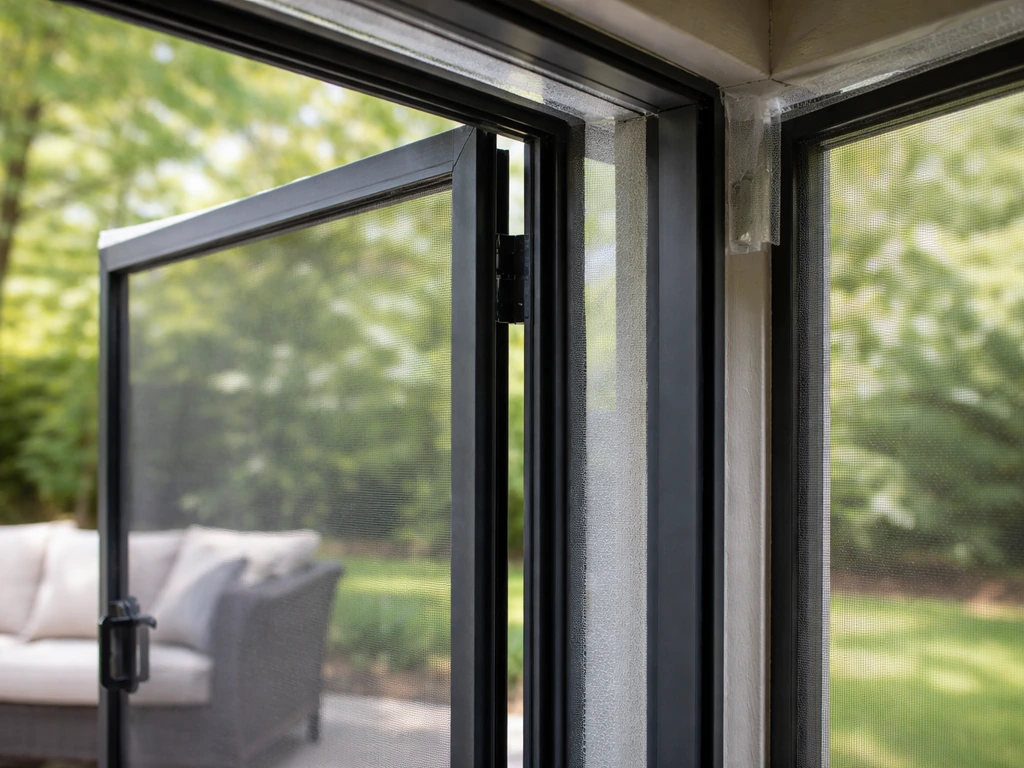
Figure out which bugs you're actually dealing with
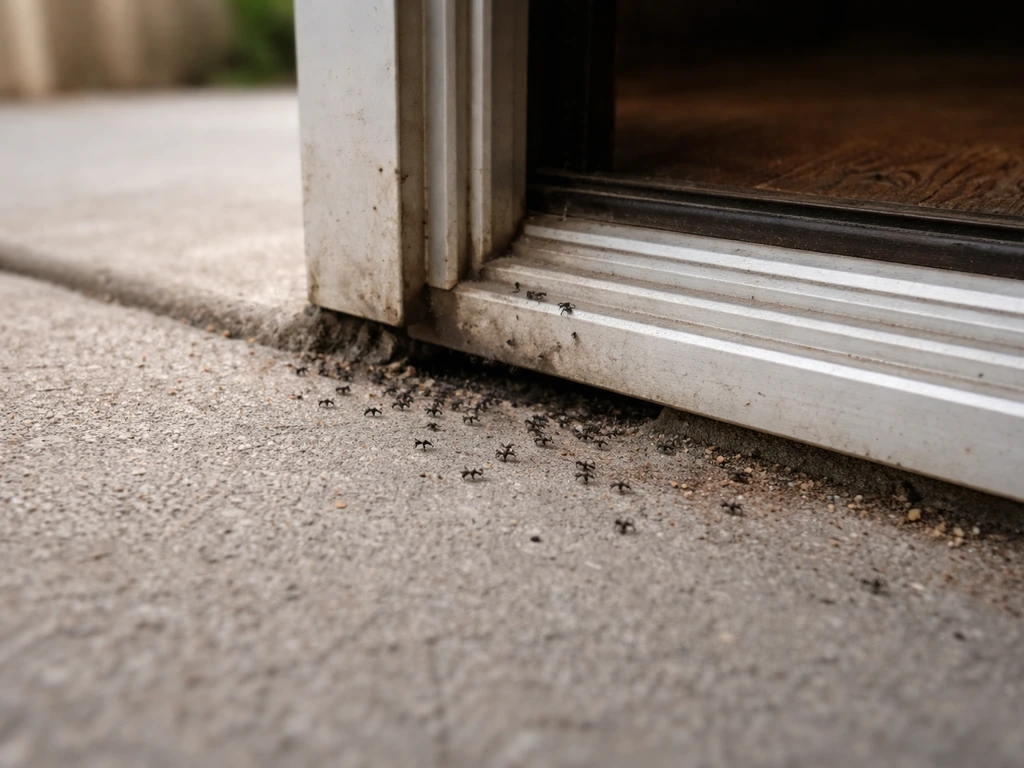
Before you buy anything or patch anything, spend five minutes identifying what's actually invading your patio. The fix for mosquitoes is completely different from the fix for ants or fungus gnats, and treating the wrong problem wastes time and money.
Here's a quick field guide to the most common patio offenders and what they tell you about the source of the problem:
| Bug | Size/Look | What it tells you | Where to start |
|---|---|---|---|
| Mosquitoes | Slender, 1/4 inch, buzzing near skin | Standing water nearby (even a bottle cap's worth) | Remove/empty water sources within 20 feet |
| Fruit flies | ~1/8 inch, tan, red eyes | Decaying organic matter: fruit, recycling, compost | Remove food waste and scrub bins |
| Fungus gnats | Small, mosquito-like, hover near plants | Overwatered potted plants or moist organic material | Let soil dry out between waterings |
| House flies | Large, gray, buzzing around food/garbage | Food residue, pet waste, open garbage | Clean surfaces, close lids, residual spray |
| Ants | Tiny, trail-forming | Food crumbs, sweet spills, or entry gaps in structure | Seal gaps, remove food, bait trails |
| Wasps/yellow jackets | Yellow and black, 1/2–3/4 inch | Nesting nearby, attracted to sweet drinks and food | Locate and treat nests, cover food/drinks |
If you're still unsure, resources from Penn State Extension and University of Maryland Extension offer detailed identification guides that use size, color, and location to distinguish between pests. Getting the ID right first makes everything else more effective. Penn State Extension also stresses that proper insect identification is an essential first step before managing pests around the home.
Seal entry points and close up any gaps
Even a well-screened patio lets bugs in if there are gaps around the door frame, torn weatherstripping, or a quarter-inch space under the door sweep. Insects don't need much room. Start your inspection at these common failure points and seal them before anything else.
Where to inspect first
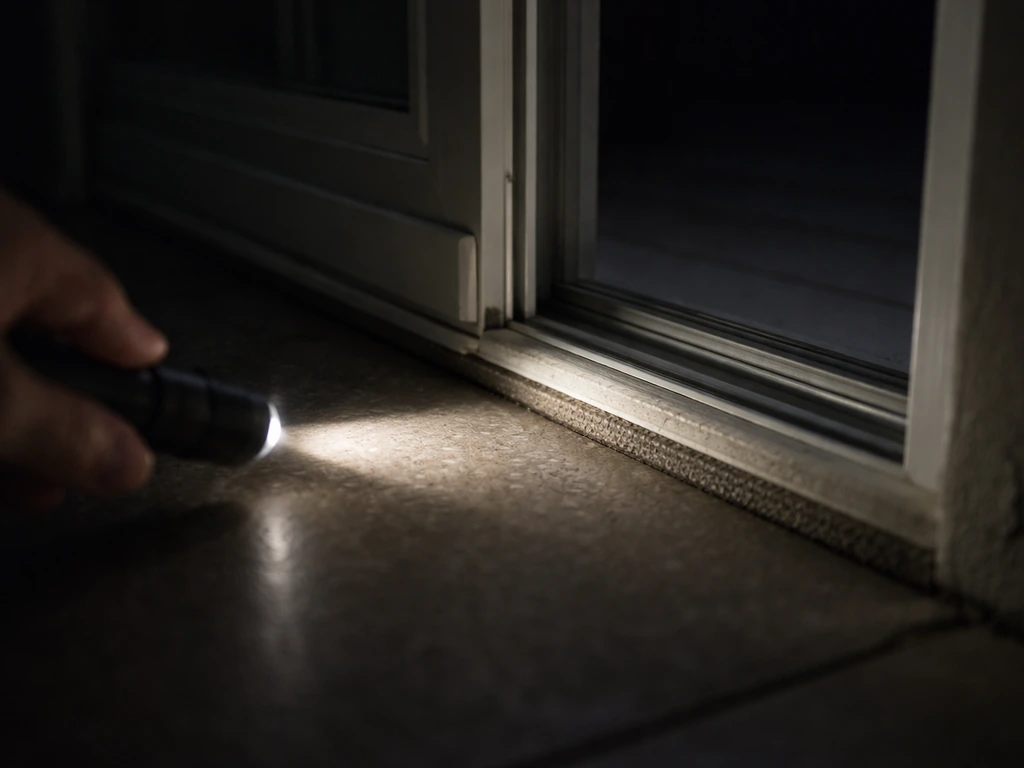
- Bottom of every patio door: hold a flashlight close to the floor at night and look for light passing under the door
- Door frame corners and side edges: press weatherstripping with your finger and check if it's still soft and compressing, or stiff and cracked
- Where screen frames meet the track or channel: look for bent corners or separation from the frame
- Where walls meet the concrete slab or decking: insects, especially ants, walk straight in through these cracks
- Ceiling and soffit penetrations: pipes, electrical conduit, and light fixture boxes often have gaps behind them
- Screen tears, holes larger than a pinhole, and loose spline along screen edges
Weatherstripping the door frame
Replace any weatherstripping that has hardened, cracked, or compressed flat. The U.S. Department of Energy notes that weatherstripping around doors and windows can help reduce air leakage, which supports sealing gaps around patio doors to limit insect entry routes. Foam tape is the cheapest option but wears out in a season or two. V-strip (tension seal) and EPDM rubber are more durable choices. The Department of Energy's guidance on weatherstripping is clear on one key point: the seal should compress firmly when the door closes but still allow the door to open freely without dragging. If it binds, the strip is too thick. If you can still feel air, it's too thin.
Installing a pest-control door sweep
A standard door sweep blocks most things, but if ants or small flies are still getting under the door, a pest-specific sweep (like the Xcluder brand) fills the gap more completely. These typically mount to the interior face of the door bottom with screws and use a combination of brush seal and solid barrier. The critical step is positioning: the sweep should make contact with the threshold across its full width with no bow in the middle. Measure the door width before you buy, and check whether your door bottom has a kerf cut that requires a specific sweep type rather than a surface-mount version.
For cracks in concrete where ants march in, use exterior-grade silicone caulk. For larger structural gaps between a wood frame and the slab, use foam backer rod first, then seal over it with caulk. This combination fills the void without burning through a whole tube of caulk on a single gap.
Screens, netting, and barrier upgrades that actually keep bugs out

If you have a screened patio or enclosure, the screen mesh is your primary bug barrier. If you have an open patio, adding even a partial screen system or hanging patio netting over a seating area can cut bug exposure dramatically.
Choosing the right mesh size
Standard window screen is 18x16 mesh (18 threads per inch horizontally by 16 vertically). This keeps out mosquitoes, flies, and most flying insects but won't stop tiny gnats and no-see-ums. For those, you need a finer mesh, typically 20x20 or higher. The tradeoff is reduced airflow, which matters more in hot climates. For most screened patio situations, 18x16 fiberglass mesh is the right balance. Aluminum mesh is more rigid and resists pet damage better, but it costs more and is harder to work with.
Repairing or replacing damaged screen panels
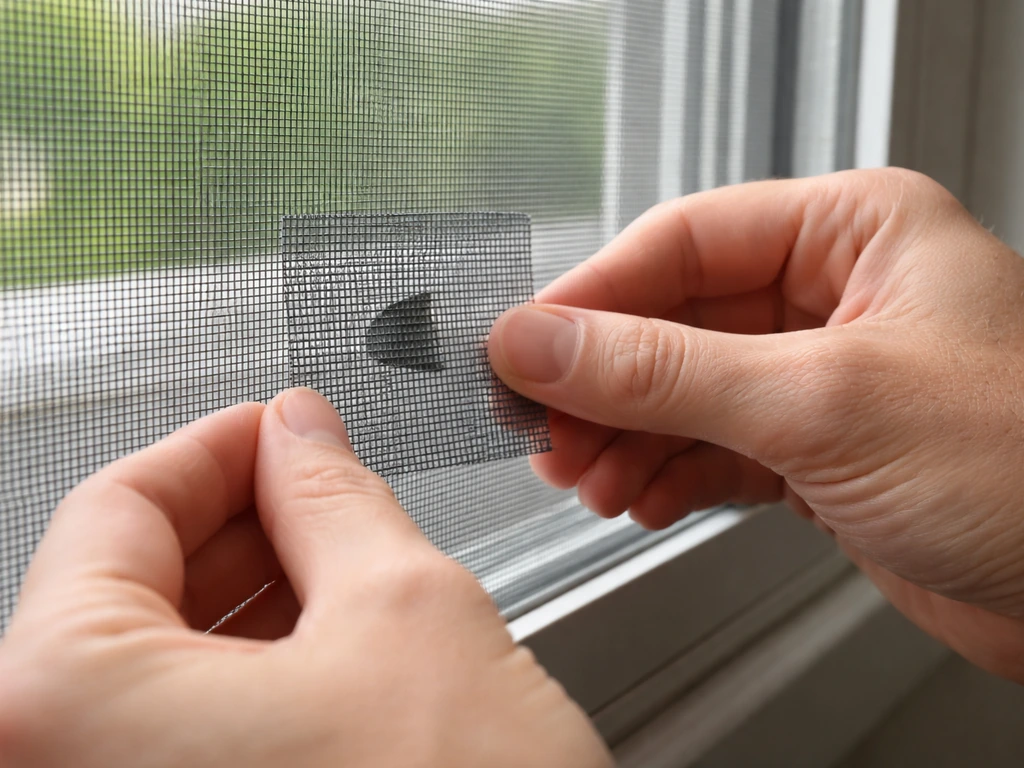
Small holes up to about an inch can be patched with a self-adhesive screen patch, but anything larger or with a bent frame warrants a full re-screen. For a DIY re-screen, unroll the new mesh and lay it over the frame with at least an inch of overhang on all sides. Use a spline roller to press the spline (the rubber cord) into the groove around the frame's perimeter, working one side at a time and keeping the mesh taut as you go. If the existing spline is still flexible and pliable, you can reuse it. If it's stiff or crumbling, replace it with new spline of the same diameter. Cut away the excess mesh with a utility knife after the spline is fully seated.
Adding screens to an open or semi-open patio
If your patio is fully open, a full enclosure gives you the best protection year-round. But if a full screen room isn't in the budget right now, portable screen tent structures (pop-up cube designs) work well for a defined seating area, and ceiling-hung mosquito netting over a dining set is an effective, low-cost barrier. If you are also trying to block rain from hitting your seating area, consider ceiling-hung covers or screened netting setups that complement the enclosure options block rain on patio. For side panels, outdoor screen curtains that attach to posts or pergola beams can block the most-used entry angles without requiring a permit or permanent structure. These are easy wins you can put up this weekend.
Ventilation and screens work together
One practical note on enclosed patios: if you upgrade to finer mesh for better bug exclusion, you need to make sure your screened vent and opening area is large enough to maintain adequate airflow. Finer mesh restricts airflow more than standard mesh. Greenhouse research on insect screening makes exactly this point: the total screened area covering ventilation openings needs to compensate for the higher resistance of finer mesh. If your enclosure feels stuffy after re-screening, adding a second vent panel or upgrading to a larger screened opening will fix it.
Remove what's attracting bugs in the first place
Sealing keeps bugs out, but attraction reduction keeps them from congregating right outside your enclosure in such numbers that every door opening becomes an invasion. This is where a lot of people do half the job and wonder why it's still not working.
Eliminate standing water for mosquitoes
Mosquitoes lay eggs directly on or near still water, and larvae live entirely in water until they become adults. The CDC's recommendation is clear: every week, empty and scrub, turn over, cover, or throw out anything around your patio that holds water. That includes flowerpot saucers, bird baths, low spots in outdoor furniture covers, kiddie pools, trash can lids, and even old shoes. You only need a bottle cap worth of standing water to support a mosquito breeding cycle. The Mississippi State Department of Health has a printable checklist of water-holding containers worth walking through room by room.
For water features you want to keep (bird baths, decorative ponds), treat them with Bacillus thuringiensis israelensis (Bti) dunks or granules. These are safe for birds, pets, and people, and they kill mosquito larvae before they can emerge.
Switch your outdoor lighting
White and blue-spectrum bulbs attract the most insects. Switching to amber-filtered LED bulbs or yellow bug-light bulbs significantly reduces insect attraction, according to research cited by Smithsonian. Beyond bulb color, try to keep light from shining upward into the sky (use downward-facing or cutoff fixtures), and consider motion-activated lights on areas you don't need lit all night. Lights placed away from your main seating area, at the edges of your property, can draw insects away from where you're sitting rather than toward you.
Food, drinks, and organic waste
Flies, fruit flies, and wasps are primarily food-motivated. Cover food and drinks when not in use, wipe down tables and chairs after every meal, and keep a tight lid on any outdoor trash or recycling. Fruit flies breed in decaying organic material, so if you have a compost bin near the patio, move it at least 20 feet away. For outdoor recycling bins, rinsing containers before tossing them makes a real difference.
Plant placement and choices
Overwatered potted plants are a common source of fungus gnats because they love moist organic matter in the soil. Let soil dry out more between waterings and check that drainage holes aren't blocked. Some plants also attract beneficial insects that prey on pest insects, like marigolds, basil, and lavender, which are worth adding to a patio garden. Conversely, large flowering plants right next to the seating area can pull bees and wasps into your space, so consider their placement thoughtfully. If wind is knocking your potted plants around, secure them with appropriate plant stands, weights, and grouping strategies so they stay upright through storms keep patio plants from blowing over.
Use fans and airflow to keep flying bugs at bay
This is one of the most underused and fastest fixes for mosquitoes and gnats on a patio. Mosquitoes are weak flyers. A consistent breeze of 2 mph or more makes it hard for them to navigate and land. Adding a ceiling fan rated for outdoor/damp use over your primary seating area and running it on medium to high is genuinely effective, not just more comfortable.
For open patios without overhead structure, a high-velocity floor fan or oscillating tower fan positioned to blow across the seating zone achieves the same effect. Aim for 1 to 2 CFM fans per 50 square feet of patio area to create enough air movement. The added benefit is that fans also disperse the CO2 you exhale, which is one of the primary ways mosquitoes locate a target.
For screened enclosures, airflow matters especially when you're running finer mesh. Position a fan to pull air through the screen from outside rather than push outward, which helps draw fresh air in without creating pressure that forces bugs through gaps. Layout-wise, seating grouped in the center of a screened enclosure is naturally farther from edge gaps than furniture pushed against the screen walls.
Targeted treatments: what to use, where, and how to stay safe
Once you've handled the structural and attractant side, targeted treatments fill in the gaps, especially for mosquitoes and ants. But products applied incorrectly waste money and can create real safety risks for kids, pets, and beneficial insects like pollinators.
Perimeter sprays for mosquitoes and flies
Residual pyrethroid sprays (products containing bifenthrin, permethrin, or lambda-cyhalothrin) applied to the underside of patio furniture, along the base of walls, around door frames, and into shrubs and ground cover near the patio are effective at reducing adult mosquito and fly populations. Apply in the evening when pollinators are less active, let it dry fully before people or pets use the area, and always read the label for re-entry intervals. These products break down relatively quickly in sunlight (a few weeks), so they need reapplication after heavy rain or every 4 to 6 weeks during peak season.
Important: the EPA does not recommend residential mosquito misting systems installed by homeowners because of the exposure risks from repeated, automated spraying of concentrated pesticides. Manual, targeted application to specific surfaces is a different and much safer scenario.
Granules for perimeter ant control
For ants entering along the slab edge or through cracks, broadcast granular insecticide (bifenthrin granules are a common choice) around the perimeter of the patio and water it in lightly. This creates a barrier ants walk through and carry back to the colony. Bait stations are even more targeted and lower-risk for pets, since the bait is contained in a station rather than broadcast in the open.
Traps for fruit flies and fungus gnats
For fruit flies and gnats that are already inside a screened enclosure, sticky traps near plant areas and apple cider vinegar traps (a jar with a few tablespoons of vinegar and a drop of dish soap) catch adults efficiently. These aren't enough on their own if the source isn't removed, but they're a useful supplement while you're hunting down where the breeding is happening.
What to skip
The EPA does not register electronic sound-wave repellent devices, which means there is no verified data that they work. Citronella candles help marginally in very still air but do almost nothing in any breeze. Save your money and apply it to better screening or a good ceiling fan instead.
A seasonal bug-proofing schedule to keep the pressure off year-round
Bug-proofing isn't a one-time project. Seasonal maintenance is what keeps it working after the initial fix-up. Here's how to think about it through the year:
| Season | Priority Tasks |
|---|---|
| Spring (March–May) | Inspect all screen panels and repair any winter damage; replace cracked weatherstripping; clear gutters and check for new standing water sources; apply first perimeter spray treatment before mosquito season peaks |
| Summer (June–August) | Weekly standing water check and empty; reapply perimeter spray every 4–6 weeks or after heavy rain; run fans consistently; switch to amber bulbs if not already done; monitor for ant trails and treat early |
| Fall (September–November) | Deep-clean patio furniture and surfaces to remove organic residue; check and reseal caulk around the slab edge and door frames; remove decomposing plant debris from pots and gutters; assess if any screen needs re-screening before next spring |
| Winter (December–February) | Inspect screen frames for warping or loosening spline in cold climates; store any water-holding decor that could collect winter rain or snowmelt; check door sweeps for cold-air infiltration (same gaps let bugs in come spring) |
Staying ahead of the season is the difference between a patio that's comfortable by Memorial Day and one you're still fighting mosquitoes on in August. The spring walk-through is the most important: spend 30 minutes in March going through every point on the inspection list before the bugs are already hatching.
Your action plan starting today
If you're reading this because you want results this weekend, here's the prioritized order to work through based on your patio type:
Open patio (no screens)
- This weekend: remove all standing water within 20 feet, switch to amber bulbs, add a fan over the seating area
- Next weekend: install patio screen curtains or a pop-up screen tent over the primary seating zone
- Within a month: apply perimeter spray along the slab edge and under furniture; place ant bait stations at entry points
- Ongoing: weekly water check, monthly spray reapplication during bug season
Screened patio or enclosure
- This weekend: walk every panel looking for holes, loose spline, and frame gaps; patch or re-screen damaged sections; inspect and upgrade door sweeps and weatherstripping
- Same day: do the standing water sweep; remove any food/organic waste inside the enclosure
- Next weekend: seal slab-edge cracks with caulk; check ceiling and soffit penetrations; install ceiling fan if none exists
- Within a month: apply residual spray to the perimeter outside the enclosure; treat any water features with Bti dunks
- Ongoing: seasonal inspection schedule above
The biggest mistake people make is spending money on sprays and traps while leaving the standing water in a flowerpot saucer two feet away, or having a perfectly screened room with a gap under the door big enough to drive ants through. Fix the structural stuff and remove the attractants first. Everything else is supplemental. When planning fire pit safety, focus on keeping the surrounding area clear of combustibles and using a heat-resistant barrier so the flames do not ignite nearby materials how do i protect my patio from a fire pit. Once those two layers are solid, your patio becomes a genuinely comfortable outdoor room instead of a seasonal battle. In addition to keeping bugs out, focus on water management by redirecting runoff, sealing patio cracks, and adding coverings or awnings so rain can't get in stop rain coming into your patio.
FAQ
What is the fastest way to tell whether I have a gap problem or an attraction problem on my patio?
Do a two-day test without any new products: first, sit near each suspected entry point (door sweep edge, screen corners, vents) and note where you see first arrivals. Second, eliminate obvious attractants within 30 minutes (cover food, dump standing water, move lights away from seating). If bug activity drops sharply after attraction changes but entries remain, your gaps are likely adequate. If bugs keep appearing at the same exact entry points, focus on sealing and screen integrity first.
How do I choose the right screen mesh if I am dealing with both mosquitoes and tiny gnats?
Use the smallest mesh you can tolerate for the enclosure, then compensate with airflow planning. If you increase to finer mesh for gnats, you may need larger or additional screened ventilation openings to avoid a stuffy enclosure. A practical approach is to measure your current screened vent area, then choose a mesh that you can pair with at least one equivalent-size extra vent or a second vent panel.
Why do I still get bugs even after I sealed gaps and replaced screens?
Most failures come from secondary entry routes that are easy to miss, like a half-open threshold, a loose fascia board over a door, a utility conduit penetration, or a torn screen gasket that only leaks when wind presses the screen. Re-check after a windy day and during the exact times you see bugs, then run your hands along seams to feel airflow.
Is weatherstripping enough, or should I also adjust the door itself?
Weatherstripping works only if the door closes evenly. If the door sags or the strike plate alignment is off, you can end up with compression in one area and a visible air gap elsewhere. Before buying thicker strips, check for even contact across the full latch line, then tighten or shim hinges if needed.
What if my door sweep does not seal because the threshold is uneven or damaged?
A standard sweep requires full contact across its width. If the threshold is crowned, cracked, or has debris, install shims or repair the threshold surface so the sweep can sit flat. For persistent uneven contact, a pest-specific sweep with a fuller contact design may help, but only after you correct the surface so it seals without bowing.
Should I use caulk in every outdoor crack, even if the crack is moving?
Not always. Silicone caulk is good for many exterior gaps, but if the crack is active or the substrate shifts, caulk can fatigue and open again. For structural separations between slab and frame, using backer rod first helps the filler accommodate depth, then the top seal provides a cleaner long-term closure.
How often should I reapply residual insecticide if I used one for mosquitoes or flies?
Follow the label reapplication timing, but expect re-treatment after heavy rain or after conditions that wash product off surfaces. A common mistake is applying once, then relying on it through the whole season even though sunlight breakdown and wash-off reduce effectiveness. If you have a lot of rainfall or a lot of foot traffic washing over treated edges, plan for more frequent checks of treated perimeter zones.
Are ant bait stations better than perimeter sprays if I have pets?
Often, yes. Bait stations keep bait contained, which reduces accidental exposure for pets compared with open granular barriers. If you do use a perimeter barrier, apply carefully only where ants travel, and keep pets and kids away until it is dry and any watering-in is complete.
What is the quickest mosquito breeding-site cleanup checklist for a patio?
Start with a room-by-room sweep for small water-holding items: flowerpot saucers, bird bath bowls, low spots under furniture covers, clogged planters, trash can lids, buckets, old shoes, and any pooled runoff in corners. Empty, scrub to remove algae, and turn or cover anything that can hold water again within a week.
What should I do with a bird bath or decorative pond I want to keep?
If it is the reason mosquitoes are breeding, treat the water instead of removing it. Use Bti dunks or granules so larvae die before adulthood. Also clean debris and keep circulation or aeration if your pond setup allows, because organic buildup can reduce treatment effectiveness.
Do ceiling fans and floor fans actually help, or is it mostly comfort?
They do more than comfort because mosquitoes struggle to fly and land in sustained airflow. For best results, position the fan so airflow crosses the seating area rather than blowing straight up at a single point, then run it at medium to high during peak biting times.
Can I rely on traps or bug zappers instead of fixing gaps?
You should treat traps as supplements, not a replacement for sealing and source removal. If gaps remain, new bugs keep entering faster than traps can catch them. Zappers can also attract and kill beneficial insects, so the most effective path is structural fixes and attraction reduction first, then add targeted traps only where breeding is already addressed.
What is the safest way to use sticky traps and vinegar traps around a patio with kids and pets?
Place traps in locations that are out of reach, like near but behind furniture legs, or inside a small covered holder that still allows airflow and catches insects while preventing contact. Also avoid placing sticky cards where curious pets or children can touch them, and keep traps away from food prep surfaces.
Will switching porch lights to amber or yellow LEDs always solve the lighting-related bug problem?
It reduces attraction, but it does not eliminate it, especially if you still have standing water or open entry gaps. Aim for cutoff or downward-facing fixtures to prevent upward light spill. If you keep outdoor lighting on all night, consider motion-activated or timer-based schedules so the light is only on when you are actually using the patio.
How do I avoid making my screened enclosure stuffy after switching to finer mesh?
After upgrading mesh, verify your vent and opening sizes. If the enclosure feels stale, add a second screened vent panel or increase the screened opening area so total airflow capacity compensates for the added restriction from finer mesh. A simple diagnostic is to compare indoor and outdoor breeze feel, then adjust vent placement rather than removing mesh.
What should I do first on a weekend if I want results fast?
Do the non-negotiables first: remove standing water within a few feet of seating, cover food and trash, then fix the most likely entry gaps (door sweep contact, weatherstripping compression, screen tears or loose spline). Only after those steps should you add targeted treatments, because sprays and traps tend to underperform when bugs can still enter and breed nearby.
Can wind direction affect where bugs enter my patio?
Yes. Wind can press screens and doors differently, widening gaps temporarily and pushing insects through weak points. If you notice activity spikes during gusts, inspect seals under windy conditions and check screen corner tension and door threshold contact, then re-seat spline if the screen shifts.
Next Articles

How to Decorate a Long Narrow Patio: Layout Tips
Practical DIY layout and decor tips to widen a long narrow patio using zoning, furniture spacing, lighting, greenery, an

How to Decorate a Rectangular Patio Step by Step
Step-by-step plan to decorate a rectangular patio with smart layout, zones, furniture fit, lighting, plants, and seasona
How to Decorate a Patio Wall: DIY Ideas and Mounting Tips
DIY patio wall decor for brick, stucco, wood, concrete, or siding with weatherproof mounting tips and maintenance.