You can decorate an apartment patio today by starting with a 10-minute assessment of your space, then layering in weatherproof furniture, outdoor lighting, container plants, and renter-friendly privacy solutions that require zero drilling. If your goal is to brighten up a patio, consider swapping in weatherproof outdoor lighting and light-reflecting textiles early, then layer in plants and renter-friendly privacy options afterward. Once you have the basics in place, follow a simple plan for how to decorate patio spaces so everything looks cohesive and stays renter-friendly. The key is working with your patio's real constraints (size, sun exposure, wind, and your lease) rather than copying indoor decorating logic onto an outdoor space.
How to Decorate an Apartment Patio: DIY Steps

Felix Brennan
18 May 2026
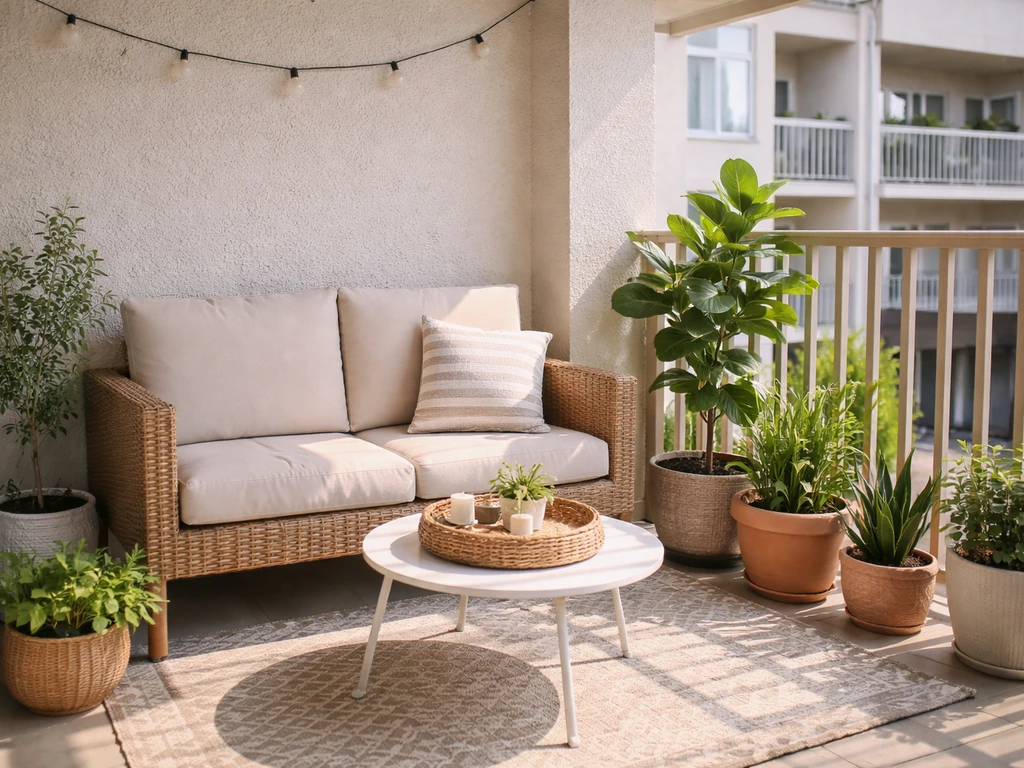
Start with a quick patio assessment
Before you buy anything, spend 10 minutes walking through these five checks. They'll save you from buying furniture that won't fit, decor that blows away, or accessories that cost you your security deposit.
Space
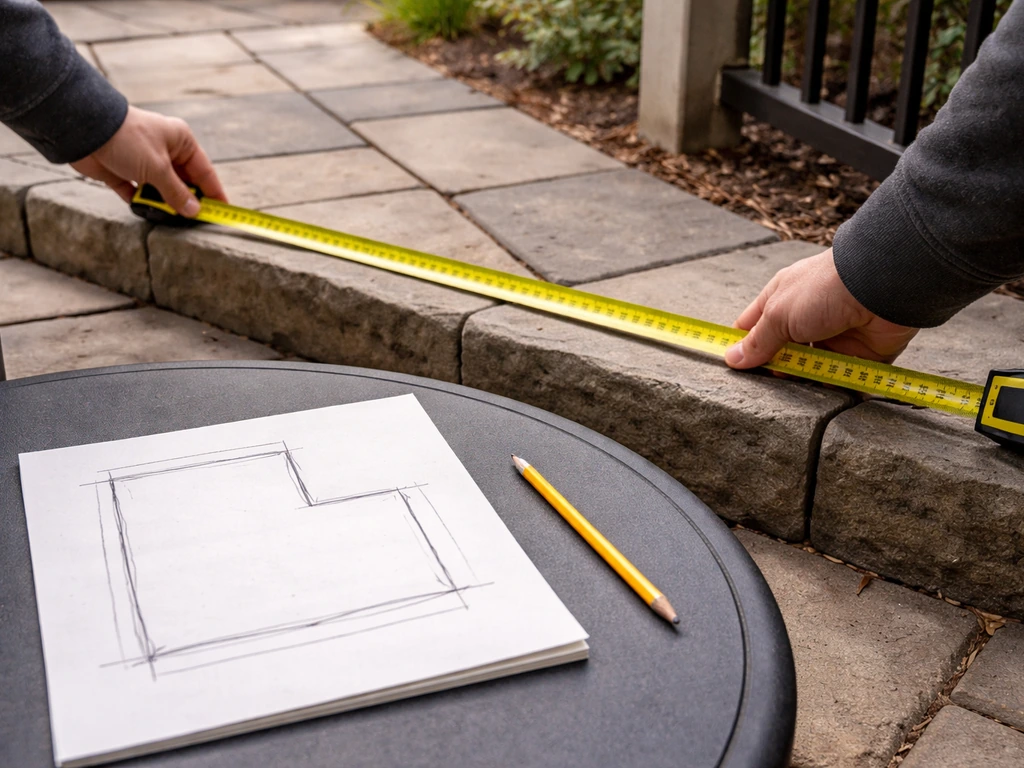
Measure your patio in feet, both length and width. Note any awkward angles, sliding door clearances, or railing interruptions. Most apartment patios run between 40 and 80 square feet, which means every piece of furniture needs to pull double duty. Sketch a rough floor plan on paper (or use your phone's notes app) before you shop.
Light and wind
Check your patio at the time of day you'll actually use it. Note whether it gets direct sun, full shade, or a mix. Sun exposure determines which plants will survive and which cushion fabrics will fade fastest. Wind matters just as much: if you're on an upper floor or face an open corridor, you're dealing with channeled gusts that can flip chairs, send rugs flying, and wear out fabric much faster. A simple way to gauge it: if items on your patio regularly shift or tip when you're not there, you're likely dealing with Beaufort scale 4 or above, which means anchoring everything is non-negotiable.
Privacy
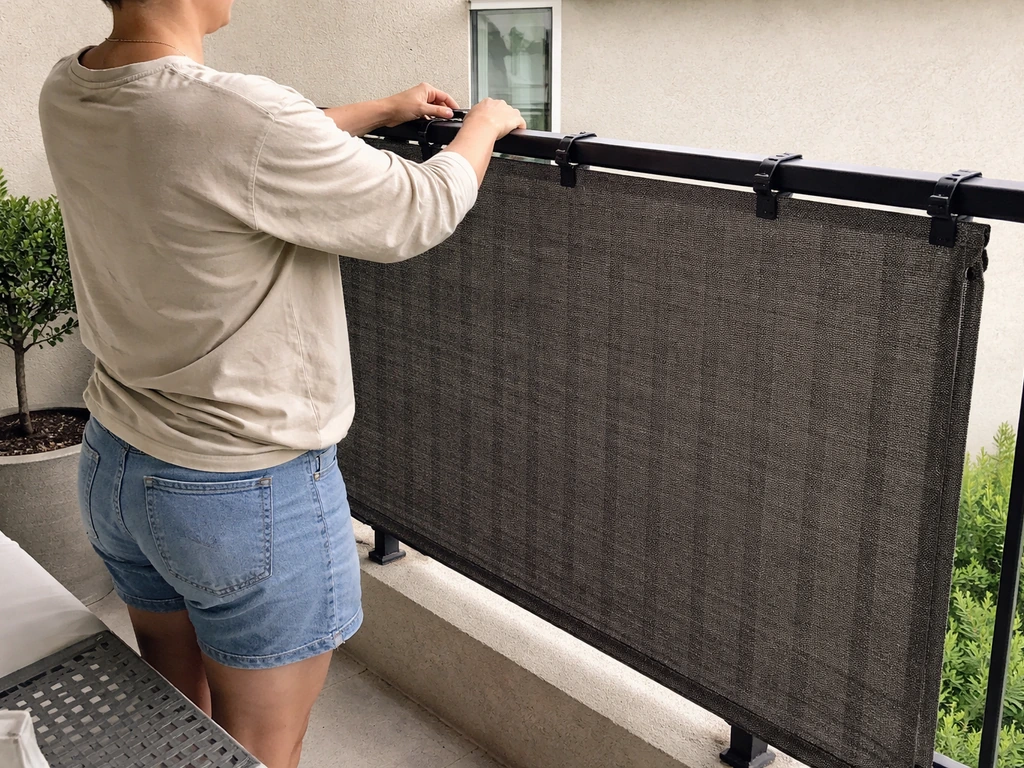
Stand on your patio and note sight lines: neighbors above, below, or directly across. This tells you whether you need vertical screening (above railing height), horizontal coverage (across the width), or both. This also helps you decide between planters, curtains, or a privacy screen panel as your first purchase.
Landlord limits
Read your lease before you hang, mount, or install anything. Common violations that trigger security-deposit deductions include drilling into exterior surfaces, painting walls, permanently attaching items to railings, and installing privacy screens without approval. Some landlords also require that outdoor items be secured to prevent wind hazards, which is actually a good rule to follow regardless. When in doubt, email your landlord and keep the written response. If the lease doesn't cover something specific, get written permission before proceeding.
Pick a style and layout that works in a small outdoor space
Trying to do too many styles at once is the fastest way to make a small patio feel cluttered. If you also want to know how to decorate patio on a budget, stick to a simple layout and choose a few high-impact pieces you can reuse season after season small patio. Choose one anchor aesthetic and build around it. If you are wondering how to style outdoor patio areas in your exact layout, use your anchor aesthetic as the starting point and let every piece support that look. Here are three that translate well to apartment patios:
- Urban jungle: lush container plants, black metal accents, dark rugs, and warm Edison-style lighting. Works well in shaded or partly shaded north/east-facing patios.
- Mediterranean casual: terracotta planters, mosaic or woven textiles, white or warm-toned furniture, and string lights. Great for sun-drenched south or west-facing patios.
- Minimalist outdoor room: neutral weatherproof furniture, one or two quality plants, clean-lined lanterns, and a solid-color rug. Best if your space is under 50 square feet and you want it to feel larger.
For layout, start with the seating zone first and work outward. On most apartment patios, a bistro table with two chairs or a small loveseat with a side table covers 80% of what people actually use. Leave at least 18 inches between furniture and the railing for comfortable movement and safety. Put taller elements (plants, privacy screens, vertical planters) against walls or railings to preserve floor space. Keep the path to your sliding door completely clear.
Weatherproof decor basics: materials, colors, anchoring, and safety
Outdoor decor fails fast when people buy indoor items and hope for the best. Here's what actually holds up and what to skip.
| Material | Best for | Watch out for |
|---|---|---|
| Powder-coated steel or aluminum | Frames, tables, chairs | Chips in the coating let rust in; touch up scratches quickly |
| Teak or acacia wood | Tables, benches | Needs annual oiling in humid or dry climates to prevent cracking |
| Resin wicker (all-weather) | Sofas, chairs | UV can yellow cheaper grades; look for HDPE-based wicker |
| Concrete or stone | Planters, accent tables | Heavy (good for wind resistance), but check weight limits on upper-floor patios |
| Polypropylene fabric | Rugs, outdoor pillows | Lower cost, but fades faster than solution-dyed acrylic |
| Solution-dyed acrylic (e.g., Sunbrella) | Cushions, curtains | Higher upfront cost, but resists UV, mold, mildew, and staining |
For colors, darker saturated tones (navy, forest green, terracotta) tend to hide dirt and pollen better than whites and light grays, but they absorb more heat in full sun. If your patio bakes in afternoon sun, lighter neutrals on large surfaces (rugs, cushions) will stay cooler to the touch.
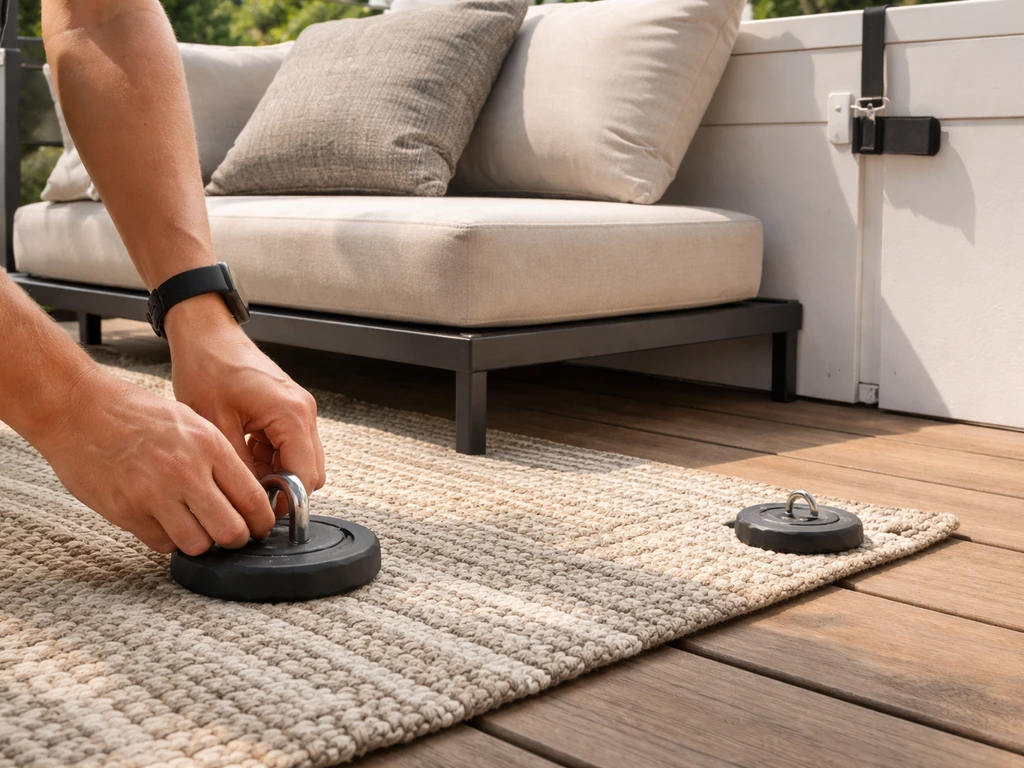
Anchoring is not optional if you have any wind exposure at all. Use outdoor rug grippers or non-slip pads under every rug (rugs can actually become a safety hazard if they flip or fly). Outdoor rug blow-away guidance emphasizes anchoring and safety, so use outdoor rug grippers or non-slip pads under every rug to reduce the risk of it flipping or flying in wind. Keep lightweight decor items like candles and small lanterns on low surfaces or in weighted holders. Any freestanding furniture should be heavy enough or tethered enough that a 20-mph gust won't knock it over.
Seating, cushions, and textiles that actually hold up
The seating is the centerpiece of your patio, so it's worth spending a little more here and cutting costs elsewhere. For most apartment patios, the best starting setup is either a bistro table set (ideal for eating or working outside) or a two-seat loveseat with a small coffee table or side table (better for lounging). Stackable chairs are a smart pick if you sometimes need to reclaim the space.
For cushions, solution-dyed acrylic fabrics like Sunbrella are genuinely worth the price premium. They resist UV fading, mold, mildew, and staining, and you can clean mildew off with a diluted bleach-and-water solution without damaging the fabric. Cheaper polyester cushion covers will lose their color in one or two seasons in direct sun. Whatever fabric you choose, bring cushions indoors (or store them in a sealed bin) when you're not using them, especially during extended rain or winter. Foam cores trap moisture and break down fast when left wet outdoors.
Outdoor rugs add warmth and define the seating zone visually, but they need to be anchored properly. Use rug grippers (rubber or non-slip mesh pads) under the full surface area, not just corners. On windy patios, you may also want to use rug anchor tape along the edges. Choose a flat-weave polypropylene rug for the easiest cleaning (just hose it off) and fastest drying. Avoid rugs with thick pile or foam backing, as they trap water and grow mold.
Throw pillows and outdoor blankets are the easiest way to introduce color and softness, but stick to covers labeled as outdoor or UV-resistant. Swap them seasonally to keep the look fresh without buying new furniture.
Lighting and ambiance that's safe and renter-friendly
Good lighting transforms a patio after dark and is often the single fastest upgrade you can make. Once you pick the right lighting method for your space and your lease, you can focus on placement and safety so the patio looks great after dark outdoor lighting. String lights are the most popular choice for apartment patios, and they work well when installed thoughtfully. The standard spacing between bulb sockets on outdoor string lights is at least 12 inches, so plan your runs accordingly. Don't daisy-chain more strands together than the manufacturer recommends, as overloading creates a fire risk.
For renters who can't drill into walls or ceilings, the cleanest no-drill options are heavy-duty tension-rod setups between two solid surfaces, clamp-on railing brackets with vertical poles, or freestanding light poles with weighted bases. Some people also run string lights along the top rail of their patio railing using cable clips, which removes the need for any wall anchors at all.
Power safety matters outdoors. Always plug patio lighting into a GFCI-protected outlet (most outdoor outlets already have this, but check for the test/reset button). If you're running an extension cord out to your patio, use one that's rated for outdoor use (look for a 'W' in the designation, like SJTW), keep it off wet surfaces and out of standing water, and never run it under a rug. A GFCI adapter plug is a cheap add-on if your outdoor outlet doesn't have built-in protection.
Beyond string lights, solar lanterns and battery-powered LED candles are completely wire-free and work well on tabletops and along railing edges. Motion-activated LED path lights are a practical addition if your patio has a step or grade change. For a layered lighting look, combine one overhead source (string lights), one table-level source (lantern or candle), and one ground-level source (solar stake lights or path lights).
Plants, planters, and vertical greenery
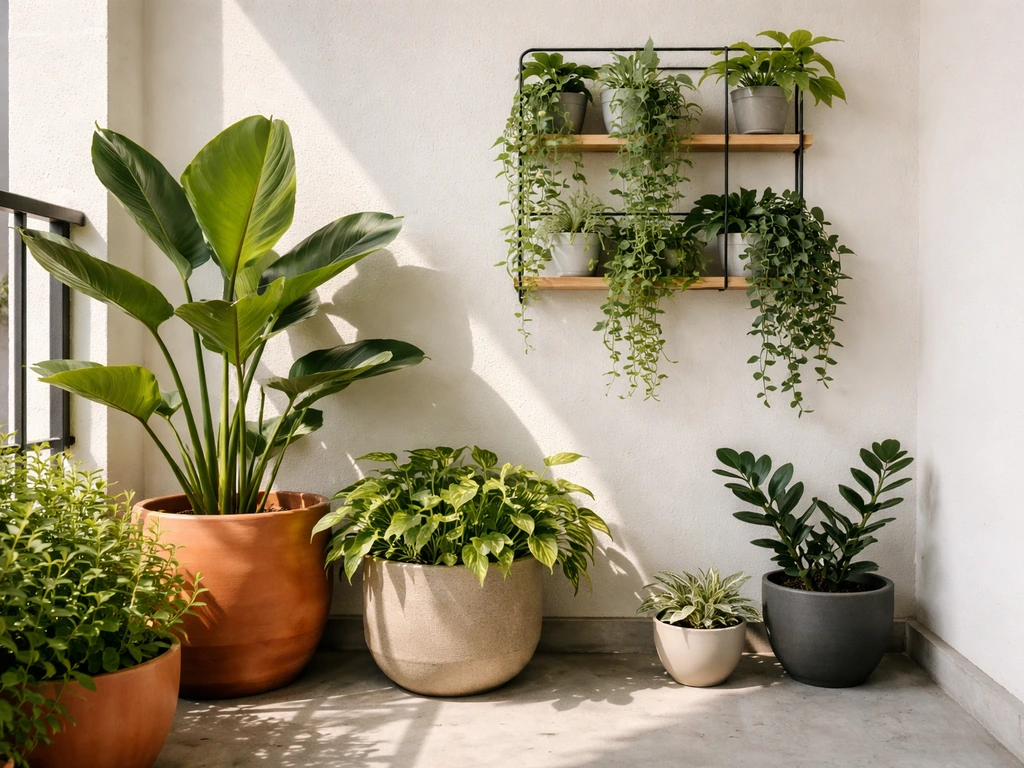
Container gardening is the standard approach for apartment patios, and it works well even in small spaces. The first decision is choosing plants that match your actual light conditions, not the ones you wish you had. For shaded or partly shaded patios, coleus, ferns, and fuchsias are reliable performers (fuchsias especially prefer indirect light and struggle in direct afternoon heat). For full-sun patios, go with drought-tolerant options like succulents, lavender, lantana, and ornamental grasses that can handle heat and dry soil between waterings.
Container material matters more than most people realize. Metal pots heat up fast in direct sun and can literally cook roots on a south-facing balcony in summer. Fiberglass or high-quality UV-resistant resin planters are a better choice for full-sun spots. Terracotta is classic and breathes well, but dries out faster and can crack in freeze-thaw cycles if left outdoors over winter. For upper-floor patios, also check your building's weight limits before loading up with large concrete or stone planters.
When you water container plants, soak thoroughly until water drains from the bottom rather than just wetting the surface. Containers dry out faster than in-ground plants, especially in wind and heat.
To add vertical interest and privacy without eating up floor space, use railing-mounted planter boxes that clamp directly onto the railing with no drilling required. Hang a vertical wall planter (many use over-the-rail or tension-mounted systems) for herbs or trailing plants. A tall bamboo or ornamental grass in a heavy floor planter can serve double duty as a privacy screen and a style anchor.
Apartment-friendly privacy, rail decor, and storage
Privacy is usually the biggest functional gap on an apartment patio, and there are several good no-drill approaches depending on your layout. Bamboo or reed roll fencing can be zip-tied or wired to railings without drilling and softens sight lines quickly. Freestanding privacy screen panels with weighted or clamped bases work well on wider patios. Outdoor curtains hung from a tension rod between two walls or posts give you adjustable privacy that you can open when you want light and close when you want seclusion.
For railing decor, over-the-rail hooks and clamp-style holders let you hang planters, lanterns, or small baskets without any damage to the railing surface. Suction-cup systems work only on very smooth, clean surfaces and aren't reliable outdoors for anything heavy. When hanging planters over a railing, always test stability and make sure there's no risk of the planter tipping outward, especially on upper floors.
Storage on a small patio has to be clever. An outdoor storage bench (weatherproof resin or teak) serves as seating and hides cushions, tools, or gardening supplies underneath. A small side table with a lower shelf doubles as a surface and a storage spot for potted herbs or a lantern. Stackable bins or weatherproof baskets tucked in a corner keep the space from feeling cluttered. The goal is to avoid anything that sits on the floor and collects leaves, dirt, and moisture underneath it.
Wall decor is an area where renters need to be especially careful. Command strip-compatible outdoor hooks and over-the-rail hangers let you display a simple metal sign, a small mirror rated for outdoor use, or an outdoor-safe piece of wall art without risking your deposit. Avoid heavy framed pieces or anything that needs a wall anchor unless you have explicit written permission from your landlord.
Seasonal refresh plan and your next steps
One of the best things about a well-set-up apartment patio is that it doesn't take much to keep it looking good year-round. Here's a simple seasonal rhythm to follow:
| Season | Main tasks |
|---|---|
| Spring (setup) | Deep clean all surfaces, replace or reintroduce cushions, check lighting strands, swap in new plants, secure rugs |
| Summer (maintain) | Water containers regularly, wipe down furniture weekly, reapply UV protectant on exposed wood, rotate pillows if sun-bleaching |
| Fall (prep) | Bring cushions and textiles indoors or store in a sealed weather-resistant bin, protect planters from freeze-thaw damage, add a throw blanket for cooler evenings |
| Winter (protect) | Cover furniture with breathable weather-resistant covers, move lightweight items indoors, check anchoring on anything left outside |
If you're just starting out, tackle the projects in this order: assess your space and read your lease (today, free), add a rug and anchor it (this weekend, under $60), set up seating (week one), add lighting (week two), bring in plants (week three), and then layer in privacy solutions and storage as you figure out what you actually need. This order matters because seating and lighting will immediately change how you use the space, while privacy and storage needs often become clear only once you've spent time out there.
If you want to take the patio further, the natural upgrades from here are adding shade (a cantilever umbrella or shade sail works without drilling in most setups) and wind protection (a partial screen or windbreak panel). Both of those improvements also make your existing decor last longer by reducing UV exposure and wind stress on fabric and furniture. For specific ideas on lighting approaches, budget-friendly decoration swaps, or getting your patio dressed up for a particular season or occasion, those are all worth exploring as separate focused projects once your baseline setup is solid. If you want a quick boost, use the same weatherproof basics to learn how to dress up patio spaces for events and everyday comfort. For a holiday-specific look, you can build on your baseline setup with festive outdoor accents that match the weather and your lease rules how to decorate a patio for christmas.
FAQ
How do I decorate a patio if I have almost no floor space (around a small balcony)?
Use a “vertical first” approach: choose a compact bistro set or a two-seat loveseat, then add railing-mounted planters and one freestanding privacy panel. Pick a flat-weave rug sized for the seating zone, keep the walkway to your door clear, and avoid tall furniture that blocks door access or creates tight turns.
What’s the safest way to anchor an outdoor rug if my patio gets windy or windy gusts from a corridor?
Anchor the entire rug surface, not just corners, with rug grippers or non-slip mesh pads. If gusts are strong, add rug anchor tape along the rug edges and choose a flat-weave polypropylene style that dries quickly, so it doesn’t stay damp after rain.
Can I use string lights even if my lease prohibits mounting or drilling?
Yes, focus on no-drill methods like cable clips on the top rail, clamp-on brackets, or a weighted freestanding light pole. Run cords inside a drip loop, keep plugs and connections off damp surfaces, and avoid daisy-chaining beyond the manufacturer’s maximum strand limit.
How bright should patio lighting be, and what setup works best for apartment patios?
Plan for layered lighting: one overhead-style source for ambience (string lights), one table-level light (solar lantern or LED candle), and one ground-level option (solar path lights if you have steps). Use warm white bulbs for a cozy look, and position lights so they don’t shine directly into neighbors’ windows.
What should I do if my privacy solution blocks too much light on a small patio?
Choose semi-sheer or adjustable privacy: outdoor curtains on a tension rod (you can open when you want sun) or a narrower screen that only covers your key sight lines. Pair it with lighter-colored textiles and fewer planters on the center so the patio still feels open.
Are bamboo privacy screens safe for renters, and how do I attach them without drilling?
They can be renter-friendly, but make sure they are secured with zip ties or wire to the railings in multiple points so the panel can’t slide or twist in wind. Always test stability after a gust (especially on upper floors) and avoid tying anything to decorative railing covers that might be weak.
What type of containers are best if my patio is full sun all afternoon?
For heat-heavy patios, use UV-resistant resin or fiberglass planters to prevent root “cooking,” and consider light-colored options for larger pots. Terracotta breathes but dries out faster, so you may need more frequent watering during hot weeks or use a self-watering style system.
How often should I water container plants on an apartment patio in hot weather?
Check daily during heat waves by testing the soil depth (not just the surface). Water thoroughly until it drains from the bottom, then empty any saucers if pooling water is lingering. Windy balconies dry containers quickly, so watering schedules can shift from week to week.
Can I store cushions outside overnight during rain, or should I bring them in?
Bring them in during extended rain or store them in a sealed bin, especially because foam cores trap moisture and break down faster when left wet. If you can’t bring everything in, use breathable covers and remove cushions afterward so fabric doesn’t stay damp.
What do I do if my patio furniture or decor keeps tipping or moving?
Upgrade to weighted or outdoor-rated pieces, add non-slip pads under chair legs, and secure any lightweight items like lanterns or small decor on stable low surfaces. If the area has strong wind, treat anchoring like a safety requirement rather than an optional step.
Is it okay to hang wall decor or mirrors on a patio door or nearby wall using indoor methods?
Be careful. Use only outdoor-safe, lease-friendly mounting options such as outdoor-rated, Command strip-compatible hooks, and avoid heavy frames that require anchors unless you have written approval. Also choose pieces that won’t rust outdoors and position them so they don’t collect constant moisture.
What’s a good starter shopping list that won’t waste money on a small patio?
Buy in this order: a correctly sized anchored rug, then seating, then one lighting method, then plants matched to your light level, and only afterward add privacy and storage. This prevents common mistakes like buying big planters that overheat, rugs that never dry, or privacy screens that block your door access.
Next Articles
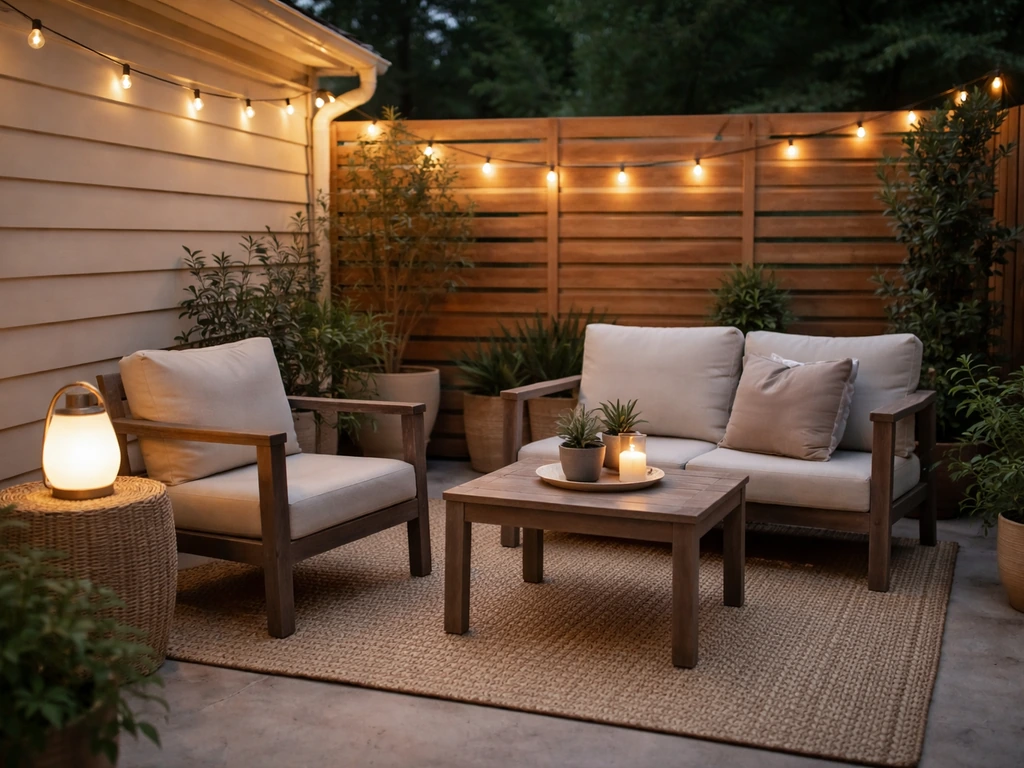
How to Decorate a Patio: Step-by-Step DIY Guide
Step-by-step DIY plan to decorate your patio: layout, style, outdoor decor, privacy, shade, lighting, and seasonal refre
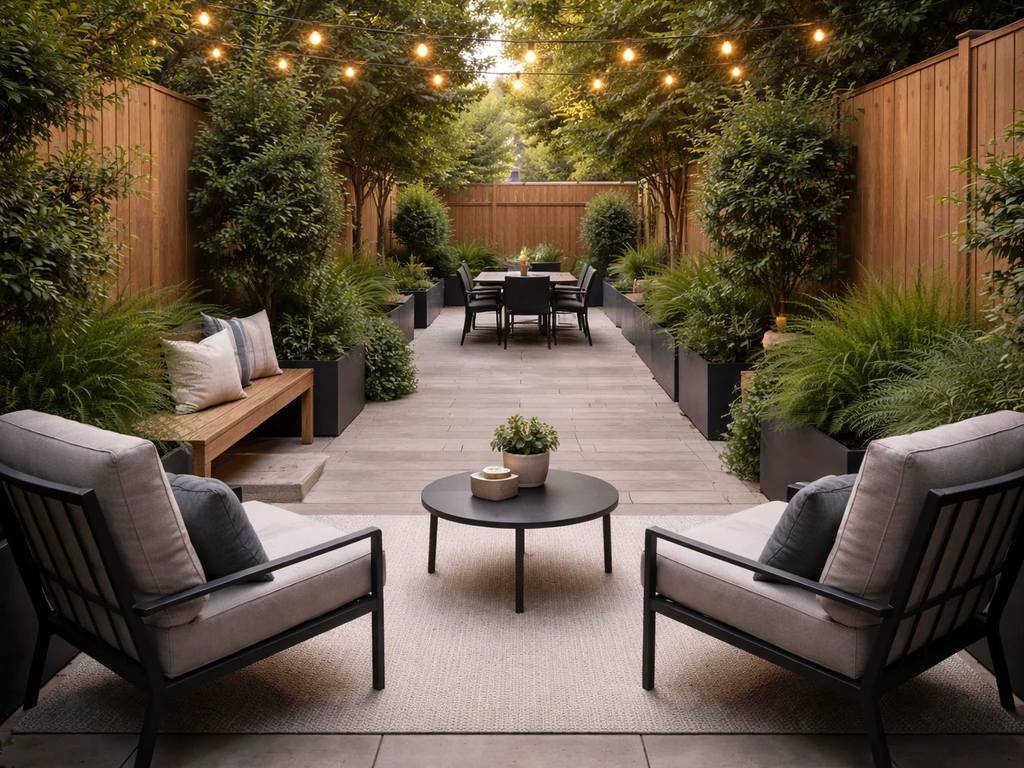
How to Decorate a Long Narrow Patio: Layout Tips
Practical DIY layout and decor tips to widen a long narrow patio using zoning, furniture spacing, lighting, greenery, an
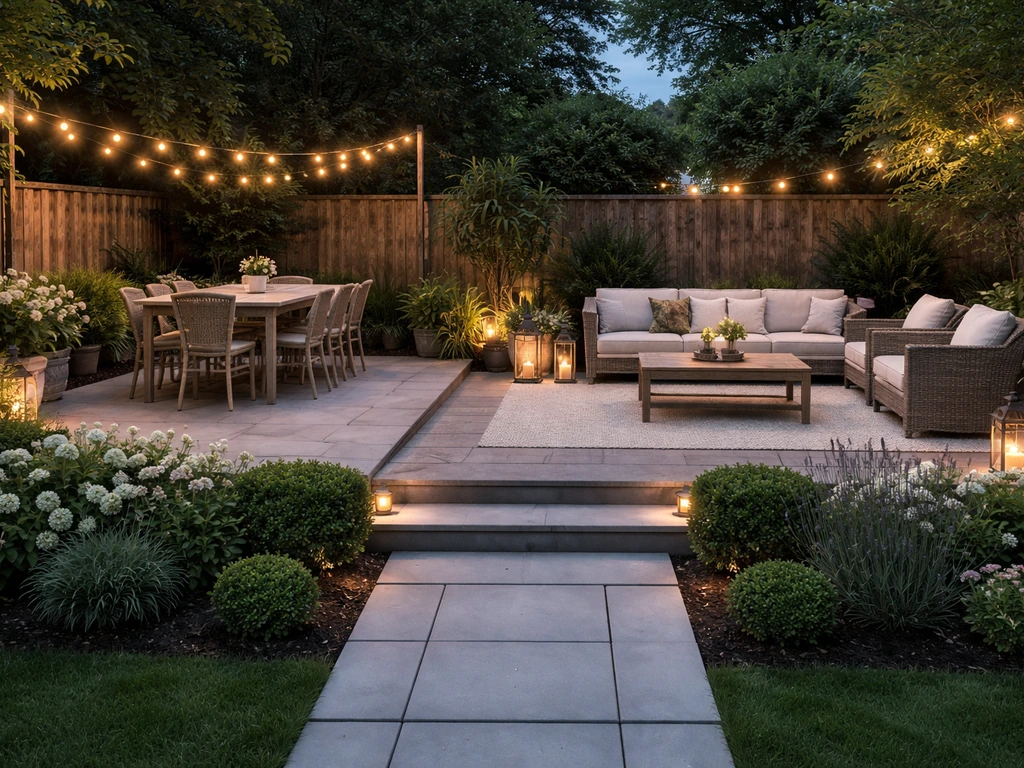
How to Decorate a Rectangular Patio Step by Step
Step-by-step plan to decorate a rectangular patio with smart layout, zones, furniture fit, lighting, plants, and seasona