Decorating a patio comes down to three things: knowing your space, picking weather-proof pieces that actually hold up, and layering in comfort so the space gets used. Start with a tape measure and a clear goal, work through layout and style choices, then add the details that make it feel finished. You can make real progress in a single weekend, even on a tight budget.
How to Decorate a Patio: Step-by-Step DIY Guide

Felix Brennan
15 May 2026
Start with your goals and your measurements
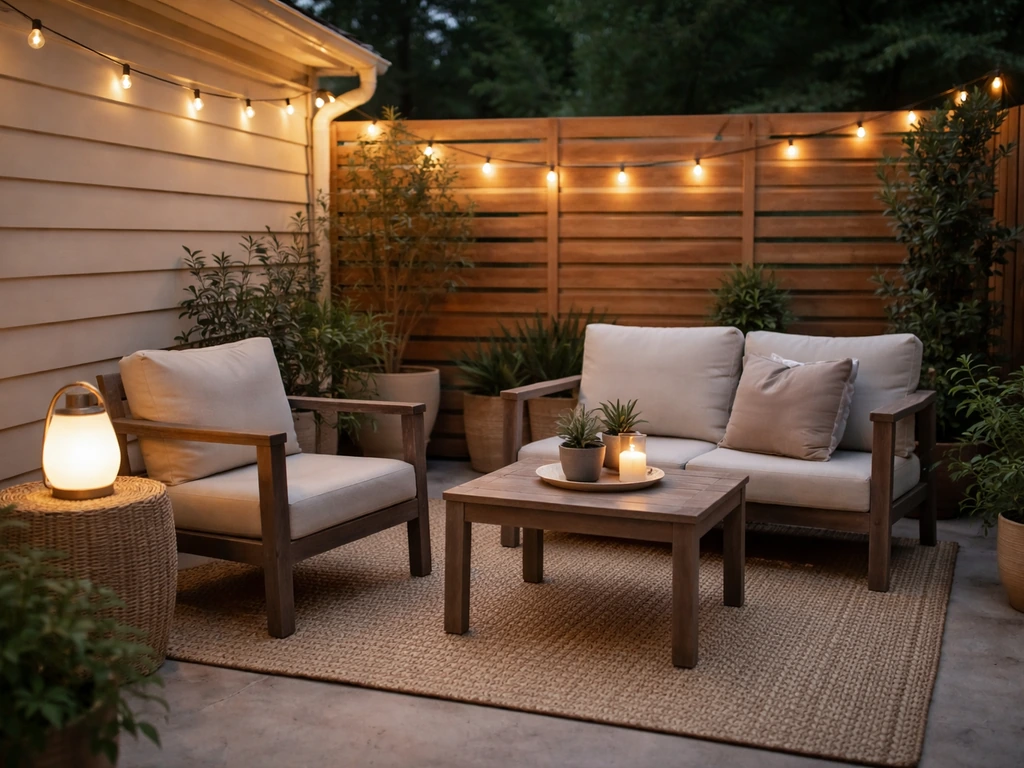
Before you buy anything, spend five minutes writing down what you actually want from the space. Do you want a place to eat dinner outside? Somewhere to sit with coffee in the morning? A spot for entertaining? Your answer shapes every decision that follows, from furniture scale to lighting to shade. A dining-focused patio needs different pieces than a lounging-and-conversation setup.
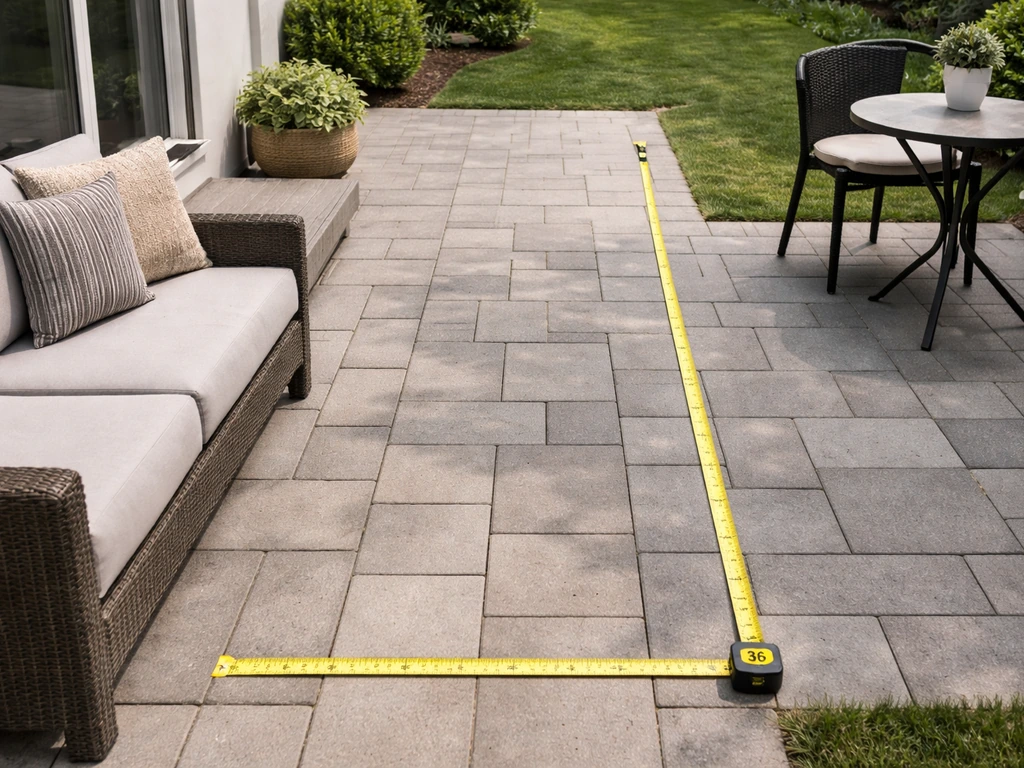
Once you have a goal, grab a tape measure. Write down the full length and width of your patio, then note any fixed obstacles: doors, steps, outlets, hose bibs, support posts. These are your non-negotiables. Also measure the clearance from any doors or sliding glass panels to the edge of the patio, because you need at least 36 inches of clear walkway to move comfortably. Knowing these numbers before you shop saves you from buying a sectional that blocks your back door or a dining set that leaves no room to pull out chairs.
Photograph the space from a few angles, including from inside looking out. This helps you see the patio the way guests (and you) actually experience it, and it makes it easier to visualize changes before you commit.
Layout planning: zones, flow, and seating
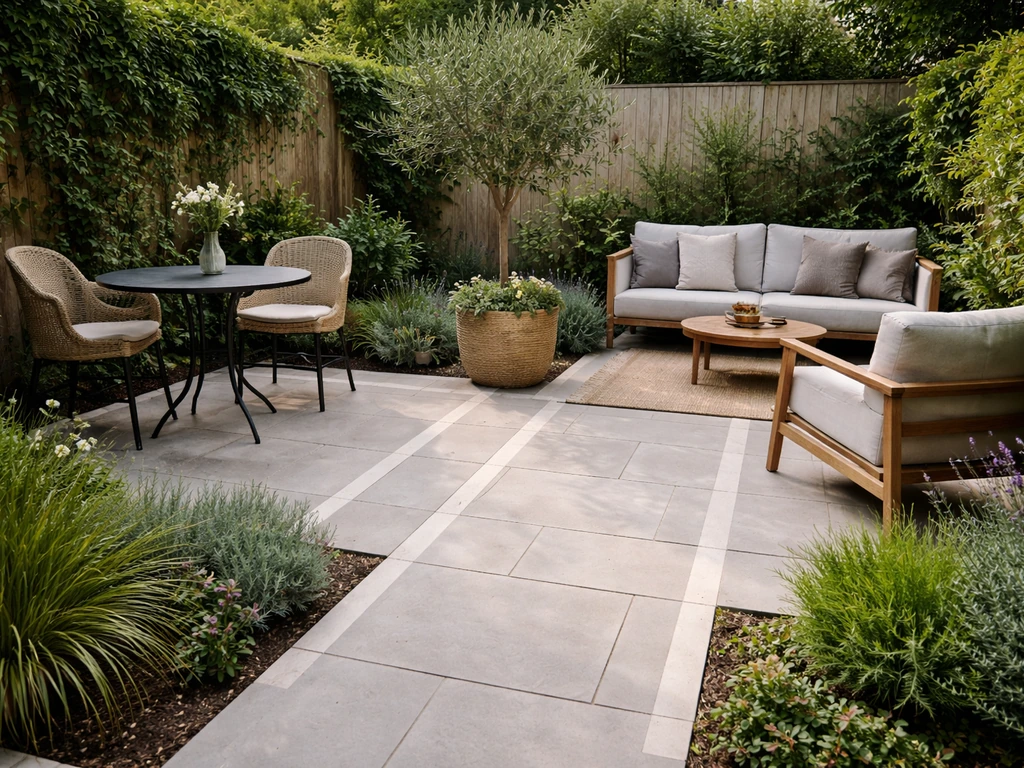
Think of your patio like a room. Even a small one can have a defined seating zone, a path through it, and a focal point that draws the eye. The most common mistake people make is pushing all the furniture against the walls, which makes a space feel like a waiting room. Floating furniture toward the center and anchoring it with a rug creates a much more inviting arrangement.
Set a focal point first
Pick one thing to build the layout around. It might be a fire pit, an outdoor dining table, a bold planter grouping, or a view. Everything else arranges itself in relation to that anchor. If you have a great view, orient seating toward it. If the view is your neighbor's fence, make the focal point something internal, like a feature wall with vertical plants or a statement outdoor mirror.
Plan your zones and traffic flow
On larger patios, divide the space into two or more zones: a dining area on one side and a lounge area on the other, for example. Keep at least 30 inches of clearance between major furniture pieces so people can move around without squeezing. For a conversation set, leave roughly 12 to 18 inches between the sofa and the coffee table so reaching a drink feels easy, not awkward. Coffee tables in the 14 to 18 inch height range work best with typical outdoor seating, and side tables in the 18 to 24 inch range are a comfortable reach from most outdoor chairs.
Keep the path from your door to the yard clear. A good rule is to reserve at least one 36-inch-wide walking lane through the patio so it never feels cluttered. If your patio wraps around the house or connects to a garden, follow that natural line rather than fighting it.
Choosing a cohesive outdoor style
You do not need a formal design theme, but you do need consistency. If you want a quick way to translate that consistency into a finished look, revisit how to style outdoor patio priorities like layout, materials, and comfort. Pick two or three colors and stick to them across cushions, pots, and accessories. Neutrals like warm white, charcoal, or natural tan work almost anywhere and make it easy to swap in accent colors seasonally. If you want something with more personality, earthy terracotta and olive green, coastal navy and white, or modern black and warm wood tones are all approachable combinations that photograph well and age gracefully.
Match materials to your climate
This is where a lot of patio makeovers go wrong. Choosing furniture and fabrics based on looks alone leads to fading cushions, rusting frames, and warped wood within a season or two. Match your material choices to your actual climate conditions.
| Material | Best for | Watch out for |
|---|---|---|
| Powder-coated aluminum | Coastal, humid, and rainy climates; resists rust completely | Can dent; look for thicker-gauge frames |
| Resin/synthetic wicker (HDPE) | All climates; designed for weather resistance | Cheaper versions fade; check for UV-stabilized resin |
| Teak | Full sun, coastal, and humid climates | Needs occasional oiling to maintain color; higher cost |
| HDPE/poly lumber | Coastal and high-humidity zones; salt-air resistant | Heavier than aluminum; limited color range |
| Solution-dyed acrylic (e.g., Sunbrella) | Full sun locations; strong UV and mold resistance | Premium price; clean regularly to prevent mildew |
For cushions and upholstery, solution-dyed acrylic fabric is the gold standard for outdoor use. The color goes all the way through the fiber during manufacturing, which is why it holds up to UV exposure far better than surface-printed fabrics. For coastal or humid areas, pair it with an aluminum or HDPE frame to avoid rust problems entirely.
The decor elements that actually transform a patio
Outdoor rugs: get the sizing right
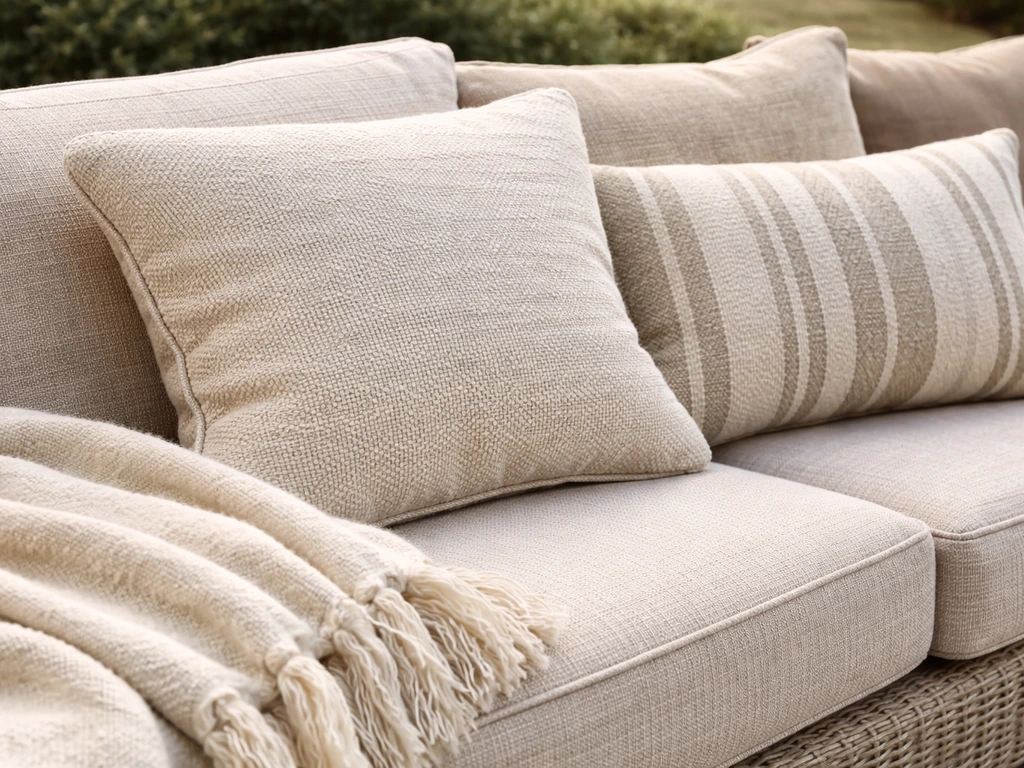
An outdoor rug is one of the fastest ways to define a seating zone and make a patio feel finished. The key is not going too small. For a small conversation set with two chairs and a loveseat or small sofa, a 5x7 or 5x8 rug is usually the minimum. For a larger lounge grouping or a sectional, step up to an 8x10. For a dining table that seats six to eight people, a 9x12 is the right call so chairs stay on the rug even when pulled out. Round rugs work nicely under square tables with chairs arranged around them.
Cushions and textiles
Cushions are where comfort and color come together. Buy the thickest outdoor cushions your budget allows (at least 3 to 4 inches of fill) and choose covers in solution-dyed acrylic or a similarly rated outdoor fabric. Add one or two outdoor throw pillows in a contrasting pattern or texture to make the seating look intentional rather than catalog-generic. Outdoor throw blankets in a weather-resistant material are a nice touch for cooler evenings.
Wall and vertical decor
Bare walls and fences make a patio feel unfinished even when the floor-level furniture is great. Use vertical space to add interest without eating into your floor area. Options include outdoor-rated metal wall art, a large weather-resistant mirror (which also bounces light and makes smaller patios feel bigger), mounted planters or a trellis with climbing plants, and string lights draped along a fence line or pergola beam. If you have a covered patio, a ceiling fan or pendant light gives the ceiling a purpose and adds a strong design moment.
Table decor and small accents
Keep the dining or coffee table simple: a low centerpiece like a lantern, a small potted succulent, or a weather-resistant bowl with river stones reads well outdoors without getting knocked over in a breeze. Candles in hurricane holders, outdoor-rated LED pillar candles, and citronella options all add ambiance and function. For side tables and surfaces, less is more, since outdoor spaces accumulate clutter fast.
Privacy, shade, and weather protection
Here is the honest truth: no amount of pretty decor will make you use your patio if it is blazing hot at 3 pm, exposed to your neighbor's yard, or gets torn apart every time the wind picks up. Solving these practical problems is what turns a decorative patio into a livable outdoor room. With the right shade, privacy, and weather protection in place, you can dress up your patio with confidence and actually enjoy it day to day. This is also where the DIY upgrades on this site come in most directly.
Adding shade
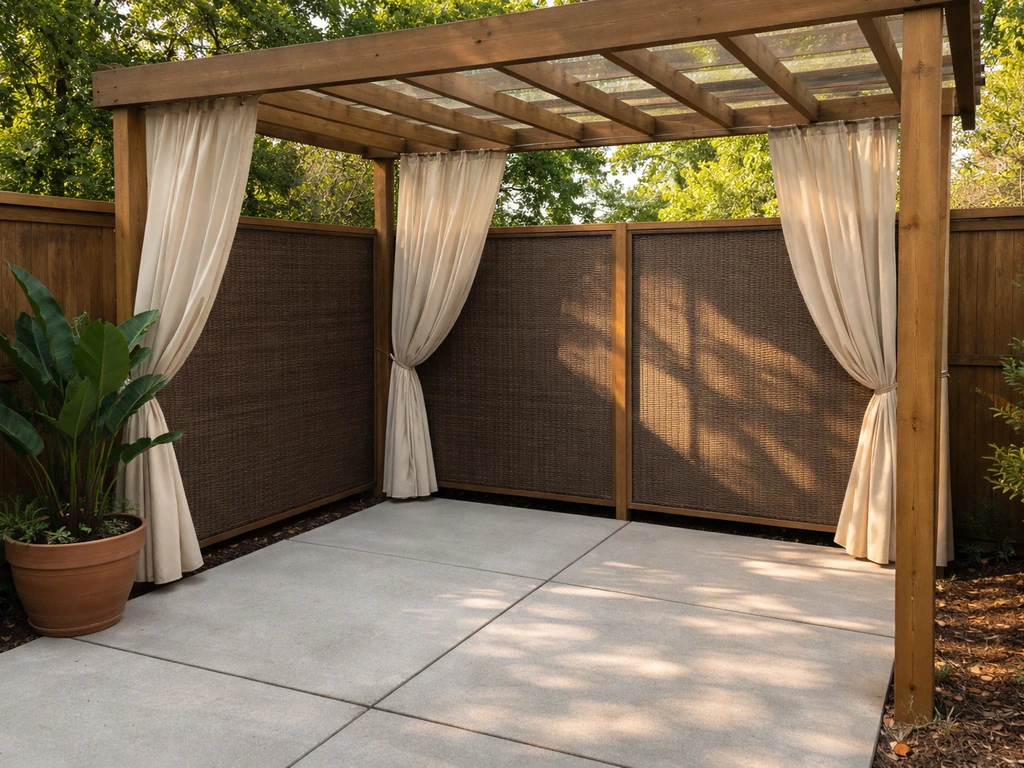
A shade sail is one of the most cost-effective ways to cover an open patio. When installing one, plan the attachment points around your prevailing wind direction, not just where they are easiest to reach. A shade sail catches a lot of wind, and improper mounting is the number one reason they fail. For a more permanent and polished look, a pergola with a shade cloth, polycarbonate roof panel, or retractable canopy gives you year-round options. If you want to go further, a full patio enclosure or screened patio eliminates bugs and weather exposure entirely while still keeping the outdoor feel.
Privacy screens and outdoor curtains
Outdoor curtains are a great budget-friendly privacy fix. Use curtain panels made specifically for outdoor use, since they are built to handle rain, wind, and UV exposure. Mount the hardware into solid wood or structural posts using rust-resistant hardware, and make sure your rod and brackets are rated for outdoor conditions. For windy spots, look for curtains with grommets or ties at the bottom so you can secure them when not in use. Lattice screens, bamboo fencing, and tall planters with dense shrubs are all good alternatives or complements to curtains if you prefer something more structural.
Wind protection
Wind is the enemy of comfortable outdoor living and the enemy of decor that stays put. A combination of a solid privacy screen on the windward side, weighted planters, and furniture with lower profiles helps. If wind is a persistent problem, consider a partial enclosure or a screened patio structure, which blocks wind while keeping airflow and light. It changes the entire usability of the space.
Finishing touches: plants, lighting, storage, and seasonal updates
Lighting that actually works
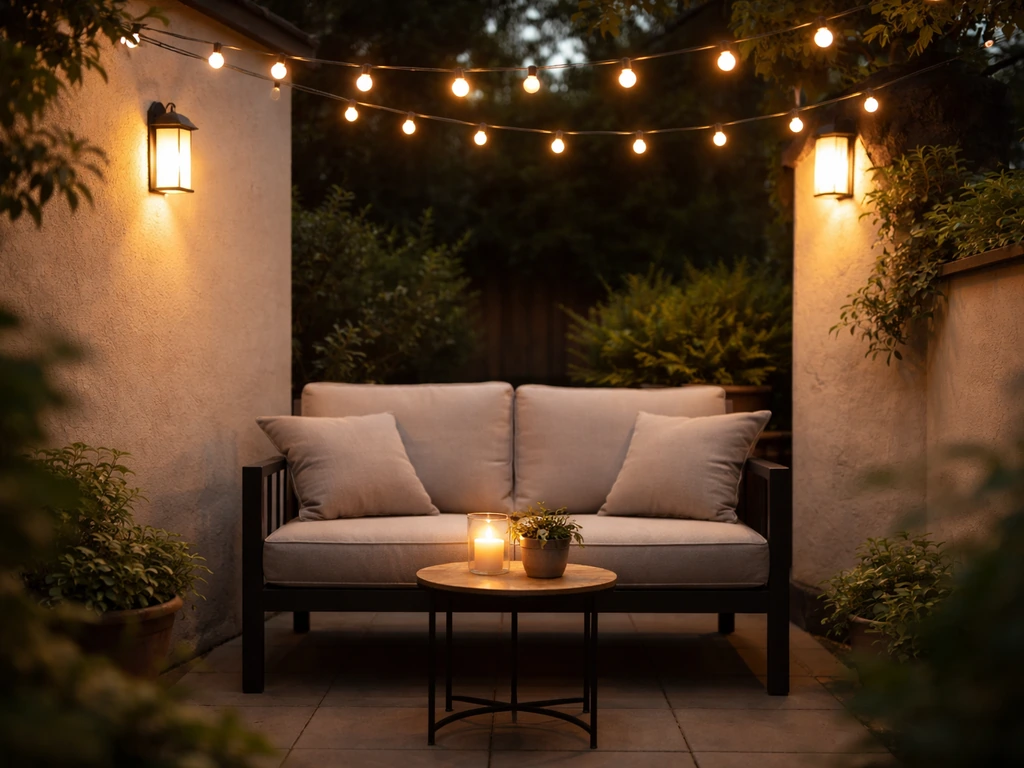
Outdoor lighting does double duty: it extends the hours you can use your patio and it creates atmosphere. After you set your goal, the next step is to add lighting and wall or vertical decor to brighten up a patio. For practical guidance, use these tips for how to light patio spaces so you get both ambiance and safe visibility. For general ambient light, string lights strung overhead or along a pergola are hard to beat for the cost. For safety and navigation, low path lights or step lights help on stairs and transitions, and placing them every 6 to 15 feet creates gentle pools of light without glare. Always check that any fixture you buy is rated for wet or damp locations, which will be indicated on the packaging. IP44, IP65, and higher ratings are used to indicate how well outdoor LED fixtures resist moisture and splashing, which matters for wet-location use rated for wet or damp locations. An IP44 rating at minimum handles rain and splashing; IP65 or higher is better for spots that get direct weather exposure. For a deeper dive into outdoor lighting placement and fixture choices, lighting planning deserves its own attention.
Plants and containers
Plants bring a patio to life in a way that no manufactured decor element can match. Group containers at varied heights for visual interest: tall dramatic plants (thrillers) in the back or center, medium foliage fillers around them, and trailing spillers at the edge. Large pots anchor corners and define zones naturally. For full-sun patios, look for drought-tolerant plants like ornamental grasses, agave, lantana, or lavender. For shadier spots, ferns, caladiums, and impatiens work well. Use pots that match your color palette and are large enough to not look toy-like next to your furniture.
Storage and organization
Clutter kills the vibe of even the best-decorated patio. A weatherproof storage bench is one of the smartest investments you can make: it gives you a seat, doubles as extra surface space, and hides cushions, throws, and outdoor toys inside. Look for one built from UV-resistant materials with a sealed lid. A small outdoor cabinet or deck box works similarly for larger items like gardening tools, hose attachments, and entertaining supplies. When everything has a home, the patio stays looking intentional.
Seasonal refreshes to keep it feeling current
One of the best things about a well-set-up patio is how easy it is to update seasonally without starting over. Swap out cushion covers and throw pillows from warm-weather brights to autumn ochres and deep greens in fall. Add lanterns and evergreen touches for a holiday look. Rotate plants as seasons change. If you want specific ideas for a holiday refresh, decorating a patio for Christmas is its own project worth planning ahead. For smaller spaces like an apartment patio, many of these same ideas scale down without losing impact. For an apartment patio, the same decorating basics like choosing weather-proof pieces, defining zones, and adding comfort can help you get a polished look fast For smaller spaces like an apartment patio. The bones of the space stay the same; the accessories do the seasonal work.
The best next step you can take today is simply to measure your patio and write down your primary goal for the space. Everything else flows from those two things. Once you know the square footage and how you want to use it, the layout, furniture scale, rug size, and shade solution all become much easier decisions. Start there, and the rest of the project builds itself.
FAQ
How do I decorate a patio when I have to keep a door or sliding glass path clear?
Treat the walkway as its own “no-furniture zone.” Keep the 36-inch lane you plan for as the priority, then place furniture so it turns toward the space, not into it. If a chair would block the door swing or cause a pinch point, downsize that piece, switch to armless seating, or choose a round dining table that allows easier movement around it.
What size outdoor rug should I buy if my patio seating doesn’t fit a standard layout?
Use the seating zone method: the rug should extend under at least the front legs of the furniture closest to it. For a mismatched set (like a loveseat plus two chairs), go larger than you think, or place a rug with a clear border margin around the “anchor” piece so the zone looks intentional instead of crowded.
My patio furniture wobbles on uneven pavers. How can I stabilize it without ruining the look?
Start with level adjustments: use patio furniture levelers or furniture shims rated for outdoor use, then check after a rain, since pavers can shift. For heavier items like dining tables, confirm the legs land fully on pavers and consider a rubberized base pad to prevent rocking while protecting the surface.
Can I use indoor decor or small rugs outdoors?
Only if they are explicitly rated for outdoor exposure. Indoor rugs typically degrade quickly from UV, moisture, and mildew, and decorative items like paper lanterns or non-weatherproof candles can fail in damp conditions. If you want the look of an indoor style, choose outdoor fabrics in the same pattern, and use a rug pad designed for outdoor drainage.
How do I decorate a patio that gets direct sun in the afternoon but little in the morning?
Build shade first, then decorate. Choose a shade solution that covers the “peak use” time, like a shade sail or canopy section aligned to where the sun hits, then layer in heat-tolerant materials. Pick fabrics with UV-resistant ratings and darker metals or hardware that won’t flash-heat and feel uncomfortable to touch.
What should I do if wind keeps blowing cushions and throws around?
Choose furniture with tied or zippered cushion covers, then add grip: use non-slip outdoor rug pads and add weighted bases to planters. For accessories, switch to lighter throw pillows only if you can tether them, and consider a storage bench to eliminate the problem when you are not outside.
How can I improve privacy without blocking all airflow?
Use a wind-friendly privacy strategy: place a solid screen only on the windward side, then use taller but more breathable options elsewhere, like lattice with climbing plants or tall planters. If curtains are your plan, look for outdoor grommets or tie-backs so you can open them partially during breezy times.
What’s the safest way to place outdoor candles and lanterns?
Keep flame decor away from overhead strings, dry plants, and areas where wind can tilt them. Use lanterns with closed sides or hurricane holders, and prefer outdoor-rated LED pillar candles when it is gusty. If you use real candles, never leave them unattended and always use stable, non-tip bases on the table.
How do I plan patio lighting if outlets are limited?
Start with fixture power type: if you cannot reach outlets, use solar path lights for navigation and battery or plug-in options for ambiance. For string lights, plan the route so the cord does not become a trip hazard, and confirm the entire line and connectors are rated for wet locations, not just the bulbs.
How do I choose plants for a patio when I don’t know the sun level perfectly?
Do a quick check for two to three days, observe morning to afternoon exposure, then buy a “tolerant” mix. If you are unsure, group plants by microclimate, like one cluster near the brightest wall and one in a shadier corner, and use larger containers to prevent them from drying out too fast.
What are common mistakes people make when they decorate on a tight budget?
The biggest budget sink is buying the wrong scale or wrong materials. If you can only do one upgrade, prioritize a correctly sized rug and weather-proof cushions, because those drive both comfort and the finished look. Then add lighting and vertical interest last, since small changes make the biggest impact without replacing large items.
Next Articles
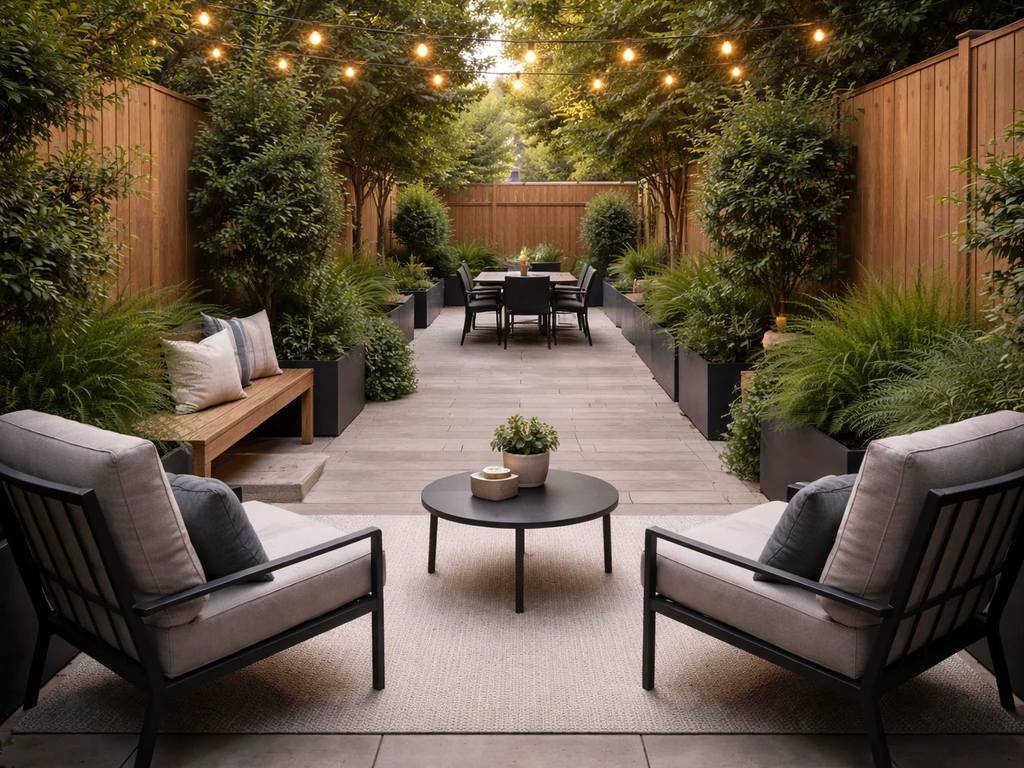
How to Decorate a Long Narrow Patio: Layout Tips
Practical DIY layout and decor tips to widen a long narrow patio using zoning, furniture spacing, lighting, greenery, an
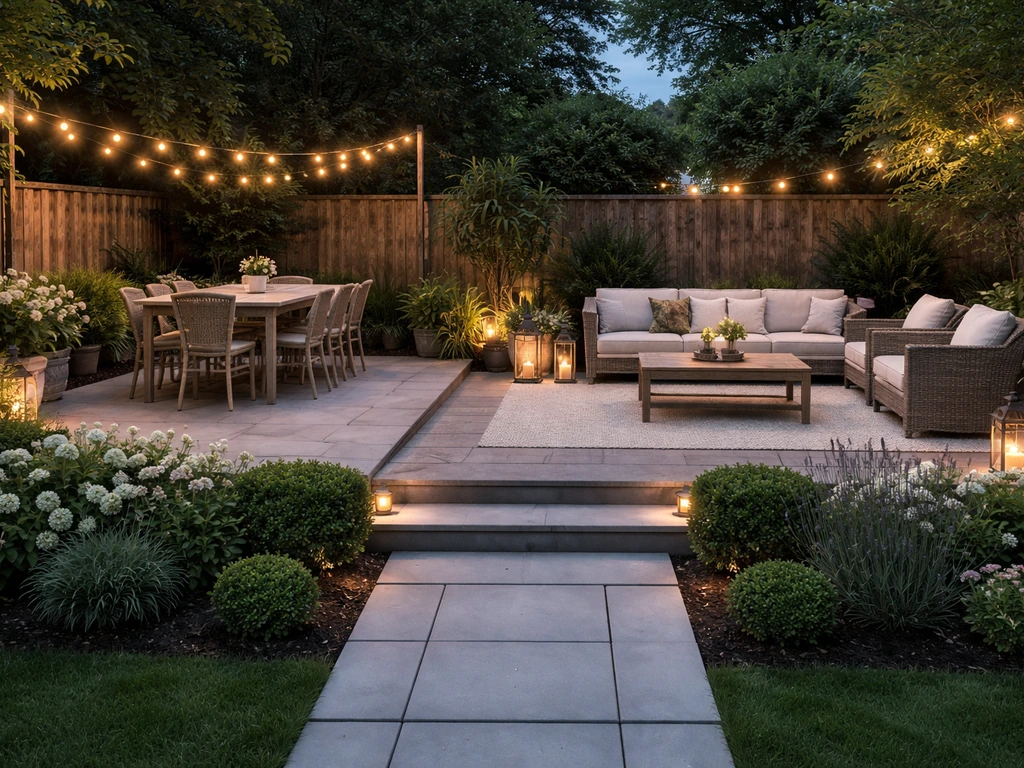
How to Decorate a Rectangular Patio Step by Step
Step-by-step plan to decorate a rectangular patio with smart layout, zones, furniture fit, lighting, plants, and seasona
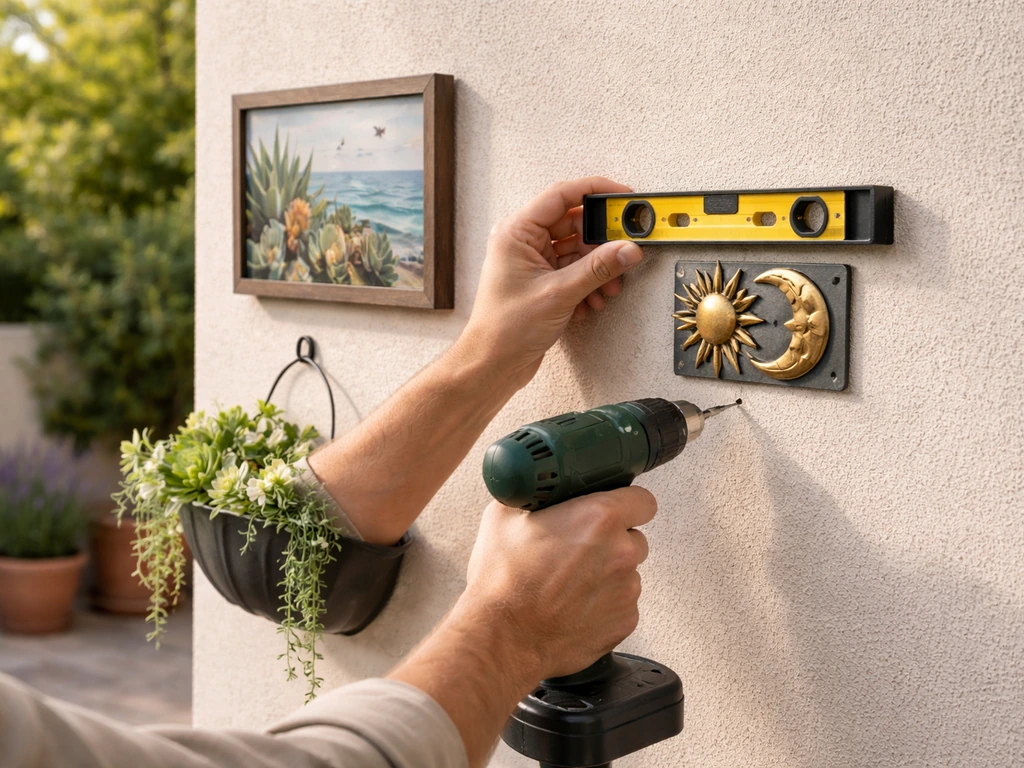
How to Decorate a Patio Wall: DIY Ideas and Mounting Tips
DIY patio wall decor for brick, stucco, wood, concrete, or siding with weatherproof mounting tips and maintenance.