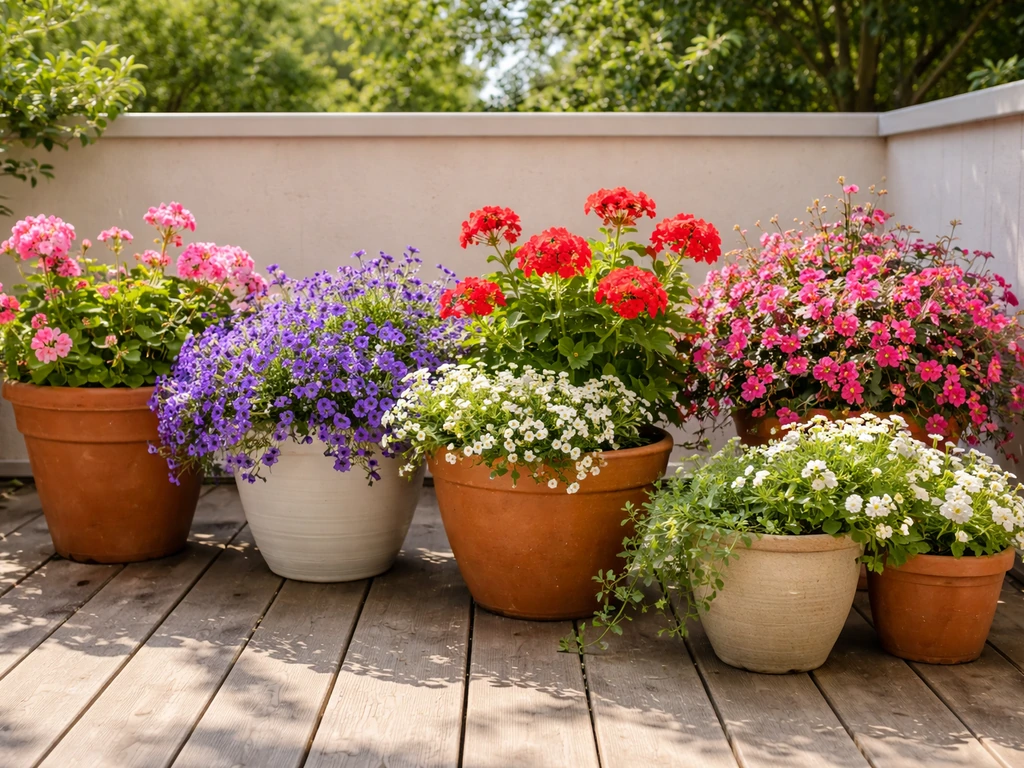
The fastest way to make your patio look put-together with flowers is to start with three or four large containers (at least 10 inches wide, ideally bigger), pick a simple two- or three-color palette, and choose plants matched to how much sun your patio actually gets. If you are focused on how to decorate a patio with flower pots, use these same principles for choosing plants, containers, and placement so the look stays intentional. Get that foundation right and the rest, from arrangement to maintenance, falls into place quickly. Here's exactly how to do it from start to finish.
How to Decorate My Patio With Flowers: Step by Step

Felix Brennan
7 Jul 2026
Start with your patio conditions
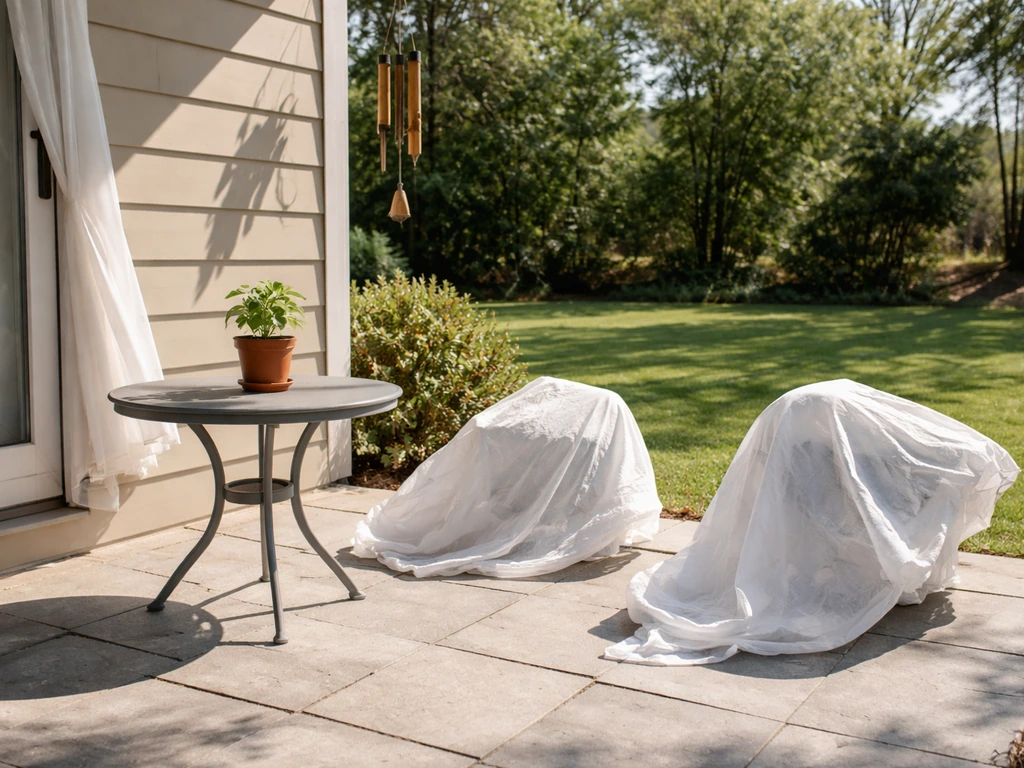
Before you buy a single flower, spend ten minutes observing your space. This is the step most people skip, and it's why they end up with sad, struggling plants two weeks in. Walk out at mid-morning and again at 2 pm and note where the sun falls and where it doesn't. To flag a patio correctly, start by observing its sun and shade patterns and then choose container plants that match those light levels patio conditions.
Count the hours of direct sun each area gets. Full sun means six or more hours; part shade means three to six; deep shade means less than three. Be honest with yourself, especially if you have a covered or screened patio, because even a light roof covering or shade cloth dramatically reduces light intensity.
Next, check your wind exposure. Once your patio flags are picked, you can point them accurately by aligning the stakes in the direction you want the fabric to sit and tightening them so they stay stable in wind how to point patio flags. A patio that faces southwest or sits in an open yard can get serious gusts that dry out pots in hours and snap tall, brittle stems.
Wind isn't all bad, though: good airflow actually reduces humidity around foliage, which cuts down on fungal problems like powdery mildew. If you have a screened or enclosed patio, you're essentially creating a more protected microclimate, which opens up options for slightly less heat-tolerant flowers. Note whether your surface is concrete, pavers, wood decking, or something else, since heavy planters on wood decks need weight-distribution consideration.
Finally, look up your USDA Plant Hardiness Zone. The USDA map is the standard reference for figuring out what plants are climatically suited to your location. Even for annuals (which don't need to survive winter), your zone tells you roughly how hot your summers get and how long your growing season runs, which directly affects what will thrive in a container on your patio all season long.
Pick flowers that match your climate and container limits
Container life is harder on plants than in-ground growing. Roots can't spread deep to find water or nutrients, the soil heats up faster on hot days, and everything depends on what you give them. So choose plants that are already well-suited to those constraints, not ones you're hoping will adapt.
For full-sun patios in warm or hot climates (roughly Zones 7 through 11), petunias, lantana, portulaca, marigolds, zinnias, and calibrachoa (million bells) are all excellent. They're heat-tolerant, flower heavily all season, and handle the drying effect of pots in the sun reasonably well. Calibrachoa in particular is a standout: it's self-cleaning, meaning it drops its spent blooms without any deadheading from you, and it comes in an enormous range of colors. For part shade, go with impatiens, begonias, torenia, or coleus (grown for foliage but a great complement). For deeper shade, impatiens and ferns are your most reliable choices.
If you're in a cooler climate or decorating for spring and fall rather than peak summer, think pansies, snapdragons, dianthus, and ornamental kale. These prefer cooler temperatures and will actually look better when summer heat plants would be fried. The concept of seasonal rotation, swapping cool-season flowers in spring and fall for heat-lovers in summer, is one of the easiest ways to keep your patio looking fresh all year.
One practical tip: if your patio is windy, skip tall, single-stemmed flowers like delphiniums or tall dahlias unless you're committed to staking them. Compact, mounding varieties, like wave petunias, calibrachoa, or lantana, handle wind far better and fill containers beautifully without tipping over.
Choose containers, planters, and where to put them
Container choice matters more than most people realize. A pot that's too small stresses plants quickly because there isn't enough soil volume to buffer heat and moisture changes. A pot that's much too large holds excess moisture longer than roots can use it, which sets up conditions for root rot. For most annual flowers, a good minimum is 8 to 10 inches in diameter, and for mixed plantings or anything you want to look lush, go bigger: 12 to 16 inches or a full half-barrel.
Drainage is non-negotiable. Every container needs holes at the bottom. Without drainage, roots sit in stagnant water and suffocate. If you fall in love with a decorative pot that has no holes, either drill them yourself (a masonry or tile bit works on ceramic and terra cotta) or use the double-pot method: plant into a plain nursery pot with drainage, then drop that inside the decorative container. Just remember to empty the outer pot after it rains or after you water heavily.
Where to place containers for maximum impact
Think about your patio in zones. The entry point, whether it's a door, a gate, or the step down from the house, is the natural focal point and deserves your biggest, most dramatic containers. Flanking a door with two identical large planters is a classic move that immediately makes a patio look designed rather than accidental. Beyond the entry, think about edges and transitions: along railings, down steps, at corners where the eye naturally travels. If you are also planning how many flags do i need for my patio, count the main edges and transitions first so the placement matches your walkway flow.
- Entry and doorways: use a pair of matching large planters (14 inches or wider) with upright thrillers like ornamental grass or a small standard rose flanked by trailing flowers
- Railings and fences: railing planters and window boxes bolt directly to the rail and keep floor space open; they work great for trailing plants like bacopa, calibrachoa, or ivy
- Steps: a pot at every other step creates a staircase effect; keep these smaller (8 to 10 inches) so they don't become a trip hazard, and use mounding or trailing plants
- Hanging baskets: perfect for covered patios and screened enclosures; they use overhead space and look full and lush; use a liner with good drainage and water them frequently since they dry out faster than floor pots
- Corners and edges: grouping three pots of different heights in a corner creates a planted vignette that anchors the space without overwhelming it
If you have a small patio, don't spread lots of tiny pots around. A few large, well-planted containers make a stronger impression than a dozen underfilled six-inch pots scattered everywhere. For more specific ideas tailored to tight spaces, a small patio approach is worth thinking through separately, since the arrangement priorities shift when you have limited square footage.
Create a layout that looks intentionally designed
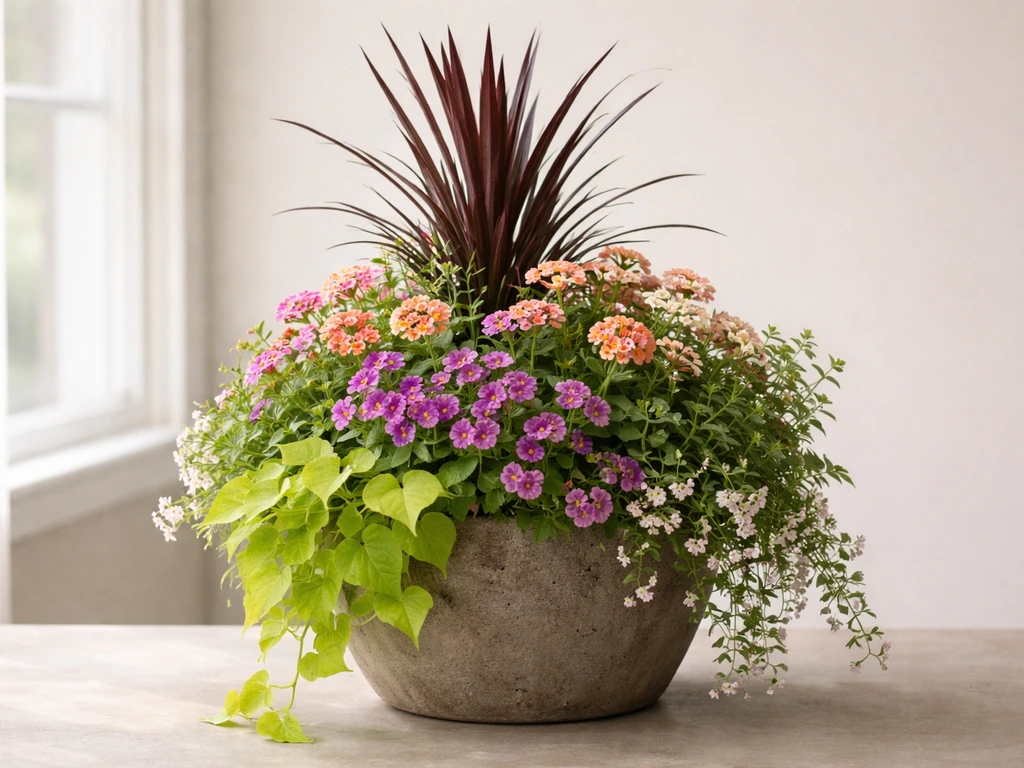
Here's the design framework that makes flower arrangements look intentional rather than random: thriller, filler, spiller. Every container should have at least two of these three roles covered, and ideally all three.
- Thriller: the tall, dramatic centerpiece plant that draws the eye upward (examples: upright salvia, ornamental grass, a tall petunia variety, a standard marguerite daisy)
- Filler: mid-height bushy plants that flesh out the container and hide the soil (examples: marigolds, impatiens, begonias, compact zinnias)
- Spiller: trailing plants that cascade over the edge and soften the container rim (examples: calibrachoa, sweet potato vine, bacopa, trailing verbena, lobelia)
For color, a simple approach works best: pick one dominant color, one complementary accent, and one neutral (white, silver, or lime green foliage). Hot colors, reds, oranges, and yellows, read as energetic and visible from a distance. Cool colors, purples, blues, and soft pinks, feel more relaxed and work well for a lounge area. White flowers are endlessly versatile and seem to glow at dusk.
One thing worth keeping in mind: color is more temporary than texture. As light levels shift through the day and across seasons, your perception of color changes. Texture, the difference between broad glossy leaves and fine-textured trailing stems, stays consistent and is actually the more reliable design element. Build your container plantings with interesting texture combos and the color will take care of itself.
For a cohesive look across multiple containers, repeat at least one plant or color in every pot. If your front-door planters use a coral petunia, pick up that same coral in the railing boxes or the step pots. Repetition creates visual rhythm and makes the whole patio feel like one considered design rather than a collection of unrelated impulse buys.
For formal-looking patios, symmetry helps enormously. Identical containers on either side of a seating area or doorway signals intentionality and pairs well with clipped, upright plants. For a more relaxed, cottage feel, go asymmetrical with varied container shapes and a looser mix of plant types. Both approaches work; pick the one that fits your overall patio style.
Planting and setup for best survival
Never use garden topsoil in containers. Dense garden soil compacts in pots, restricts root development, and drains poorly. Use a proper potting mix labeled as potting soil or potting mix. These are formulated to be light and fluffy, which holds enough moisture while still allowing excess water to drain and air to reach roots. You'll see products labeled as topsoil, planting soil, or planting mix at garden centers; for containers, potting mix specifically is what you want.
When filling your containers, here's the process to follow:
- Cover the drainage hole with a small piece of mesh or a coffee filter to keep soil from washing out without blocking drainage
- Fill the pot roughly halfway with fresh potting mix; do not pack it down hard
- Set your plants in while still in their nursery cells to test the arrangement before committing; the top of the root ball should sit about an inch below the container rim to leave room for watering
- Plant the thriller first in the center or back, then the fillers around it, then tuck spillers near the edges
- Fill in around roots with potting mix, firming gently but not compacting, and water thoroughly until water runs freely from the drainage holes
Spacing inside a container is tighter than in-ground spacing because you want full, lush looks quickly. For a 12-inch pot, three to five plants is usually right depending on their mature size. For a large half-barrel, you can go with six to nine plants. Crowding too much leads to poor airflow between plants, which invites fungal problems, so give them just enough room to touch and mingle without smothering each other.
Easy maintenance to keep blooms going
Container flowers need more attention than in-ground plants, but the routine is simple once you establish it. The three things that keep patio flower containers looking great are consistent watering, regular feeding, and deadheading (for the plants that need it).
Watering
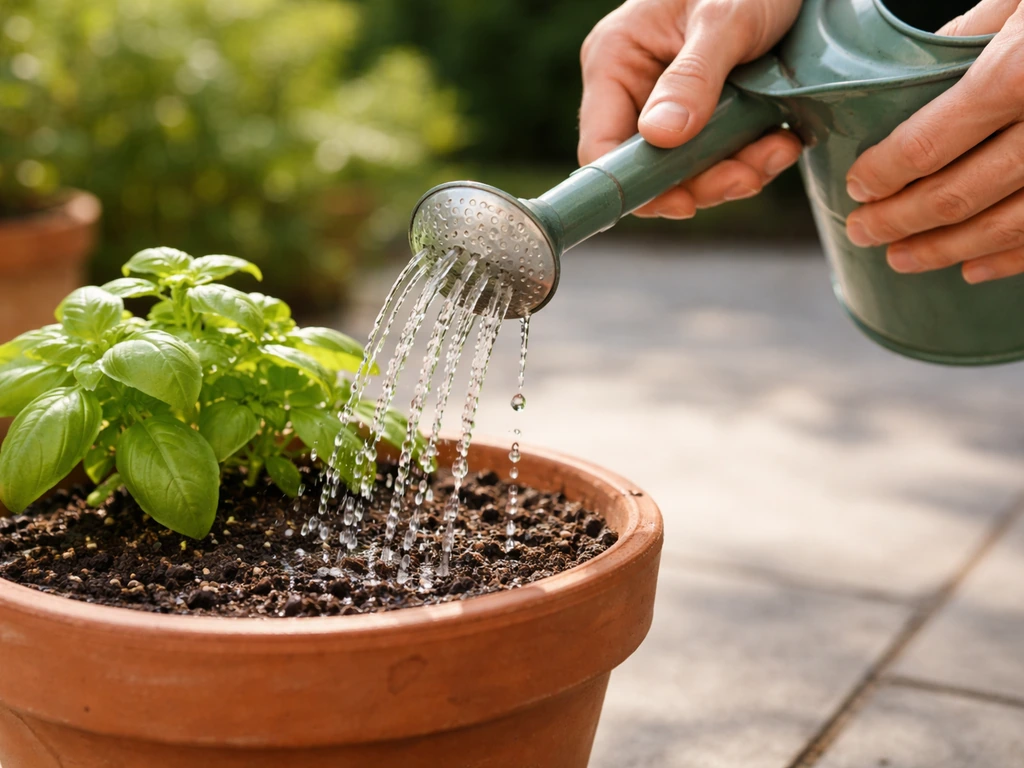
How often you water depends on container size, the plants, the potting mix, and the weather. On a hot summer day, a hanging basket or small pot can dry out completely in a single afternoon. Larger containers are more forgiving. Rather than following a rigid schedule, check the soil: push your finger an inch deep and if it's dry or barely damp, water.
If it's still moist, wait. When you do water, [do it thoroughly, applying enough to saturate the entire root zone, not just the top inch](https://www. pubs. ext.
vt. edu/content/pubsextvt_edu/en/SPES/spes-804. html). Water should flow out the drainage holes.
Frequent shallow watering encourages shallow roots and stressed plants. On extremely hot days, especially with small or hanging containers, you may genuinely need to water twice.
Fertilizing
Potting mixes often come with slow-release fertilizer already incorporated, which is helpful for the first month or two. But repeated watering gradually flushes nutrients out of the mix over time. To keep flowers blooming strongly through the season, supplement with a water-soluble balanced fertilizer every one to two weeks once the initial charge in the potting mix fades. A standard 10-10-10 or bloom-booster formulation works well. If you see pale foliage or slowing bloom production, fertilizing more consistently is usually the first fix to try.
Deadheading
Deadheading means removing spent flower heads to encourage the plant to keep producing blooms instead of setting seed. For most petunias, marigolds, zinnias, and geraniums, pinching off faded flowers every few days makes a significant difference in how long they bloom. Calibrachoa (million bells) is one notable exception: it's self-cleaning and drops its own spent flowers, so you don't need to deadhead it at all. If it starts looking leggy or tired mid-season, trim the whole plant back by a couple of inches and it will rebound with fresh growth and blooms.
Seasonal refresh plan and quick fixes for common problems
A patio that looks great in June but sad by late July is a missed opportunity. Plan from the start to do two or three seasonal swaps through the year, and your space will look deliberately maintained rather than abandoned.
| Season | What to Plant | Quick Notes |
|---|---|---|
| Early Spring | Pansies, snapdragons, dianthus, ornamental kale | Plant after last hard frost; these prefer cool temps and will fade when heat arrives |
| Late Spring to Summer | Petunias, calibrachoa, marigolds, zinnias, lantana, begonias | Main season; match to sun/shade conditions; feed every 1-2 weeks |
| Late Summer Refresh | Pull tired plants, add fresh fillers or a new thriller | A mid-season refresh with new plants revives containers that look spent |
| Fall | Ornamental kale, mums, pansies, asters | Swap summer annuals as temps drop below 50°F at night consistently |
| Winter (mild climates) | Cyclamen, primrose, cool-season violas | For Zones 8+; in colder zones, store containers and refresh planters in spring |
Quick fixes for common problems
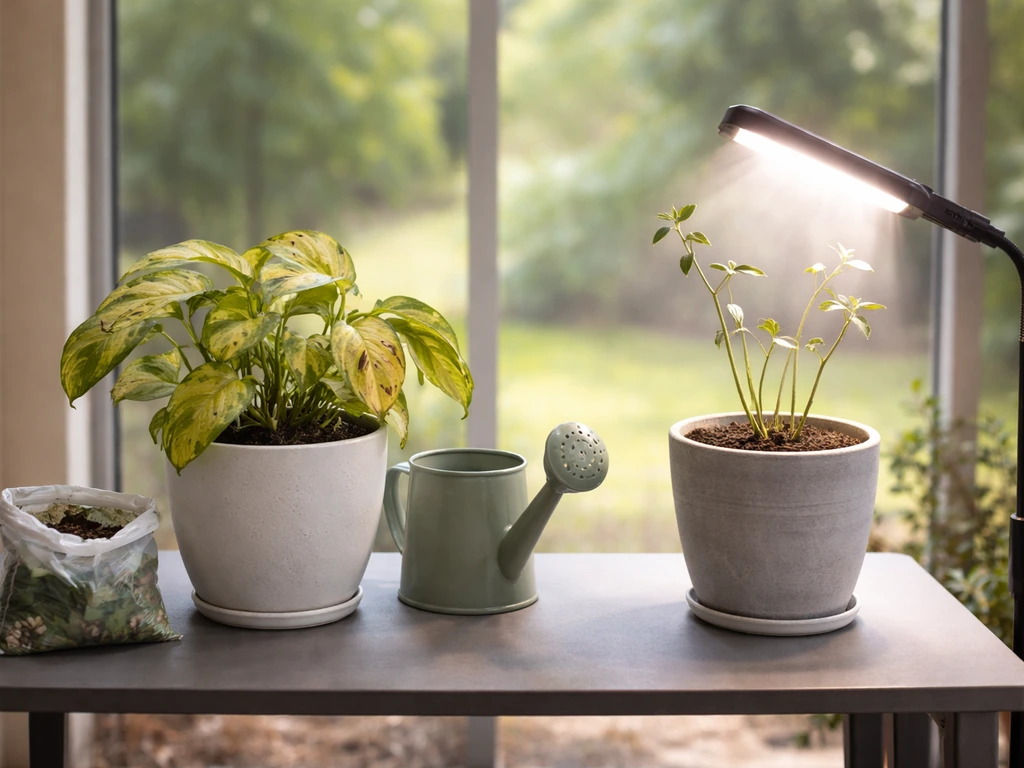
- Yellowing leaves: usually overwatering or nutrient deficiency; check drainage first, then consider whether fertilizing is overdue
- Leggy, sparse growth: not enough light; move the container to a sunnier spot or trim plants back by a third to encourage bushier regrowth
- Wilting despite wet soil: likely root rot from poor drainage; remove plant, trim rotted roots, repot in fresh mix with confirmed drainage holes
- Wilting in afternoon heat: normal for some plants on extremely hot days; water in the morning and check if it recovers by evening; if so, no problem
- Powdery white coating on leaves: powdery mildew; improve airflow by spacing pots further apart, avoid wetting foliage when watering, and remove badly affected leaves
- Pots drying out too fast: move to a slightly shadier spot during peak heat, switch to a larger container, or add a layer of mulch over the potting mix surface to slow evaporation
- Blooms fading quickly: usually heat stress or irregular watering; ensure consistent moisture and consider a shade cloth if your patio gets brutal afternoon sun
If you have a screened or enclosed patio, you have a genuine advantage here. The structure buffers wind, reduces temperature extremes slightly, and protects plants from heavy rain damage. You can often grow slightly more delicate flower varieties than open-patio gardeners can. The tradeoff is that light may be reduced depending on screen density, so lean toward shade-tolerant plants for interiors and save the full-sun varieties for containers placed near the screen edge where they still catch direct light.
Whether you're working with flower pots on a small balcony, a full wraparound patio, or a mix of hanging baskets and railing planters, the core process is the same: match plants to conditions, give roots the right container and soil, repeat a color or plant for cohesion, and stay on top of watering and feeding. Start with that and you'll have a patio that looks like you planned it all along. If you need more inspiration, learn how to decorate a deck or patio with flowers using a simple, repeatable layout and color plan.
FAQ
Can I use decorative pots that do not have drainage holes, and still keep flowers healthy?
Yes, but only if you match the material to the drainage plan. Use containers with bottom holes, and if you have a saucer, empty standing water after watering or rainfall. In very hot climates, dark-colored pots can overheat the root zone, so consider lighter pot colors or add an insulating layer of mulch on top of the potting mix.
What’s the best way to avoid containers looking sparse for the first few weeks?
If you want a patio to look good immediately, aim for plants that will fill in fast rather than just “start small.” For mixed containers, choose varieties that naturally mound or trail at maturity, and set them closer to the recommended plant count for your pot size (for many 10 to 12 inch pots, that is roughly 3 to 5 plants depending on mature width). Crowding too tightly can backfire by reducing airflow.
My patio flowers look unhappy, how can I tell if the problem is overwatering or underwatering?
Start by checking the actual soil moisture, not just the plant’s appearance. Push a finger about an inch into the potting mix, if it feels dry or barely damp, water thoroughly until water runs out of the drainage holes. Yellowing leaves plus soggy soil usually points to overwatering and poor drainage, while wilting in hot afternoons that improves later often indicates underwatering or soil drying too fast.
Can I use my own fertilizer schedule instead of slow-release plus periodic feeding?
You can, but you need to prevent fertilizer burn and nutrient imbalance. If your potting mix already has slow-release fertilizer, wait about a month before adding frequent water-soluble fertilizer. When you do feed, use the label-recommended rate and adjust based on results, if foliage is dark green but blooms slow, you likely have too much nitrogen.
Which flower types will require the least deadheading on a busy patio routine?
If your goal is color all summer without constant deadheading, pick self-cleaning types or plants that naturally shed spent blooms. Calibrachoa is a prime example, and many marigolds and petunias also tolerate simple maintenance. For other flowers, treat deadheading as a quick weekly task and focus on cutting off faded clusters before they form seed pods.
How can I combine different flower varieties without the patio looking chaotic?
Yes, but do it intentionally. Mix thriller, filler, and spiller roles within the same pot, then repeat at least one color or plant across containers to unify the look. For “beginner-proof” combinations, pick one dominant color and keep the plant textures consistent, too many different leaf shapes without repetition often looks random even if the colors match.
My patio gets windy, what layout and plant choices reduce tipping and damage?
For maximum stability, avoid long, top-heavy stems in windy locations. Choose compact mounding or spreading varieties, keep plant height moderate, and consider staking only when necessary. Also, use potting mix that drains well and do not underfill the pot, a shallow or lightweight setup can tip more easily.
If my patio is partly shaded, can I still grow typical summer “full sun” flowers?
Not always, especially in containers. Some flowers like petunias can handle moderate shade, but many bloom best with at least a few hours of direct sun. If your patio receives only reflected light or brief sun, prioritize shade-tolerant options like ferns or impatiens, and place sun-loving containers near edges or openings where light is stronger.
What’s the easiest way to plan seasonal flower swaps so my patio looks great from spring to fall?
Treat seasonal swaps like a timed refresh, not a last-minute rescue. Plan a spring and fall phase for cooler temps, then switch to heat-lovers for peak summer, and keep a core of foliage plants for continuity. If you wait until peak heat or peak cold hits, growth can stall and you may lose the visual impact of the transition.
I have a small patio, how many containers should I use and where should they go?
For tight patios, bigger is usually better, use fewer but fuller containers instead of many undersized ones. Group containers by function, place the most impressive pair or cluster near the main viewing point, and keep the number of plants consistent across containers for rhythm. If you must use multiple small pots, use matching colors and similar plant shapes to prevent clutter.
Next Articles
How to Flag a Patio: DIY Guide for Pavers and Repairs
Step-by-step DIY guide to flag a patio: choose pavers, prep base, set flags, cut, joint, seal, and repair.
How to Decorate a Long Narrow Patio: Layout Tips
Practical DIY layout and decor tips to widen a long narrow patio using zoning, furniture spacing, lighting, greenery, an
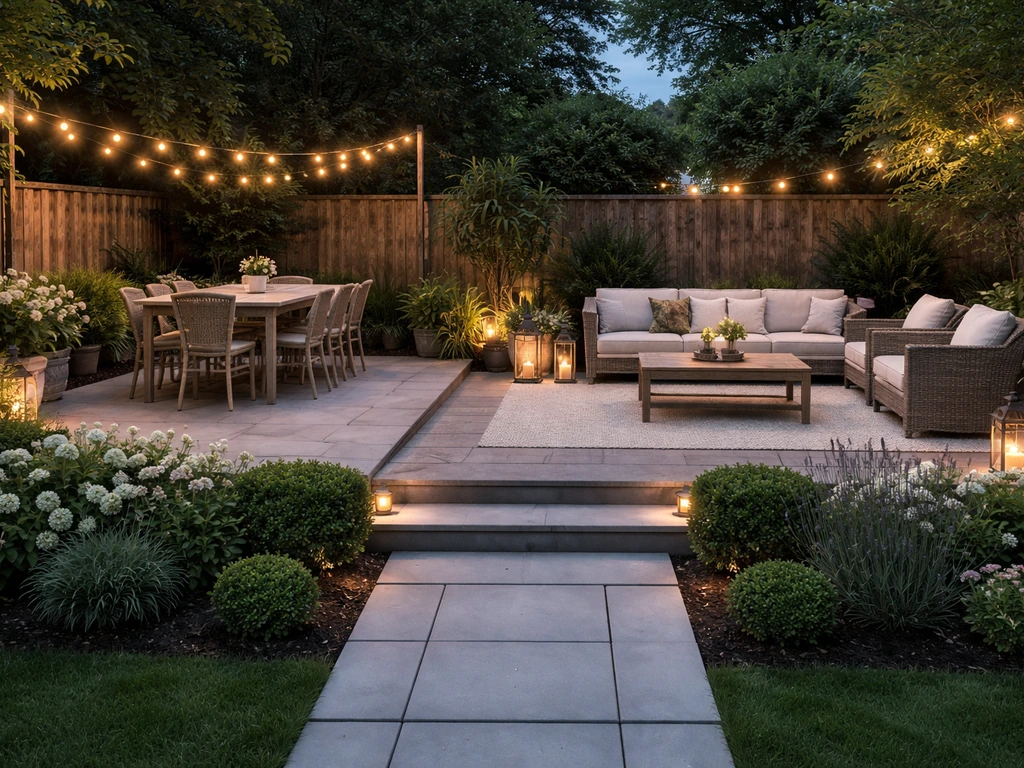
How to Decorate a Rectangular Patio Step by Step
Step-by-step plan to decorate a rectangular patio with smart layout, zones, furniture fit, lighting, plants, and seasona