You can grow a steady supply of fresh lettuce on a patio using containers as small as 8 inches wide, and the whole setup takes less than an afternoon. Once you switch from greens to fruit trees, the main care priorities become light, watering consistency, container or rootstock choice, and protecting blooms and fruit from heat and pests patio. Pick a loose-leaf or compact variety, fill a container with a good potting mix, sow seeds or drop in transplants, keep the soil consistently moist, and you'll be harvesting baby leaves in as little as 30 days. The keys are choosing the right varieties for your specific patio conditions, managing heat and sun exposure (lettuce bolts fast when it gets too warm), and using cut-and-come-again harvesting to keep plants producing for weeks.
How to Grow Lettuce on a Patio: Step-by-Step Guide

Best lettuce varieties for containers
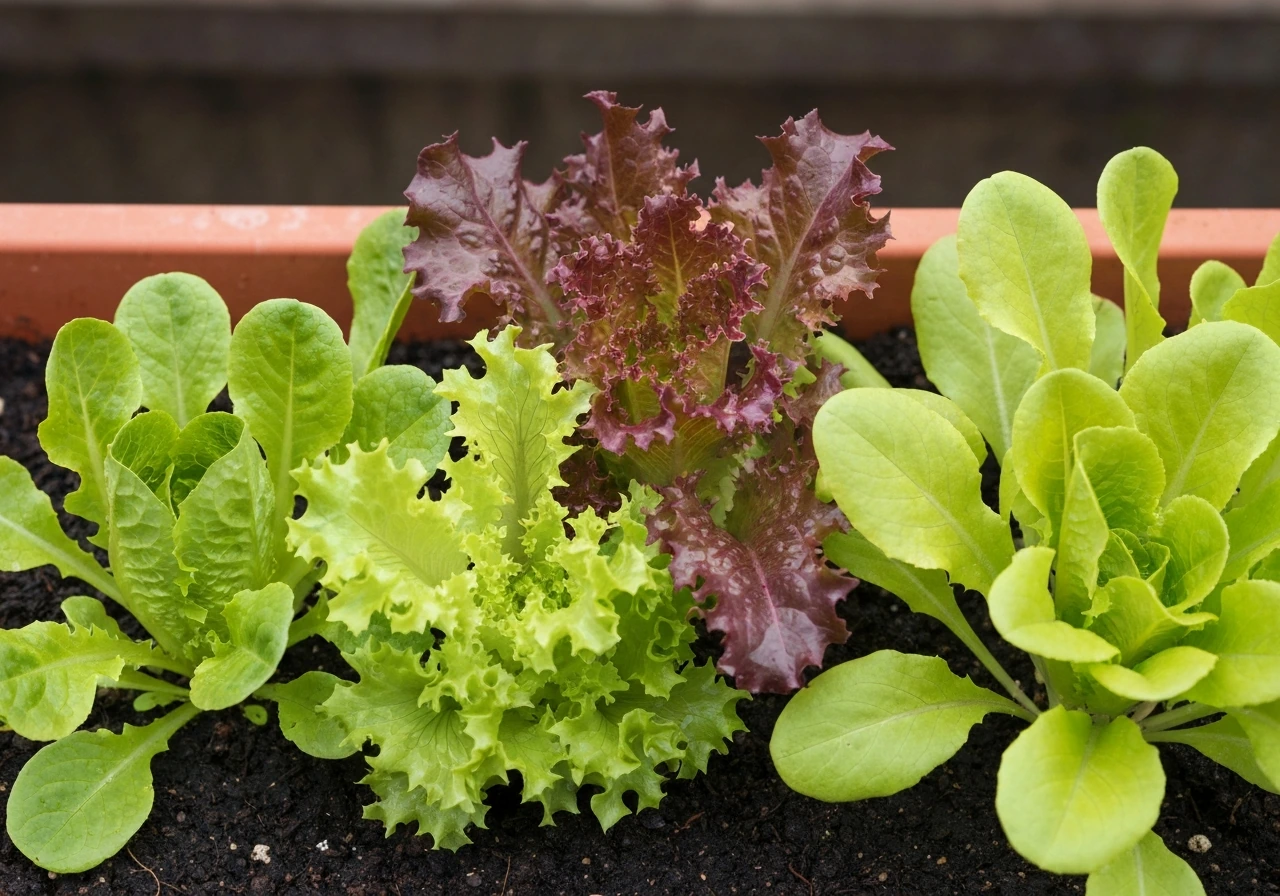
Not all lettuce handles patio life equally well. You want varieties that stay compact, tolerate some heat, and respond well to repeat harvesting. Here are the ones that consistently perform best in containers.
| Variety | Type | Days to Maturity | Best For | Notes |
|---|---|---|---|---|
| Red Salad Bowl | Looseleaf | 45–60 days (baby leaves from 30) | Cut-and-come-again, heat tolerance | Some mildew tolerance; forgiving in summer containers |
| Little Gem | Compact Cos/Romaine | 50–55 days from transplant | Small pots, partial shade spots | Relatively bolt-resistant for a Cos type |
| Black Seeded Simpson | Looseleaf | 45–50 days | Quick harvest, successive sowing | Classic loose-leaf; light green, tender leaves |
| Buttercrunch | Butterhead | 55–65 days | Shadier patios, cooler spots | Heat-sensitive but excellent flavor |
| Oak Leaf | Looseleaf | 45–55 days | Cut-and-come-again, decorative pots | Attractive, frilly leaves; shallow roots fit containers well |
Red Salad Bowl is a solid default choice for most patio setups. It handles a bit of summer heat better than many varieties, produces baby leaves fast, and keeps coming back after cuts. Little Gem is the pick if you have a compact or partially shaded corner and want something closer to romaine. Avoid iceberg and large crisphead types entirely, they need more space, take much longer to mature, and don't do well with cut-and-come-again harvesting.
Picking the right spot on your patio
Lettuce wants about 5–6 hours of sun per day, but on a patio that afternoon sun can be brutal. Morning sun and afternoon shade is the ideal setup, especially in summer. NC State Extension notes that lettuce and other cool-season greens can get by on as little as 3–5 hours of direct sun, which is actually great news for patios with partial shade from a pergola, overhang, or screen enclosure.
Wind is a bigger problem on patios than most people expect. It pulls moisture out of containers fast, which stresses the plants and speeds up bolting. If your patio is exposed, push containers toward a wall or fence, or group them together. A screened or enclosed patio actually creates near-ideal conditions for lettuce: filtered light, wind protection, and slightly moderated temperatures.
Temperature is the make-or-break factor. Lettuce thrives between about 45°F and 75°F. Once daytime temps consistently push above 80°F, it starts to bolt (send up a flower stalk), and once that begins you can't reverse it. On a patio, concrete and pavers radiate extra heat upward, which can push containers well past ambient air temperature. Elevating pots slightly off the ground with pot feet or a rack helps, and moving containers to a shadier spot during heat waves buys you extra weeks.
Using your patio structure to your advantage
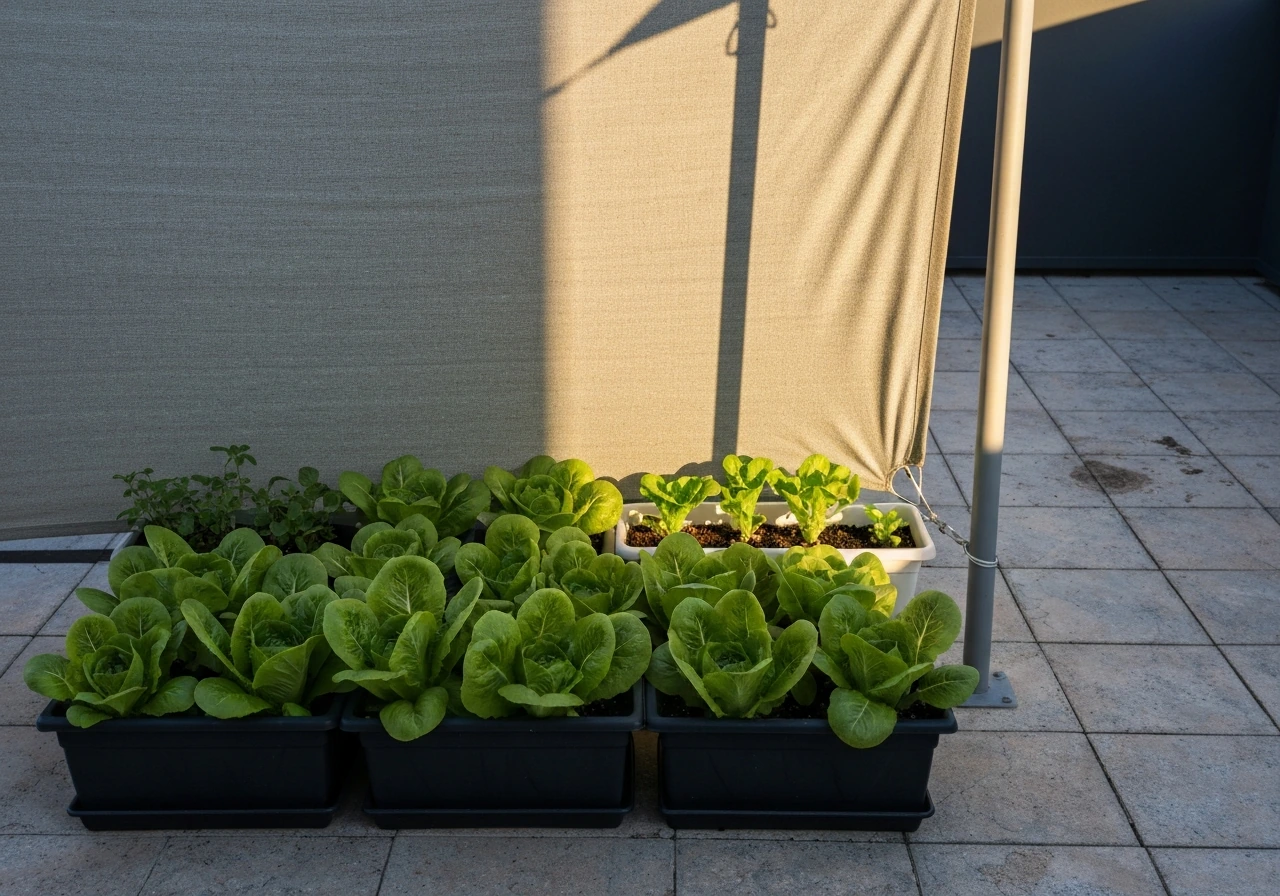
If you have a shade sail, pergola, or covered patio roof, position your lettuce containers under the edge where they get morning light but are shielded from the hottest afternoon sun. If you're thinking about upgrading your patio's shade or enclosure setup, that investment pays off directly for cool-season crops like lettuce. Patios designed as outdoor rooms with sun and wind protection naturally extend the growing season on both ends of the calendar.
Container and soil setup
Choosing your containers
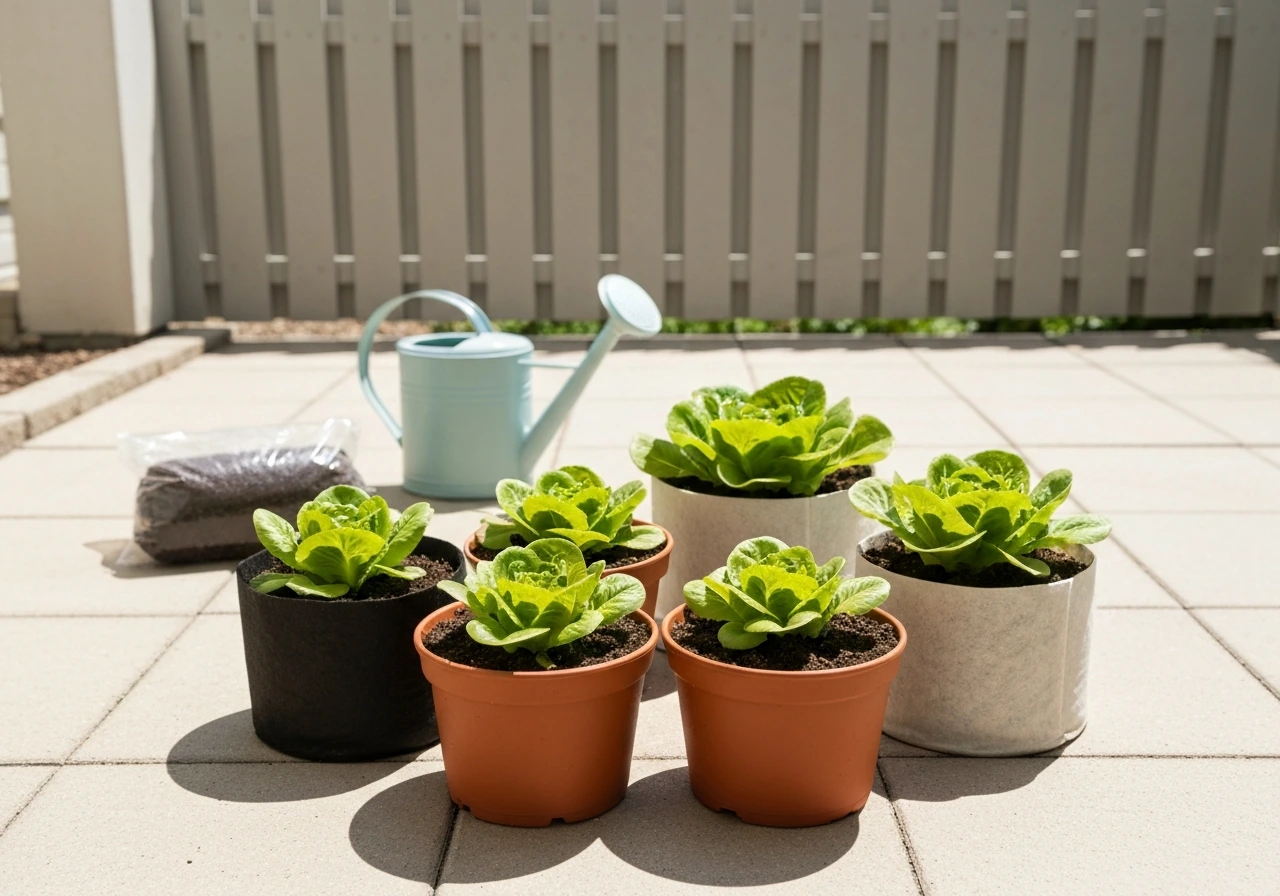
Lettuce is shallow-rooted, which works in your favor. A container that is 6–8 inches deep is enough for loose-leaf types, and 8–10 inches works well for everything. If you want to know how to stake patio tomatoes, the container depth and support you choose are key to keeping plants upright and producing well A container that is 6–8 inches deep is enough. Wider is generally better, a 12-inch window box or a wide, shallow trough gives you room to grow several plants and keeps the soil from drying out as fast as a narrow deep pot. Terracotta looks great but dries out quickly in sun and wind; plastic and glazed ceramic hold moisture much better on exposed patios.
Drainage is non-negotiable. Every container needs holes in the bottom so excess water drains freely. Sitting in waterlogged soil is one of the fastest ways to kill lettuce. Use saucers under your containers to catch drips, but empty them after watering so the roots aren't sitting in standing water.
The right soil mix
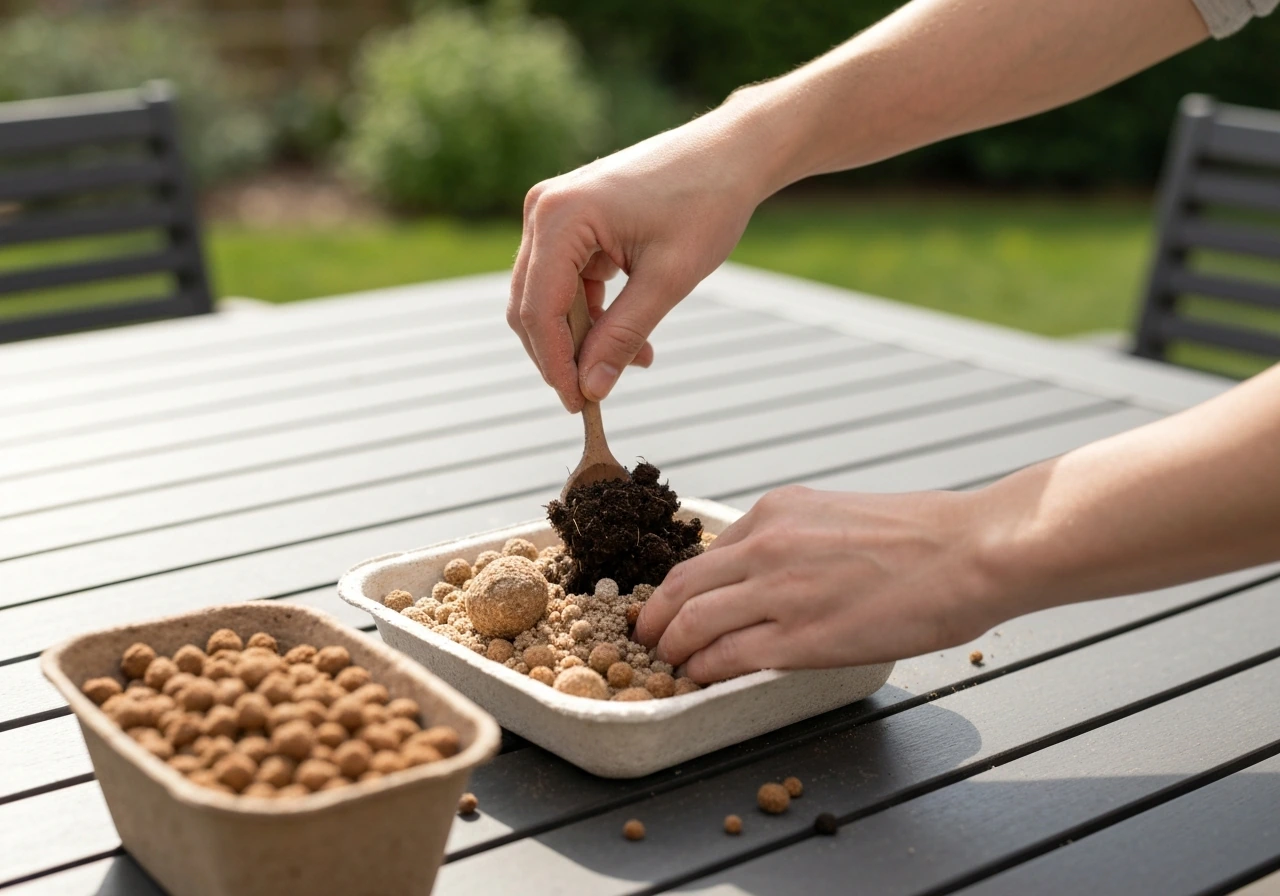
Never use straight garden soil in containers, it compacts, drains poorly, and brings in pests. Use a quality peat- or coco-coir-based potting mix. For lettuce, adding about 20–25% compost by volume to your potting mix gives you the nutrients and moisture retention lettuce loves. Some gardeners also add a small amount of perlite (around 10%) to improve drainage, which is worth doing if your patio gets heavy rain or you tend to overwater. Lettuce prefers a slightly acidic to neutral pH, somewhere around 6.0–7.0.
Planting and timing
When to plant
Lettuce is a cool-season crop, which means your best growing windows are spring (soil temps above 40°F, air temps below 75°F) and fall (when heat breaks and nights cool down). For most of the US, that means planting outdoors from late February through April, and again from late August through October. Since it's currently early July 2026, you're in the heat of summer, now is a good time to start planning your fall crop. Start seeds indoors or in a shaded spot in mid- to late August, then move containers to your patio as temperatures drop below 80°F consistently.
Seeds vs. starts
Seeds are cheap and give you more variety options. Lettuce seeds germinate in 7–10 days at soil temps between 60–65°F. Sprinkle seeds thinly on top of moist potting mix, press them lightly into the surface (they need some light to germinate), and keep the soil moist until they sprout. Transplant starts from a garden center save about 3–4 weeks and are a good option if you want a head start or are filling in gaps in an existing planting. Both work well in containers.
Spacing and successive sowing
For loose-leaf types, space plants about 4–6 inches apart. For compact cos types like Little Gem, 6–8 inches works. The real trick to a steady harvest is successive sowing: start a new container or pot every 2–3 weeks rather than planting everything at once. That way, as one batch starts to wind down, the next is ready to take over. In containers, this is easy, just keep a few small pots going in the background while you harvest the main ones.
Watering and feeding your patio lettuce
How often to water
Containers dry out much faster than garden beds, and on a patio with sun and wind that can mean daily watering in warm weather. The rule is simple: push your finger about an inch into the soil. If it feels dry at that depth, water. If it still feels slightly moist, wait. When you do water, water thoroughly, slow and steady until water drips out the drainage holes. That ensures the entire root zone gets wet, not just the top inch. On hot or windy days, you may need to water twice. A general guideline from the Almanac is roughly 1 inch of water per week in the garden, but container lettuce in warm weather often needs more.
Inconsistent watering is the number one cause of tipburn (brown leaf edges) in patio lettuce. It creates a transient calcium deficiency in rapidly expanding leaf tissue, not because there's no calcium in the soil, but because water stress disrupts how the plant moves calcium to new growth. Keep the moisture consistent and tipburn largely takes care of itself.
Feeding schedule
Lettuce is a fast-growing, leafy crop, so it needs nitrogen most. A balanced liquid fertilizer (something like 10-10-10 or a fish emulsion) applied every 2–3 weeks is plenty for containers. Don't over-fertilize with high-potassium or high-ammonium feeds, excessive potassium and magnesium can actually worsen tipburn risk, especially if your mix is lower in calcium. If you've mixed in good compost at planting, you may not need to feed at all for the first 3–4 weeks. Watch the leaf color: pale yellowing leaves mean more nitrogen; dark, lush growth means you're probably set.
Managing heat stress and preventing bolting
Bolting is triggered by warm temperatures and long days. Once a lettuce plant sends up a flower stalk, the leaves turn bitter and the game is over, you can't reverse it. Your best tools are timing (grow in cool seasons), afternoon shade, and moving containers to a cooler spot during heat waves. Trimming a lavender patio tree also helps it stay compact and encourages fresh growth, especially after a spring flush how to trim a lavender patio tree. If a heat spike is coming, drape a lightweight row cover or shade cloth over your containers temporarily to knock back the temperature. The goal is to keep plants below about 75–80°F as much as possible. Harvest leaves early and often, because a partially harvested plant handles stress better than an overgrown one.
Common patio lettuce problems and how to fix them
Bolting
If you see the center of the plant starting to stretch upward and the leaves narrowing, bolting has started. Pull that plant, replace the potting mix with fresh compost-amended mix, and start a new sowing. In summer, shade-tolerant and bolt-resistant varieties like Little Gem and Red Salad Bowl buy you extra time, but no lettuce is truly heat-proof. Your best defense is getting plants established early in the season and using shade strategically.
Aphids
Aphids cluster on the undersides of leaves and in the growing center of the plant. On a patio, check for them every time you water, they establish fast. The first fix is the easiest: knock them off with a strong jet of water from a hose or spray bottle. Repeat every few days and most infestations stay manageable. For heavier infestations, insecticidal soap spray works well on these soft-bodied pests. Apply it in the evening to avoid leaf scorch, and make sure to coat the undersides of leaves.
Slugs and snails
Slugs are a patio container problem, especially if containers sit on or near the ground. Elevating pots off the ground helps significantly. Iron phosphate bait (sold as Sluggo) is safe around edible plants and effective. Checking plants at night with a flashlight after watering and manually removing slugs is tedious but works.
Downy mildew
Downy mildew shows up as yellowish patches on the tops of leaves with grayish-purple fuzz underneath. It's favored by cool, damp conditions, often a fall issue. Avoid wetting leaves when you water (water at the base), improve air circulation around containers, and pull infected plants promptly. Choosing mildew-tolerant varieties like Red Salad Bowl or certain cos types can help. Once conditions that favor the disease set in, you're largely managing it rather than eliminating it.
Tipburn
Brown, papery edges on inner leaves is tipburn. As noted above, it's almost always linked to inconsistent watering causing localized calcium deficiency in new leaf tissue. Steady, thorough watering is the fix. If you see tipburn developing, harvest those outer leaves, water consistently, and most plants recover. Excessive potassium or ammonium in your fertilizer can make it worse, so stick to a balanced feed.
Harvesting and storing your lettuce
Cut-and-come-again technique
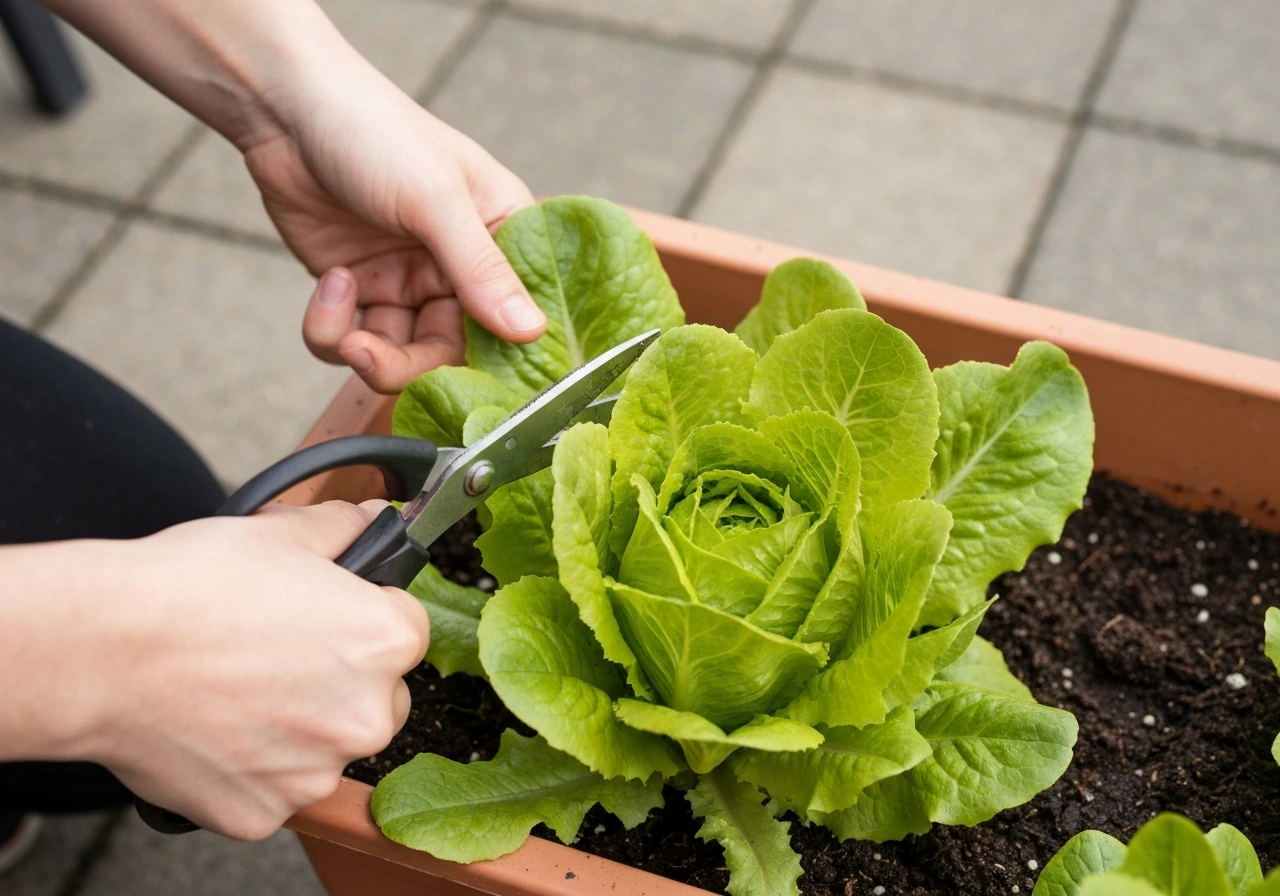
Cut-and-come-again is the most efficient way to harvest patio lettuce. The key is where you cut: use sharp scissors or a knife and cut leaves about 1 to 1. If you are using a patio knife, keep it clean and make smooth cuts to avoid bruising the leaves sharp scissors or a knife. 5 inches above the base of the plant, leaving the crown and growth point intact. Never cut down into the crown itself. After harvesting, water the plant and give it a diluted liquid feed. Within 2–3 weeks you'll have another flush of new leaves ready to cut. You can typically get 3–4 full harvests from a healthy plant this way before it starts to decline. For baby leaves, you can begin harvesting when leaves are 3–4 inches long, usually 30–40 days after planting.
Loose-leaf types like Red Salad Bowl, Oak Leaf, and Black Seeded Simpson are built for this method. Butterhead and cos types are better harvested by removing outer leaves one at a time, or by cutting the whole head when it's formed and then allowing the stump to resprout (though regrowth from heads is less reliable than from loose-leaf types).
How to store harvested lettuce
Harvest in the morning when leaves are cool and crisp. Don't wash the lettuce before storing, moisture on the leaves speeds up decay. Gently shake off any debris, let the leaves air dry briefly if they're damp, and place them in a mesh or loose plastic bag. Store in your crisper drawer, which should be around 32–40°F and high humidity. Loose-leaf and butterhead types stored this way stay fresh for up to 3–4 weeks. If leaves wilt slightly, a quick rinse in cold water and 20 minutes in the refrigerator usually revives them.
Your step-by-step plan: what to do today and this week
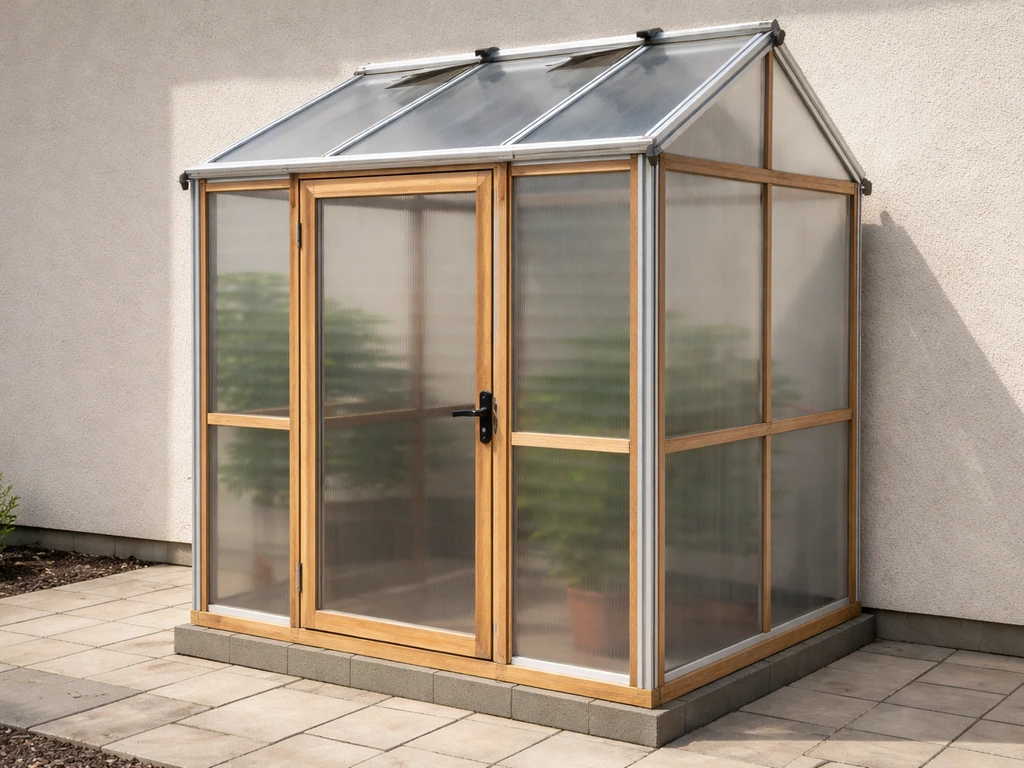
Since it's early July and hot in most of the US right now, today is the time to plan and gather supplies rather than plant outdoors. Here's your concrete action plan: If you want to keep cool-season crops going longer, add a patio greenhouse by enclosing your containers with clear plastic and controlling ventilation.
Today (planning and materials)
- Pick 1–2 varieties: Red Salad Bowl and Little Gem are a solid starting pair for fall patio growing.
- Buy or gather containers: aim for at least 12-inch diameter, 6–8 inches deep; plastic or glazed ceramic preferred for moisture retention.
- Get a quality potting mix and a bag of compost; mix roughly 3 parts potting mix to 1 part compost.
- Identify your patio spot: look for morning sun, afternoon shade, and wind protection. Note where your patio structure (overhang, fence, screen) can help.
- Order or buy seeds now so they're on hand for your late-August sow.
Late August (planting)
- Fill containers with your compost-amended potting mix to about 1 inch below the rim.
- Sow seeds thinly across the surface, press in lightly, and water gently.
- Label containers with variety and date — you'll want to track this for successive sowings.
- Start a second container 2–3 weeks after the first for a staggered harvest.
- Set up saucers under each pot and empty them after every watering.
Weeks 1–4 (establishing)
- Check soil moisture daily — stick your finger an inch into the mix. Water when it feels dry.
- Thin seedlings once they're 2 inches tall; aim for 4–6 inches between loose-leaf plants.
- Watch for aphids on leaf undersides; blast with water spray if spotted.
- Apply a balanced liquid feed at half strength at the 3-week mark if you didn't add compost at planting.
Weeks 5–8 and beyond (harvesting)
- Begin harvesting baby leaves at 3–4 inches tall (roughly 30–40 days in) using the cut-and-come-again method: cut 1–1.5 inches above the crown.
- Water and feed after every harvest to encourage regrowth.
- Check for signs of bolting (central stem stretching) and harvest immediately if you see it.
- Start your third successive sowing now if your first batch is winding down.
- Store harvested leaves dry in the crisper; enjoy fresh lettuce from your patio through October or November.
Growing lettuce on a patio is one of the most rewarding beginner container projects you can tackle, the turnaround is fast, the varieties are forgiving, and the payoff (fresh salad greens steps from your door) is immediate. Once you have the container setup dialed in, it's easy to expand into other patio edibles. Strawberries and compact tomatoes are natural next steps if you want to turn your patio containers into a more productive mini-garden. To get strawberries thriving in containers too, follow a focused guide on how to grow strawberries on patio.
FAQ
How do I tell when my container lettuce needs water (and avoid overwatering)?
For patio lettuce, aim for consistent moisture in the top 1 to 2 inches, but water slowly enough that some drains out the bottom. If you’re using saucers, empty them 10 to 20 minutes after watering so the potting mix stays moist, not waterlogged.
Can I grow lettuce on a patio in the middle of summer if I start early? Or should I wait for fall?
Yes, but only with the right timing and ventilation. In peak summer, start seeds in late August or use mid-summer indoor sprouting under lights, then harden off for a few days outdoors in shade before moving them under your patio structure.
What’s the best way to sow lettuce seeds in containers without getting leggy or overcrowded plants?
Thinly sowing is best. If you sow too dense, you’ll get weak, cramped plants that are more prone to mildew and bolting. After sprouting, remove extras so plants have the spacing you plan for (typically 4–6 inches for loose-leaf, 6–8 inches for compact cos).
My patio has intense afternoon sun, what are the best ways to protect lettuce besides moving it?
Choose cooler edges of your patio. If you can, rotate pots every few days so the same side doesn’t cook in afternoon sun, and consider light-colored pot feet or a small stand to reduce heat transfer from concrete.
If my lettuce starts to bolt, should I harvest what’s left or remove the plant?
If bolting has started (stretching center, narrowing leaves, bitter flavor), harvesting the leaves that remain is usually still worthwhile for a short time, but don’t expect sustained regrowth. Pull the plant and restart with a fresh sowing so you’re not fighting a lost growth cycle.
How much fertilizer should I use for container lettuce, and how do I avoid tipburn from feeding?
Light fertilizing helps, but the goal is regular, moderate feeding. A balanced liquid feed every 2 to 3 weeks is safer than frequent stronger doses, because overdoing nitrogen or salts in containers can worsen tipburn risk, especially in inconsistent watering.
Does long daylight make lettuce bolt faster even if temperatures are not extreme?
Bolting isn’t just heat, it’s long-day conditions too. When day length and temperatures rise, lettuce bolts faster, so use successive sowing (new pots every 2–3 weeks), and prioritize shade in the afternoon to slow the transition.
If I see tipburn (brown leaf edges), what should I do immediately?
For tipburn prevention, moisture consistency matters more than calcium supplementation. If you see edges browning, keep watering regular, harvest outer leaves to reduce stress, and avoid switching fertilizer types or increasing potassium after the problem starts.
How can I water lettuce to prevent downy mildew in a sheltered patio?
Try to avoid soaking the crown. Water at the base or soil line, and use morning watering so leaves dry quickly if any water splashes up. This reduces downy mildew risk and keeps plants from spending nights in damp foliage.
What’s the best way to harvest and store patio lettuce so it stays crisp longer?
For best texture, harvest early in the day when leaves are cool, and don’t wash right before storage. If you need to wash, let leaves fully dry (even a brief air-dry) before bagging to prevent condensation and faster spoilage.
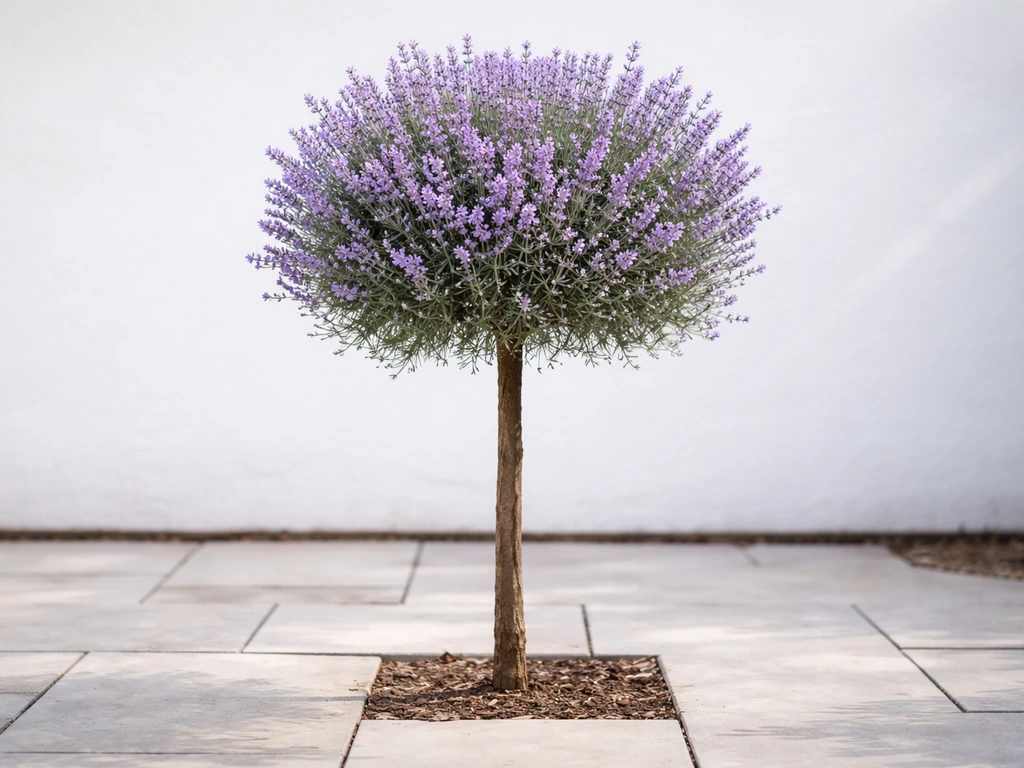
Step-by-step pruning for lavender patio trees: when, how much to cut, shaping rules, and aftercare for healthy regrowth.
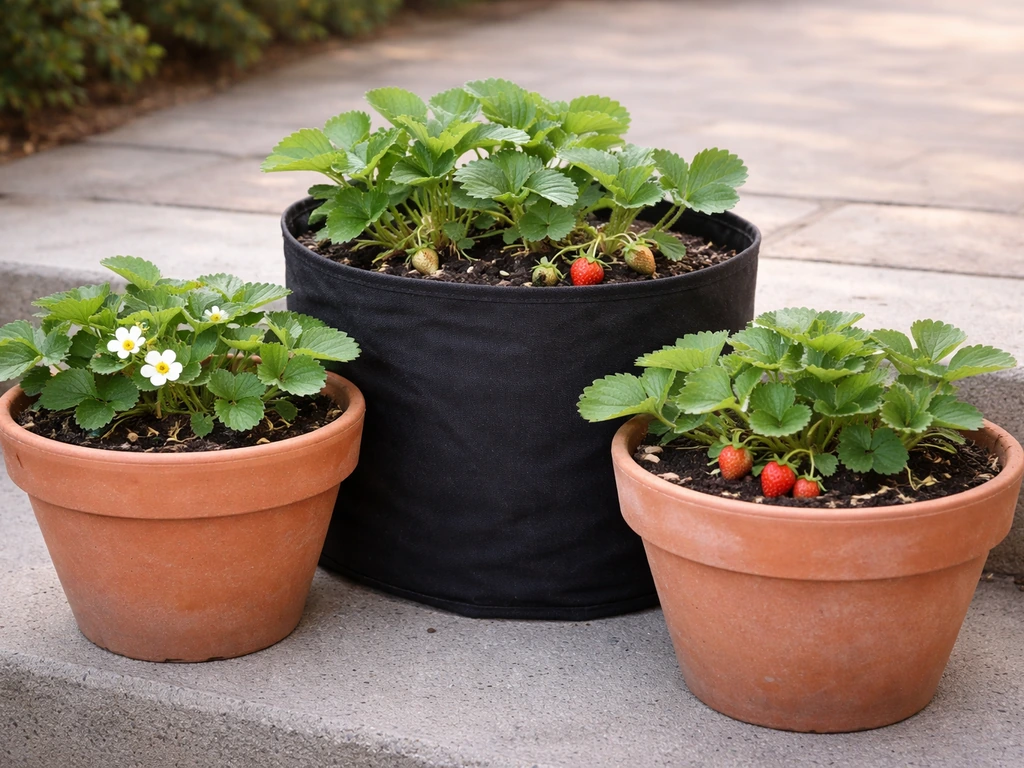
Step-by-step container guide to grow patio strawberries: varieties, pots, soil, watering, feeding, pests, overwintering,
Step-by-step DIY patio greenhouse build: layout, materials, ventilation, sealing, and seasonal climate control tips for