
You can grow strawberries on a patio with nothing more than a few containers, good potting mix, and a sunny spot. Pick a day-neutral variety, plant it in a container at least 10 inches deep with solid drainage, give it 8 hours of direct sun, keep the soil consistently moist (but not soggy), and you will get fresh berries from late spring all the way to first frost. The biggest mistakes people make are choosing the wrong variety, using a container that is too small, or watering inconsistently. Get those three things right and the rest falls into place.
How to Grow Strawberries on a Patio: Container Guide

Felix Brennan
17 Jun 2026
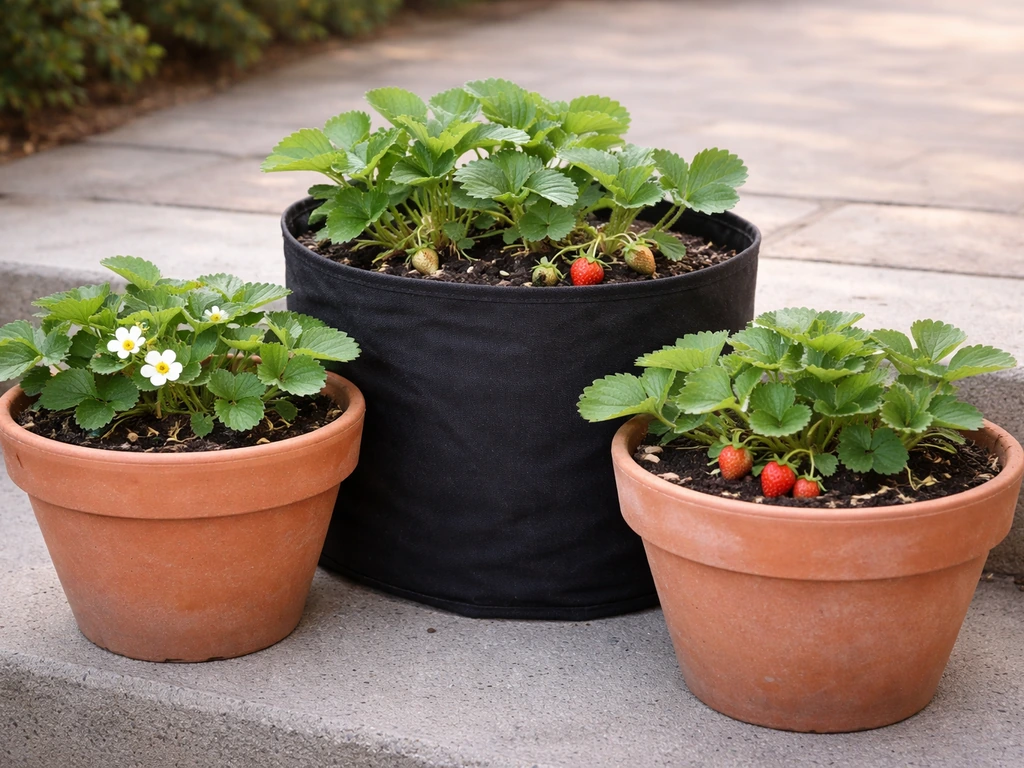
Picking patio-friendly strawberry varieties
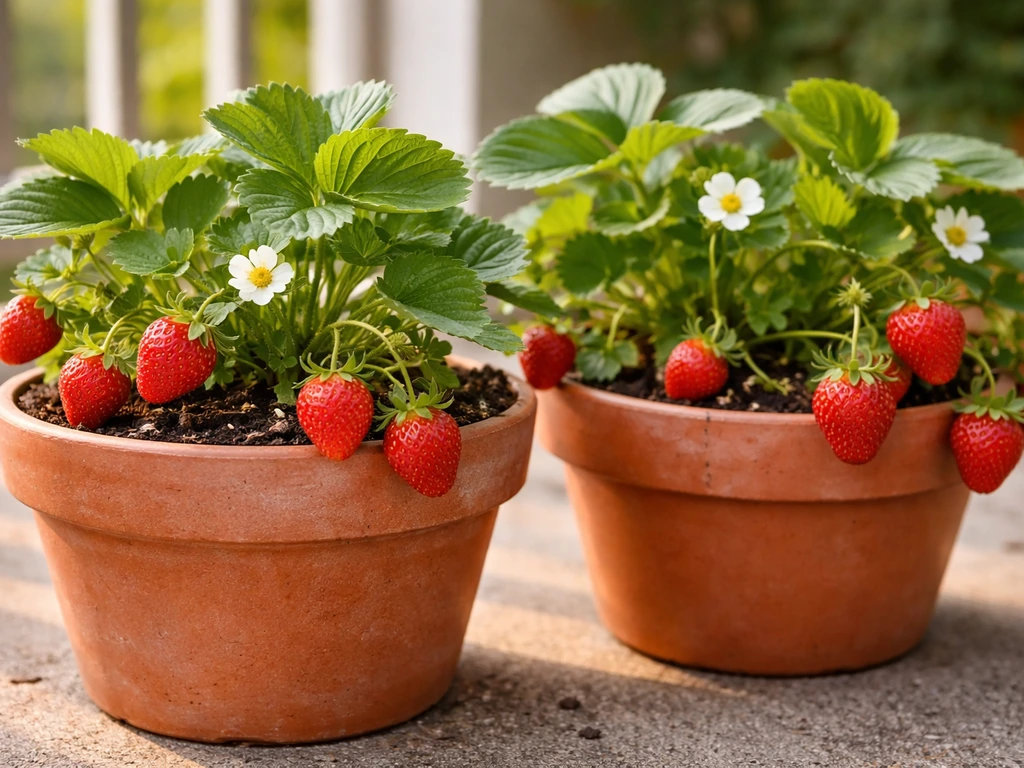
Not every strawberry type works equally well in containers. There are three main categories: June-bearing, everbearing, and day-neutral. For patio growing, day-neutral varieties are your best bet by a wide margin. Oregon State University Extension recommends them specifically for container growing, and for good reason: day-neutral strawberries flower continuously from June all the way until the first hard frost, regardless of day length. That means a long harvest window instead of one concentrated two-week flush in early summer.
Everbearing types are a solid second choice, especially if you want a slightly larger berry or prefer a variety you can find easily at a local nursery. They produce two main flushes (spring and fall) with some fruit in between. June-bearing plants can technically be grown in containers, but they give you one short harvest window per year, and their runner production can get out of hand in a pot. If you are working with limited patio space and want the most fruit for the season, stick with day-neutral.
Good day-neutral varieties to look for include Albion, Seascape, Tristar, and Tribute. Albion holds up well in heat and produces large, flavorful berries. Seascape is reliable in coastal and mild climates. If you want something ornamental that still produces edible fruit, Iowa State University Extension mentions the Summerbreeze series and varieties like Beltran as options that look great in hanging baskets while still delivering real strawberries.
Container and potting setup: size, drainage, and soil mix
Choosing the right container
Container size matters more than most people think. Strawberry roots are relatively shallow (most live in the top 6 inches of soil), but the container still needs enough volume to hold moisture consistently without drying out every few hours. Oregon State University Extension recommends containers between 10 and 18 inches deep, and larger containers are more likely to succeed over multiple seasons. A standard 12-inch pot works well for up to four plants. A half-barrel planter or a wide rectangular planter gives you room for a productive little row.
Your container options include terra cotta pots, plastic nursery pots, fabric grow bags, wooden planters, and hanging baskets. Each has trade-offs. Terra cotta looks great but dries out fast, which is a real problem on a hot patio in July. Plastic and fabric grow bags retain moisture better and are lightweight enough to move easily.
Hanging baskets work for trailing or ornamental strawberry varieties, but they dry out the fastest of all and need watering once or twice a day in peak summer. Strawberry jar planters with multiple side pockets are eye-catching but genuinely tricky to water evenly, as Iowa State Extension warns: maintaining consistent moisture at all levels is difficult with those tiered systems. For reliable production, a wide, relatively deep pot or grow bag is the practical choice.
| Container Type | Depth | Moisture Retention | Best For |
|---|---|---|---|
| 12-inch plastic/resin pot | 10–12 inches | Good | 2–4 plants, easy care |
| Fabric grow bag (5–7 gal) | 10–14 inches | Good (air prunes roots) | Single plant or small grouping |
| Half-barrel planter | 12–18 inches | Excellent | 6–8 plants, multi-season use |
| Hanging basket | 6–8 inches | Poor (dries fast) | Ornamental/trailing types |
| Strawberry jar planter | 12–16 inches | Variable by level | Display; harder to maintain evenly |
Drainage and potting mix
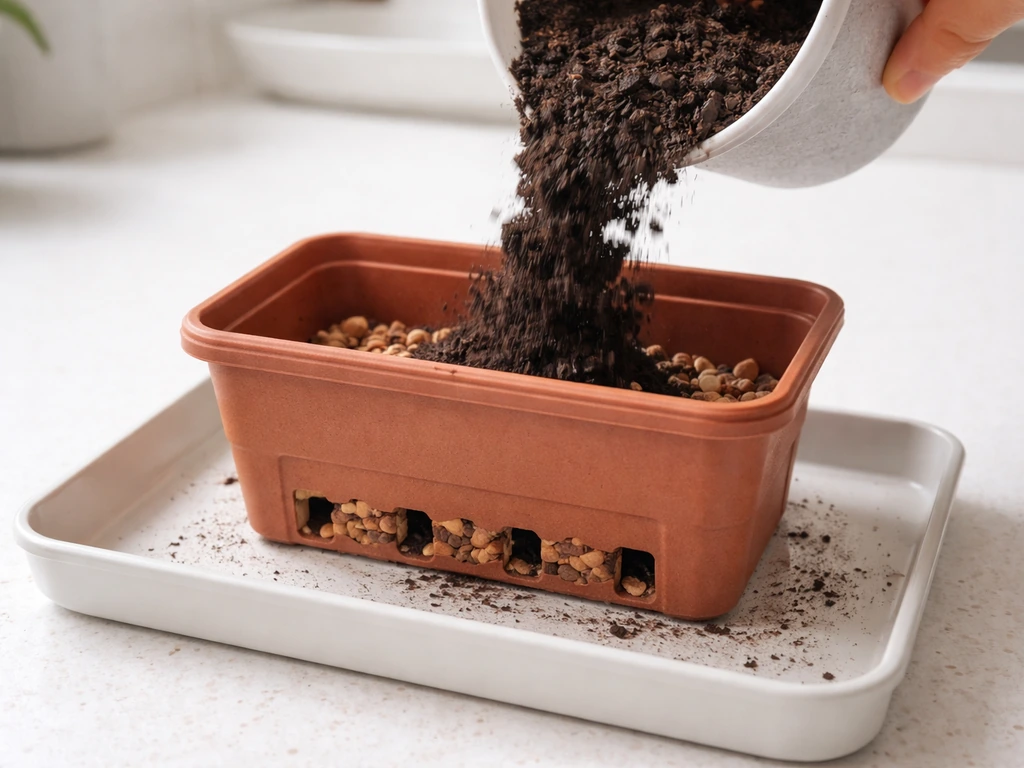
Every container must have drainage holes, full stop. Strawberries sitting in wet soil will rot from the crown down. If your decorative planter has no drainage holes, use it as a cachepot and drop a draining liner pot inside. Add a thin layer of gravel or broken pottery over the drainage holes before filling with soil to prevent the mix from washing out.
Do not use garden soil in containers. It compacts, drains poorly, and often carries disease. Use a high-quality commercial potting mix as your base. Strawberries prefer slightly acidic conditions, with a target pH between 5.
6 and 6. 5. Most commercial potting mixes fall right in that range naturally, which is one advantage of container growing over in-ground. To give the plants an extra boost, mix in some perlite (about 20% by volume) to keep the mix airy and fast-draining, and add a slow-release granular fertilizer at planting.
Some growers also add a handful of acidic amendments like sulfur or use an azalea/blueberry potting mix blend to dial in pH, though note that container pH can shift over the season as you water.
Planting and placement for patio sunlight
Strawberries need full sun, and that means a genuine 8 hours of direct sunlight per day. This is not negotiable if you want fruit. Both USU Extension and UMN Extension are clear on this: less sun means fewer flowers, smaller berries, and weaker plants. Before you plant anything, spend a day watching where the sun actually hits your patio and for how long. A south-facing or west-facing patio is usually ideal. East-facing is workable. A heavily shaded or north-facing patio will frustrate you.
One big advantage of patio growing is that you can move containers to follow the sun. If your patio has a shaded corner in the morning but full afternoon sun, move the pots out to the sunny zone during the day. If you have a screened or enclosed patio, check whether the screening material cuts light significantly. Light-colored or fiberglass screen mesh usually transmits 80% or more of available light, which is workable.
Darker, more opaque screen materials can drop that considerably and may not give strawberries the light they need. In that case, position your containers as close to the screen panels or doorway openings as possible to maximize exposure. If you are also planning leafy greens, check out how to grow lettuce on patio so you can match light and watering needs across crops.
When planting, place the crown (the thick nub where the leaves emerge from the roots) right at soil level. Not buried, not sitting proud above the soil. Burying the crown causes rot; planting too high exposes the roots and dries them out. Space plants about 6 to 8 inches apart within the same container. That spacing is what University of Minnesota Extension recommends for good airflow and disease prevention.
Patio heat is a real consideration in summer. Containers sitting on a concrete or stone patio in direct sun can get surprisingly hot on the sides and bottom, which stresses roots. Elevating containers slightly on pot feet or a wooden rack helps air circulate underneath and keeps the soil from overheating. Dark-colored pots absorb more heat than light-colored ones. Day-neutral strawberries grow best between about 45°F and 85°F, so once your patio is consistently above that upper range in peak summer, you may notice a temporary pause in flowering and fruiting. That is normal and not a sign something is wrong.
Watering and fertilizing for container strawberries
Watering
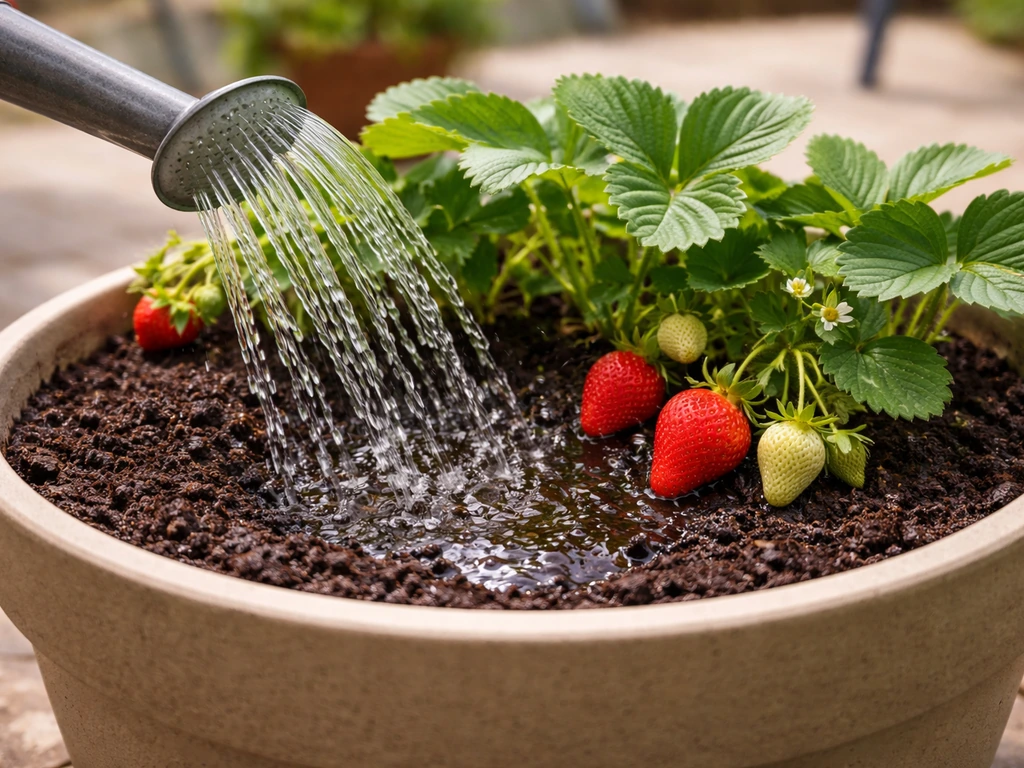
Consistent moisture is the single most important factor in getting good fruit set. Container strawberries dry out much faster than in-ground plants, especially in warm weather. During the establishment period (first few weeks after planting), aim for roughly 1 inch of water per week. Once plants are in active production, bump that up to 1 to 2 inches per week, adjusted based on how quickly your specific containers dry out.
Check containers by sticking your finger about an inch into the soil. If it feels dry at that depth, water thoroughly until water runs freely from the drainage holes. In hot summer weather, some containers may need daily watering. The goal is to keep the soil consistently moist but never waterlogged.
How you water matters as much as how often. Wet foliage is an invitation for gray mold (Botrytis), the most damaging disease strawberries face. Water at the soil level, not over the top of the plants. A watering can with a long spout, a drip irrigation setup, or a soaker hose laid around your containers all work well.
When you are pruning or harvesting, a patio knife can make quick work of stems and ripe berries with less damage to the plants. If you do have to overhead water, do it early in the morning so the leaves have time to dry before evening. A small drip irrigation timer connected to a few micro-drip emitters is genuinely worth the modest investment if you have multiple containers.
Fertilizing
Container plants need more frequent feeding than in-ground plants because nutrients leach out with each watering. Start regular fertilizer applications between 2 and 6 weeks after planting, once plants show active new growth. For the vegetative stage (lots of leaves, not yet flowering heavily), a balanced fertilizer like a 10-10-10 works fine. Once plants are actively flowering and setting fruit, switch to a fertilizer with higher phosphorus or potassium relative to nitrogen, like a tomato food or a bloom-booster formula.
To complete your patio tomato setup, you’ll also want to choose a suitable container size and drainage, then follow a consistent watering and feeding schedule throughout the growing season tomato food. Too much nitrogen during fruiting pushes leafy growth at the expense of berries.
A practical schedule: use a slow-release granular fertilizer at planting, then apply a liquid fertilizer every 2 to 3 weeks through the growing season. Cut back on feeding in late summer to early fall to let plants harden off before winter. If you are on a screened or covered patio where rainfall does not reach your containers, be especially attentive because there is no natural rainfall to supplement your hand watering, and nutrients will leach faster with frequent irrigation. For patio fruit trees, consistent watering, proper container size, and seasonal pruning will make the biggest difference in health and harvest.
Pest, disease, and fruit protection on patios
Gray mold is your biggest enemy
Botrytis gray mold causes more loss of strawberry flowers and fruit than any other disease, according to both Penn State Extension and the University of Connecticut IPM program. It thrives in humid, wet conditions, especially when foliage is thick and berries are shaded. On a patio, dense plantings in poorly ventilated spots are most at risk. The symptoms are unmistakable: gray fuzzy coating on fruit, often starting at the tip or any bruised spot.
Prevention is far more effective than treatment. Water at the base of plants, not overhead. Space plants so air can move freely between them. Remove any dead leaves, rotting berries, or spent flowers immediately. A thin layer of mulch on top of the potting soil helps prevent soil from splashing up onto the lower leaves and fruit during watering. If gray mold does show up, remove all affected material right away and dispose of it away from your patio, not in your compost pile.
Common pests and what to do about them
Aphids and spider mites are the two most common pests on patio strawberries. Both tend to attack when plants are stressed, especially in hot dry weather. Check the undersides of leaves regularly. For aphids, a strong spray of water from a hose knocks most of them off immediately. If the infestation is heavier, insecticidal soap spray is effective and safe: UC IPM notes it can reduce aphid numbers by about 50% per application. For spider mites, the same approach works, and neem oil or azadirachtin-based sprays are effective options for both pests. Apply either product in the early morning or evening to avoid burning leaves in direct sun.
Birds are another patio frustration, since ripe strawberries are easy targets on an open container. A simple solution is bird netting draped over your containers during the fruiting period. If your patio is screened or enclosed, birds are largely not an issue, which is one genuinely practical benefit of enclosed patio growing for strawberries. Slugs can show up in wetter conditions; a shallow dish of beer near containers or diatomaceous earth around the pot base both work without chemicals.
Ongoing care: runners, pruning, and seasonal maintenance
Strawberries send out long stems called runners, which eventually root and create new daughter plants. In a container, runners are mostly a distraction. They pull energy away from the mother plant and the fruit it is trying to produce. For day-neutral and everbearing varieties in pots, pinch off runners as they appear throughout the season. This keeps the mother plant productive and prevents the container from becoming an overcrowded mess.
The exception is if you want to propagate new plants. In that case, allow a runner to root in a small adjacent pot filled with potting mix. Once the daughter plant is established and growing its own roots (usually 4 to 6 weeks), snip the runner stem connecting it to the mother. OSU Extension notes that for June-bearing strawberries, flower buds for next year's crop form in late summer, so late-rooted runners from that type tend to be less productive. For day-neutrals you are running in pots, runner removal is generally the right call.
Throughout the season, do light pruning to remove dead or yellowing leaves and spent flower stalks. If you are also growing a lavender patio tree, the same pruning mindset applies: trim lightly to shape and remove spent growth rather than cutting back too aggressively how to trim a lavender patio tree. This improves airflow and keeps plants tidy. After the main fruiting period winds down in fall, cut the foliage back by about a third to encourage the plant to focus energy on root development before winter. Avoid heavy pruning in late spring or during active fruiting.
Overwintering strawberries in patio containers
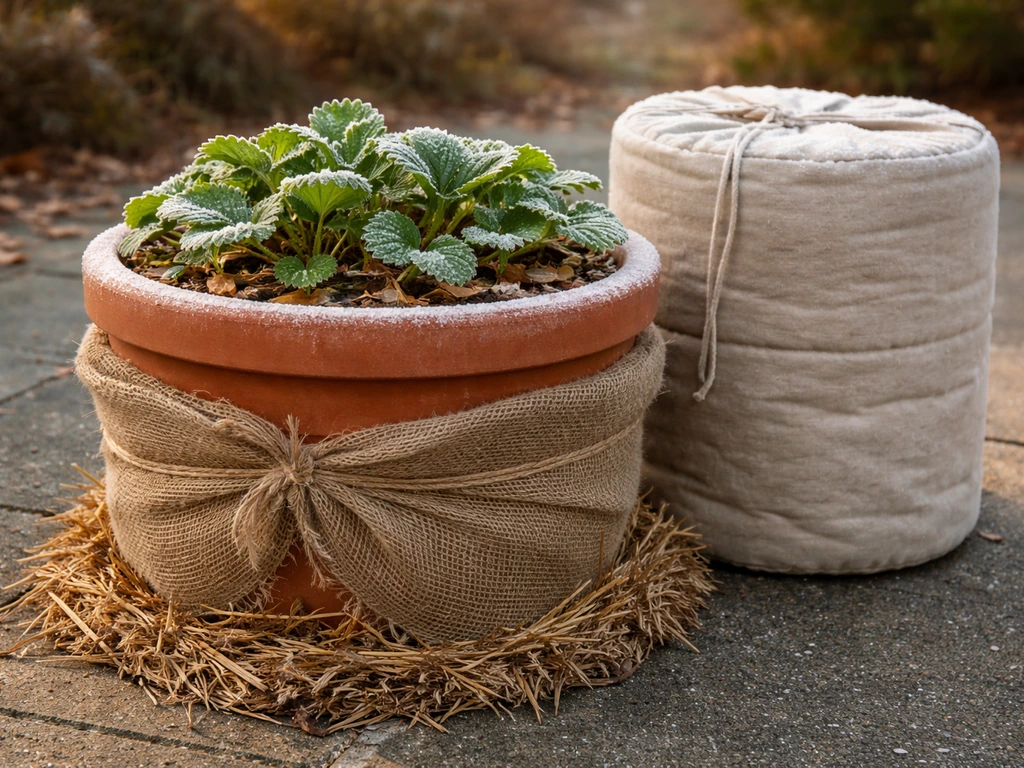
Container strawberries are significantly more vulnerable to winter cold than in-ground plants. The roots are exposed to ambient air temperature on all sides of the pot, not insulated by the earth. UMN Extension notes that the strawberry crown can be killed at around 15°F. In a pot sitting on a patio, the root zone can easily reach that temperature even when ambient air temps are a bit higher.
Your main overwintering options depend on your climate. In mild climates (USDA zones 7 and above), containers usually survive winter outdoors with a good layer of straw or wood chip mulch over the soil surface and some protection against hard freezes. In colder climates (zones 6 and below), you have better options: move containers into an unheated but protected space like a garage, shed, or enclosed patio for the winter. The goal is not to keep plants warm, just to prevent the root zone from freezing solid. An unheated garage that stays above 15°F is ideal.
If your patio is enclosed or has an insulated patio ceiling structure, that built-in wind and frost protection can be enough in milder climates. But if temperatures regularly drop into the teens in your area, do not count on the enclosure alone. Move the containers inside.
UMN Extension's timing guidance for mulching is practical: wait until daytime temperatures have been consistently below freezing for at least 3 days before mulching or covering. Going too early can cause plants to hold too much moisture. In spring, remove mulch when snow and ice have fully melted to prevent excess moisture and crown rot.
Troubleshooting common patio strawberry problems
| Problem | Likely Cause | Fix |
|---|---|---|
| Few or no flowers | Not enough sun, too much nitrogen, or plants need more time to establish | Ensure 8 hours direct sun; switch to bloom fertilizer; be patient with newly planted day-neutrals |
| Rotting fruit | Gray mold (Botrytis) from overhead watering or poor airflow | Water at soil level; remove affected fruit immediately; improve container spacing |
| Wilting despite watering | Root rot from poor drainage, or overheating on hot concrete | Check drainage holes; elevate pots; switch to lighter-colored or fabric containers |
| Pale or yellowing leaves | Nutrient deficiency (often nitrogen or iron in acidic mix) | Resume or increase fertilizing; check pH; consider iron supplement if yellowing is between leaf veins |
| Small or tasteless berries | Inconsistent watering, too little sun, or overcrowded container | Water consistently; thin plants to 6–8 inches apart; move to sunnier spot |
| No fruit after overwintering | Crown damage from hard freeze in exposed container | Protect containers more aggressively next winter; bring indoors if temps drop below 15°F |
One final note: if you enjoy growing edibles on your patio, strawberries pair really well with other container crops. If you want to extend your season further, you can add a patio greenhouse setup over your containers to protect plants from cold snaps and wind. The same principles around sun, container depth, and consistent watering apply to growing lettuce on a patio, and the care routines overlap a lot.
If you want to expand beyond strawberries, patio fruit trees in containers are another rewarding step, though they need larger containers and a longer-term commitment. For now, a few pots of day-neutral strawberries on a sunny patio will give you fresh fruit from early summer to frost with surprisingly little effort once the setup is right.
FAQ
What’s the minimum container size to grow strawberries on a patio if I only have room for one plant?
Aim for at least a 10-inch deep container with drainage holes. Depth matters because it buffers temperature swings and holds moisture longer, even though most roots sit in the upper soil layer. If you only have a shallow pot, you’ll almost certainly need more frequent watering and feeding, and heat stress will show up faster on hot days.
Can I use a self-watering planter or tray system for patio strawberries?
It can work, but only if the roots never sit in a water reservoir. Strawberries are prone to crown rot when the mix stays waterlogged, so use self-watering containers only if the design includes a way to keep the soil near the crown from staying wet. As a safety check, empty any excess water and verify that drainage is effective after each watering.
How do I prevent overwatering on a covered patio where it rains less?
Because rainfall contribution is reduced, you’ll need to rely on soil checks more than a schedule. Stick your finger about an inch into the mix, water only when that depth feels dry, and reduce watering frequency after cool cloudy stretches. Also make sure the potting mix is not compacted, if your mix gets dense, replace or top-dress with fresh potting mix so water moves through instead of pooling.
Should I fertilize right away after planting, or wait until flowers appear?
A slow-release granular fertilizer at planting is a good start, then begin regular liquid feeding after about 2 to 6 weeks, once you see active new growth. If you see lots of leaves but no blossoms, it’s often too much nitrogen, switch to a fertilizer formulated for fruiting or reduce nitrogen-heavy feeding.
What mulch can I use on top of patio pots, and will it help or hurt?
Light, non-compacting mulch helps reduce splash and keeps the top of the mix from drying and muddying foliage. Use a thin layer, avoid burying the crown, and keep mulch off the crown to prevent rot. If you cover too early in warm spells, mulch can trap moisture and increase the risk of gray mold.
Do I need to pinch flowers off early in the season to get a better harvest later?
For day-neutral strawberries in containers, it’s usually better to let them flower and harvest, because they produce over a long window. However, during the first few weeks after transplanting, you can reduce stress by keeping the soil steadily moist and avoiding heavy feeding. If plants are clearly struggling (wilting despite moist soil), hold back on fruiting until they establish rather than forcing growth with extra fertilizer.
How can I tell if my strawberries are getting enough pollination on a patio?
Even though strawberries can set fruit without perfect conditions, you’ll get better results with pollinator activity. If blossoms drop or fruit never forms, try lightly tapping flower clusters or using a soft brush to transfer pollen early in the day, especially if your patio is screened or enclosed where bees have limited access. Consistent sun and not overwatering are also key, weak flowering is often light stress rather than pollination.
What temperature is too hot for patio strawberries in containers, and what should I do during heat waves?
Day-neutral plants grow best roughly between 45°F and 85°F, above that they may pause flowering temporarily. During heat waves, protect roots by using light-colored pots, placing containers where air can circulate, and watering more consistently so the mix does not dry out. You can also move pots to a spot with a bit of afternoon protection if it still gets near-8-hours of usable sun.
How often should I rotate containers on a sunny patio?
If the light hits from one side or you notice uneven growth, rotate containers every 1 to 2 weeks so both sides get similar sun exposure. This can help keep plants from leaning and improves airflow around the crown area.
Is it okay to compost strawberry leaves and runners, or should I dispose of them separately?
For healthy plants, you can compost typical dead leaves, but if you notice gray mold symptoms (gray fuzzy growth) or rot, do not compost those pieces. Remove affected material promptly and dispose of it away from the patio because spores can spread. For runners, pinch them off during the season unless you’re intentionally propagating, then compost only healthy, disease-free trimmings.
When I see gray fuzz on fruit, what’s the fastest way to limit spread?
Remove any affected berries and any nearby damaged plant parts immediately, then discard them away from your compost. Increase airflow by spacing plants appropriately and pruning dead foliage. Also switch to soil-level watering only, overhead watering and wet foliage make gray mold spread more quickly, especially in dense container plantings.
How do I protect patio strawberries during winter if I don’t have an unheated garage?
In colder zones, you need to prevent the root zone from freezing solid. If you cannot move pots indoors, insulate them by grouping containers together, insulating the outside with straw and an additional barrier like an insulated plant cover, and keeping the crown covered but not buried. Still, in repeated deep-freeze conditions, outdoor container overwintering can fail, so choose the most sheltered spot you have (against a wall, protected from wind).
When should I remove winter mulch or coverings from container strawberries in spring?
Wait until daytime temperatures are consistently above freezing and any snow or ice has fully melted. Removing too early can leave the crown exposed to cold snaps or trap excess moisture, either can trigger crown rot or stunted growth. After uncovering, resume normal watering gradually based on soil moisture rather than guessing by calendar dates.
Next Articles
How to Make a Patio Greenhouse: Step-by-Step DIY Guide
Step-by-step DIY patio greenhouse build: layout, materials, ventilation, sealing, and seasonal climate control tips for
How to Decorate a Long Narrow Patio: Layout Tips
Practical DIY layout and decor tips to widen a long narrow patio using zoning, furniture spacing, lighting, greenery, an
How to Decorate a Rectangular Patio Step by Step
Step-by-step plan to decorate a rectangular patio with smart layout, zones, furniture fit, lighting, plants, and seasona