You can make a small condo patio feel like a real outdoor room even if it's 60 square feet and governed by a list of HOA rules. The key is to work within your actual dimensions, pick one or two functions the space needs to serve, and then choose furniture and decor that earns its place by being multi-functional, appropriately scaled, and durable enough to stay outside year-round. Everything else is just clutter.
How to Decorate a Small Condo Patio: DIY Ideas

Felix Brennan
19 Jun 2026
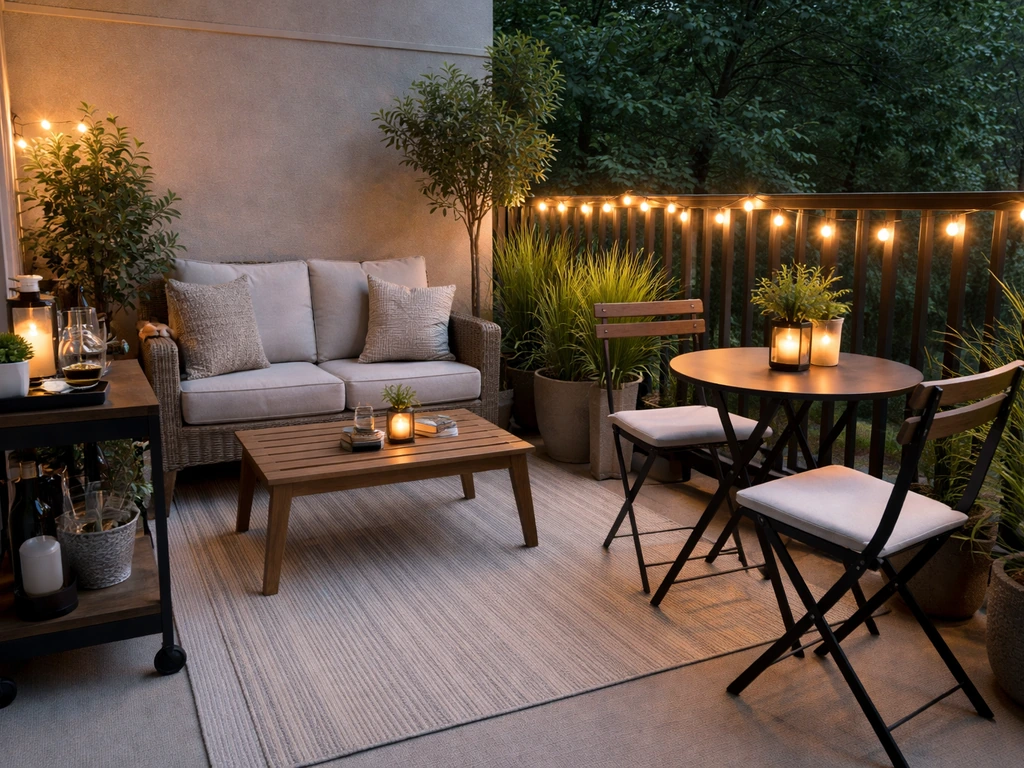
Start with measurements, rules, and a realistic goal
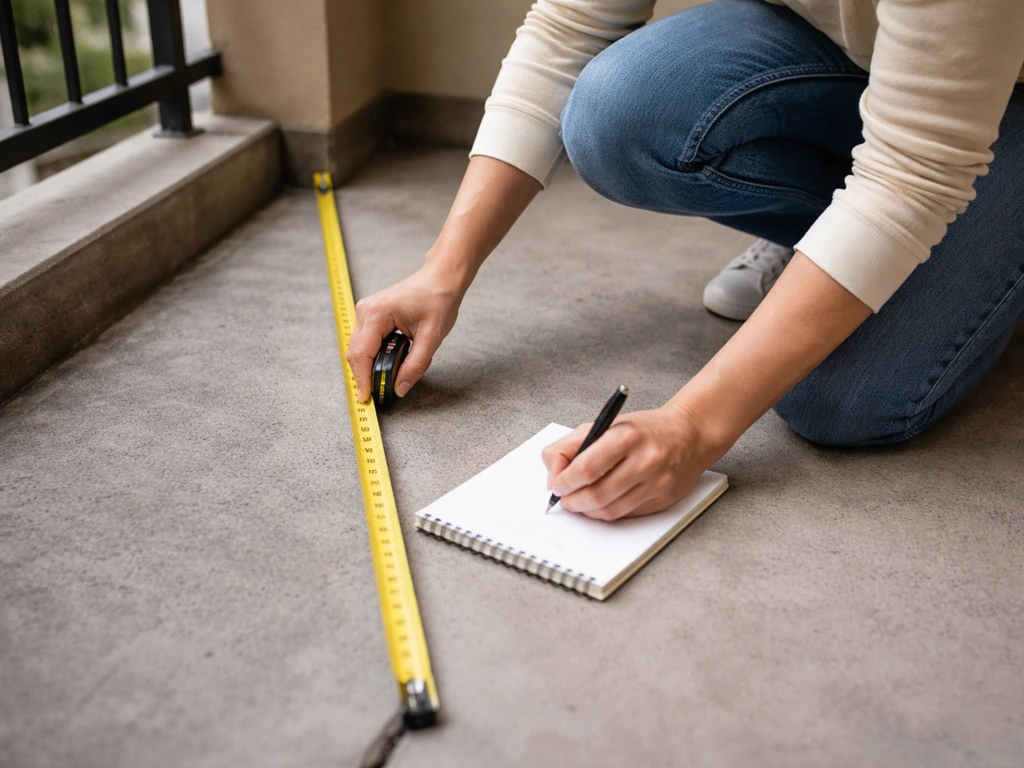
Before you buy a single thing, grab a tape measure and spend 10 minutes on your patio. Write down the length, width, and any awkward angles, columns, or railings. Also note which direction the space faces, how much direct sun it gets, and whether wind is a regular problem. These facts will make every decision downstream easier.
Then read your condo documents before you do anything visible from the outside. This is not optional. HOA and condo association rules vary widely, but many associations require written approval or a formal plan submission before you install anything permanent or semi-permanent, including awnings, shade sails, planters mounted to walls, and even exterior paint or decorative items visible from common areas. Some associations measure height restrictions off the deck surface itself (one common standard caps structures at 12 inches above the deck's high point elevation). Others, like many Architectural Request Committees, require you to submit a form and wait for board approval before making any exterior alteration. If your documents are vague, check with your property manager before you drill a single hole or hang anything on a shared wall. It saves a lot of headaches later.
Once you know your constraints, set one realistic goal for the space. A 60-square-foot patio cannot be a dining room, a lounge, a garden, and a yoga studio at the same time. Pick the primary use: morning coffee spot, evening wind-down seating, container garden, or a compact dining area for two. Everything you choose should support that one function first.
Pick a layout and create functional zones in a small space
Even a small patio benefits from a defined layout. Think of it like a tiny room: you want a clear path to move through it, a focal point, and a sense that each piece belongs somewhere specific. On a patio under 80 square feet, you can usually carve out one main zone (seating or dining) and one supporting zone (plants, storage, or a side table).
Push furniture toward the walls or railing to keep the center of the space open. This makes the patio feel larger and easier to move through. If you have a corner patio, a corner loveseat or L-shaped bench arrangement uses that geometry instead of fighting it. For a narrow rectangular patio, a single bistro table and two chairs placed at one end, with a slim console or planter shelf along the opposite wall, creates a clear front-to-back flow.
Rugs are one of the best zoning tools available. An outdoor rug placed under your seating or dining set visually anchors the zone, makes the space feel intentional, and adds warmth underfoot. For a dining setup, aim for a rug that extends at least 24 to 30 inches beyond the edge of your table on each side so chairs stay on the rug when pulled out. For a bistro table (typically 24 to 30 inches in diameter), a 4x6 or 5x7 rug usually works well. For a larger dining set, step up to a 6x9 or 8x10. Getting this size right matters more than pattern choice.
Space-saving furniture and decor by scale
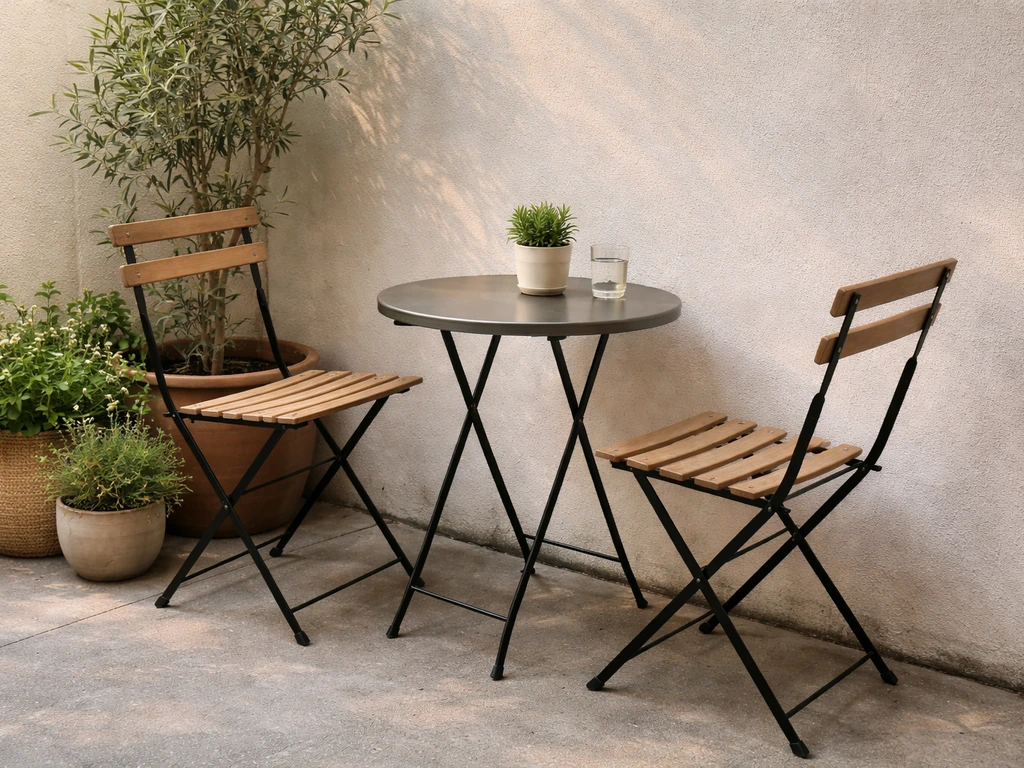
Scale is everything on a small patio. Oversized furniture makes the space feel cramped and dark; furniture that's too small looks lost. Aim for pieces with slim profiles, legs that let you see the floor underneath (which visually opens the space), and a neutral base color you can accent with cushions and textiles.
A bistro set is the single best investment for a small condo patio. Two chairs and a round table in the 24- to 30-inch diameter range seat two people comfortably without eating the whole space. Look for folding or stackable chairs so you can clear the deck when you want more room. If you prefer a lounge setup, a loveseat or two-seat bench with a small side table or footstool that doubles as a coffee table is far more practical than a full sofa.
Go vertical whenever you can. Wall-mounted planters, narrow shelving units, over-railing planter boxes (where your HOA allows), and vertical garden panels all add interest and function without using floor space. A slim storage bench along one wall gives you seating, storage for cushions, and a surface for decor. Hooks on a permitted wall section can hold lanterns, string lights, or a small herb garden in hanging pockets.
| Piece | Best size for small condo patio | Why it works |
|---|---|---|
| Bistro table | 24–30 inch diameter round | Seats 2, doesn't dominate the space |
| Outdoor rug | 4x6 to 6x9 depending on setup | Anchors the zone, adds warmth |
| Loveseat/bench | 48–54 inches wide | Seating for 2 with minimal footprint |
| Side/coffee table | 18–22 inches, or footstool style | Multi-use, easy to move |
| Storage bench | 36–48 inches wide | Seating + hidden cushion storage |
| Vertical planter | Wall-mounted or over-railing | Green without using floor space |
Outdoor-friendly color, style, and visual expansion tricks
Color has a real effect on how large a small outdoor space feels. Light, neutral tones on large surfaces (the floor, the main furniture frames, the wall behind the seating) make the space feel open and airy. Use bolder colors in smaller doses: cushions, throw pillows, a colorful planter, or a patterned rug. This gives you personality without visually shrinking the space.
If your HOA permits exterior surface treatment, painting a dull concrete patio floor a light grey, warm sand, or soft terracotta can completely transform the space. Just follow proper prep: the surface needs to be clean, dry, and free of loose or peeling material before any paint or coating goes down. A clean floor coat is one of the highest-impact, lowest-cost upgrades you can make.
Mirrors rated for outdoor use are a genuinely useful trick on a small condo patio. A framed outdoor mirror mounted on a solid wall reflects light and greenery, making the space look and feel larger. Keep mirrors away from direct rain and check your HOA rules on wall mounting, but on a covered or semi-covered patio they work beautifully. Repeating a simple pattern (same pot style, same cushion fabric) also creates visual cohesion that makes a small space feel designed rather than cluttered.
Pick one style and commit to it. Whether it's Mediterranean bistro, clean Scandinavian, tropical, or modern industrial, a consistent look prevents the cramped-junk-shop feeling that comes from mixing too many unrelated elements. Two or three materials (for example: teak, black metal, and cream textiles) repeated across your furniture and decor creates a unified look without any design experience required.
Lighting, privacy, and shade that also decorate
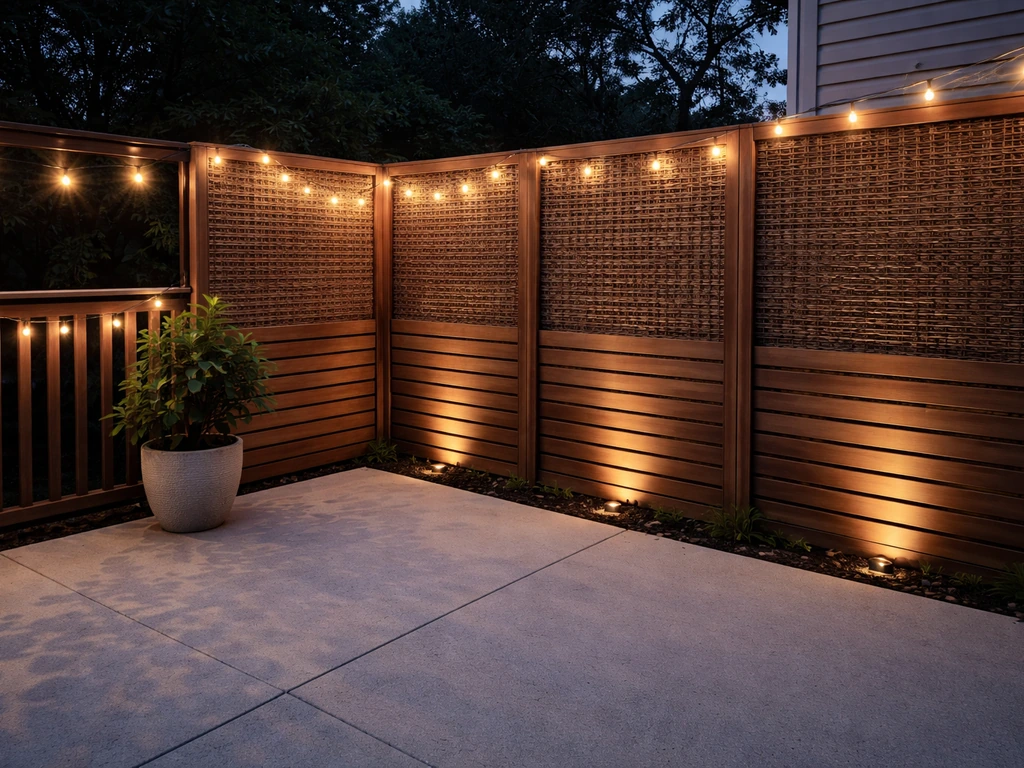
Lighting, shade, and privacy structures do double duty on a small patio: they solve practical problems and they define the space visually. String lights draped along a railing or zigzagged overhead turn a bare concrete square into an inviting room at night. Use outdoor-rated lights with a weatherproof rating, plug them into a GFCI-protected outlet, and don't daisy-chain more than three sets per extension cord. Once you’ve covered the basics, focus on comfort details like cozy lighting, weather-friendly textiles, and smart privacy so you know exactly how to make patio cozy. Keep cords clear of standing water and use only outdoor-approved three-prong extension cords if you need them.
Solar wall-mount lights and solar pathway-style lanterns are a smart option when your patio has decent sun exposure. They need no wiring, they free up your outlet, and wall-mounted versions take up zero floor space. Keep in mind that solar performance drops if your patio is heavily shaded by an overhang or adjacent building, so position panels where they actually get sun during the day.
For shade, a freestanding cantilever umbrella or a compact clamping umbrella (attached to the table) is usually the easiest path that doesn't require HOA approval. Shade sails can look great and provide excellent coverage, but they require secure attachment points that can handle wind loads, and the hardware matters enormously. Undersized brackets and turnbuckles can fail in a strong gust. If you go the shade sail route, use the manufacturer's specified hardware, make sure your anchor points are structurally solid, and check your condo documents for approval requirements first.
Privacy screens add both seclusion and decoration. Lattice panels with climbing plants, bamboo roll shades hung from an overhead structure, or freestanding outdoor privacy screens in a style that matches your furniture all work well. Even a row of tall, potted grasses or bamboo along one edge of the patio creates a soft green privacy buffer. These elements frame the space and make it feel like a room rather than an exposed ledge.
Plants, planters, and seasonal decor that handle condo life
Plants are the fastest way to make a patio feel alive, but container gardening on a condo patio comes with specific challenges: limited root space, faster soil drying, temperature swings that affect roots more severely than in-ground planting, and sometimes intense reflected heat off south- or west-facing walls. Choose plants that genuinely match your conditions. A sun-baked west-facing patio needs heat-tolerant species, while a north-facing shaded patio needs shade lovers. Putting the wrong plant in the wrong spot and watching it die is discouraging and wasteful.
Container plants need more frequent watering than in-ground plants because pots dry out faster, especially in summer heat. Lightweight fabric grow bags or self-watering planters reduce maintenance significantly on a busy week. For winter, containers are vulnerable to freeze-thaw cycles that crack both the pot and damage roots. Virginia Tech extension winter container guidance emphasizes managing moisture and air movement around nursery plants to reduce water loss and limit exposure during winter Preparing for Winter container guidance. Either move frost-sensitive pots inside, wrap them in burlap and insulating material, or choose plants rated two hardiness zones hardier than your location so they can handle the extra exposure.
Keep the planter style consistent with your overall look. Three matching pots in different sizes look intentional; seven different random containers look chaotic. A grouping of three planters (tall, medium, small) in a corner uses vertical space, adds layered greenery, and takes up a fraction of the floor space that spread-out individual pots would need. Seasonal swaps, like replacing summer annuals with fall mums or winter evergreen branches, keep the space looking fresh without a full redesign.
For decor beyond plants, keep it simple and weather-appropriate. A small lantern, a weather-resistant throw stored in your bench seat, one or two outdoor-rated throw pillows in a statement fabric: these are the accessories that make a patio feel personal. Avoid anything that needs to come inside every time it rains. If you can't leave it outside, it's more chore than decoration.
Maintenance, durability, and a quick makeover checklist
The fastest way to ruin a well-decorated small patio is to fill it with furniture and fabrics that deteriorate in a season. If you focus on the right patio upgrades from the start, you can learn how to make your back patio look nice without wasting money on clutter or fast-fading items. Cushions and pillows are the biggest pain point. Look for solution-dyed acrylic fabrics rather than piece-dyed options. Solution-dyed acrylic has the colorant built into the fiber at extrusion, which means it holds up significantly better against UV fading and moisture over multiple seasons. KOTHEA’s outdoor terrace fabric specification guide also describes solution-dyed acrylic as dye incorporated into the fiber during extrusion, and it references typical lightfastness grades such as ISO 105-B02 to indicate UV performance blank" rel="noopener noreferrer">Solution-dyed acrylic has the colorant built into the fiber at extrusion. It costs a bit more upfront, but you won't be replacing faded, mildewed cushions every year.
Furniture frames should be powder-coated aluminum, teak, or high-density polyethylene (HDPE) resin for low maintenance. Cast iron looks beautiful but rusts without regular upkeep. Untreated pine and cheap composite materials warp and crack. If you're buying on a budget, powder-coated aluminum is the sweet spot: lightweight, rust-proof, and easy to wipe clean.
Set a simple seasonal maintenance routine. In spring, wash the floor, wipe down furniture, check for any winter damage to containers and screens, and re-season teak if needed. In fall, store or cover cushions, bring in frost-sensitive plants, and secure any lightweight decor before the first windstorm. This takes an afternoon twice a year and prevents the 'sad, neglected patio' look that accumulates fast when outdoor decor isn't maintained.
If you want a quick starting point for a same-weekend makeover, this checklist covers the highest-impact moves in order of visual payoff: Start by using warm outdoor lighting, a cozy outdoor rug, and weather-friendly textiles to bring your patio to life fast cozy patio essentials.
- Read your HOA documents and note any restrictions on height, attachment, or visible exterior changes
- Measure your patio (length, width, sun exposure, wind direction) and set one primary function for the space
- Sweep and clean the floor; consider a floor paint or sealant if the surface looks worn
- Choose and order a scale-appropriate outdoor rug to anchor your main zone
- Select one furniture set that fits: bistro set for dining, loveseat plus side table for lounging
- Add vertical interest: one planter grouping, a wall-mounted shelf, or over-railing planters if allowed
- Hang outdoor string lights or mount a solar wall light for evening ambiance
- Add two or three solution-dyed acrylic cushions or pillows in your chosen color palette
- Place two or three matching planters with plants suited to your actual sun and climate conditions
- Add one privacy or shade element: umbrella, shade sail, tall potted screen, or bamboo panel
A small condo patio has more potential than most people give it credit for. The limits (size, rules, shared walls) actually force better design decisions. You can't fill it with stuff you don't need, so everything you choose ends up being intentional. If you're also working on making the interior side of your outdoor space more comfortable, the same principles that apply here carry directly into how to make a small patio cozy or how to make an apartment patio look nice. If your goal is comfort as well as style, follow the same ideas for how to make a small patio cozy. The fundamentals don't change: measure first, choose a function, scale your pieces, and make it easy to maintain.
FAQ
Are outdoor mirrors allowed on condo patios, and where should I place them?
Check your condo rules for “decor visible from common areas” and “signage” language, then keep mirrors on solid walls only (not near railings) and use a commercially rated outdoor mirror. Also consider mounting it slightly off-center so reflections do not shine directly into neighbors’ windows at night.
How do I add extra seating to a small condo patio without making it feel cramped?
Start by treating the space like a single “zone” with one rug and one seating setup. If you want more seating, add a folding chair you can tuck behind the bench or on the edge of a wall, rather than replacing your bistro setup with a full dining set and losing flow.
What should I check before painting or coating a condo patio floor?
For painted floors, confirm whether your patio is sealed concrete, has a previous coating, or has moisture issues. In many cases, the right prep means etching or removing loose coating first, and then using an exterior concrete paint/coating meant for foot traffic, plus a sealer if recommended by the product.
What’s the safest way to add shade when I’m worried about wind and HOA approval?
Use freestanding shade first because it avoids wall or railing attachments. If you do need a sail, choose hardware sized for wind loads, install only at approved structural points, and measure the wind exposure of your specific corner since gusts are often worst near openings and rail gaps.
How can I string lights on a small patio without creating a cord mess or safety risk?
If cords are visible, run lighting to a single outlet location using an outdoor-rated extension cord, then hide the cord in a cable cover or along the underside of furniture. Use timers or smart plugs if your patio lights will be on daily, and keep all connections off wet surfaces.
What’s the best way to keep patio cushions from fading or mildewing?
Choose cushions with solution-dyed or UV-stable performance fabric, then pair them with removable covers and a storage option. For rain, use a covered storage bin or keep textiles in a weather-resistant box overnight, because standing moisture accelerates mildew even when fabric is “outdoor rated.”
How many planters should I use on a 60 sq ft patio so it doesn’t look chaotic?
Most small patios do not need a “plant corner” that spreads everywhere. Aim for one tall anchor plant in a corner, one medium plant along the side, and one spill-over plant near the edge of a container, then repeat pot color or material so the grouping looks intentional.
What’s the most realistic way to water container plants when I’m busy?
On condo patios, the easiest way is a self-watering planter, a fabric grow bag with a reservoir, or a drip line you can manage on a schedule. Also adjust watering by season, not calendar, and check soil moisture with a finger test because container soil dries at different rates than you expect.
How should I protect patio containers during freeze-thaw weather?
For winter, do a quick freeze-risk check: if containers are exposed to direct wind, they freeze harder. Move pots under an overhang if possible, wrap pots with insulation, and keep saucers empty of trapped water to reduce freeze-thaw cracking.
How do I choose between modern, Scandinavian, and tropical patio styles so it still looks cohesive?
Pick one material that leads the look, for example powder-coated aluminum or teak, then match the rest with one accent material like black metal or rope details. When mixing styles, stick to consistent lines and colors, otherwise it reads as “random pieces” in a small footprint.
What layout rules should I follow for a narrow rectangular condo patio?
For narrow patios, prioritize front-to-back flow, place the primary seating at one end, and use a slim console or planter shelf on the opposite wall. If you place the rug, ensure it does not block walk paths and keeps at least a narrow clearance so chairs can slide out without catching.
What can I use for privacy if I can’t attach anything to the walls or railing?
If you can’t add structures, use functional privacy first, like stackable outdoor screens or a lattice panel placed in a corner. Match the screen height to what you want to block, and avoid placing it too close to the seating so you still get airflow.
Next Articles
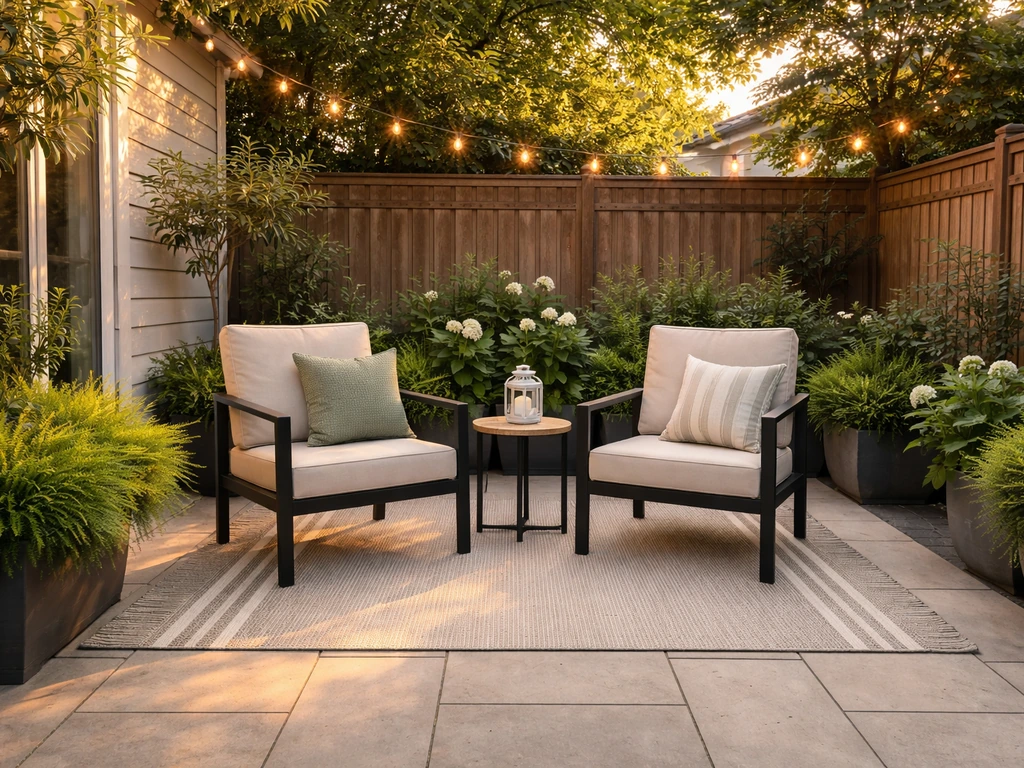
How to Make Your Back Patio Look Nice Step by Step
Step-by-step DIY upgrades to make your back patio look nice, from cleaning and lighting to furniture, greenery, and shad
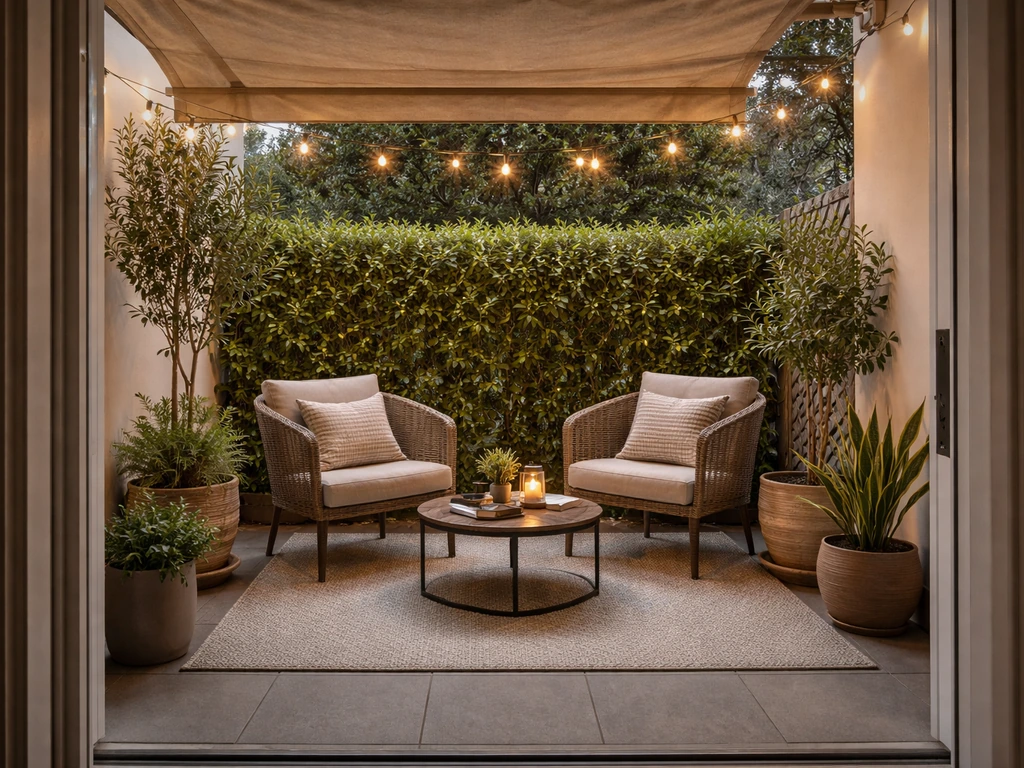
How to Make an Apartment Patio Look Nice Today
Step-by-step DIY ideas to upgrade a small apartment patio today with layout, decor, lighting, privacy, shade, and easy u
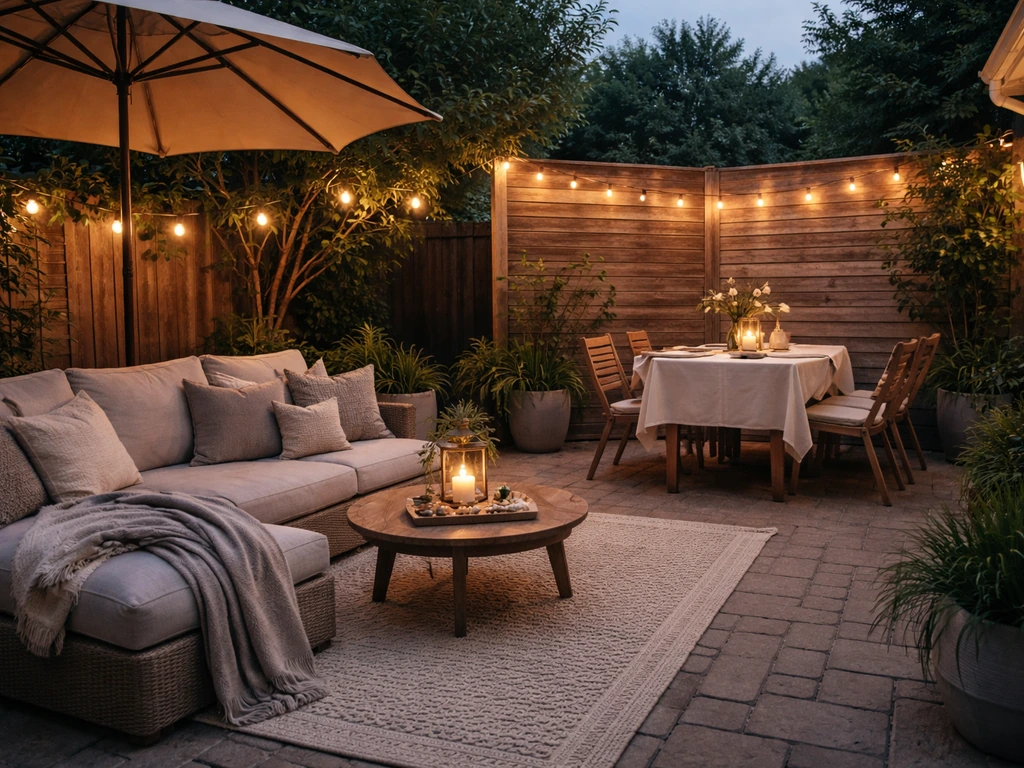
How to Make Patio Cozy: DIY Steps for Any Size
DIY steps to make any patio cozy with smart zoning, sun wind control, warm lighting, and comfort upgrades for large spac