You can make a real difference on an apartment patio in a single weekend without drilling into walls, spending a fortune, or violating your lease. The order that works best: assess what you have and what you're allowed to do, sort out the layout and surface, add weather protection, then layer in lighting, privacy, and decor.
How to Make an Apartment Patio Look Nice Today

Felix Brennan
11 Jun 2026
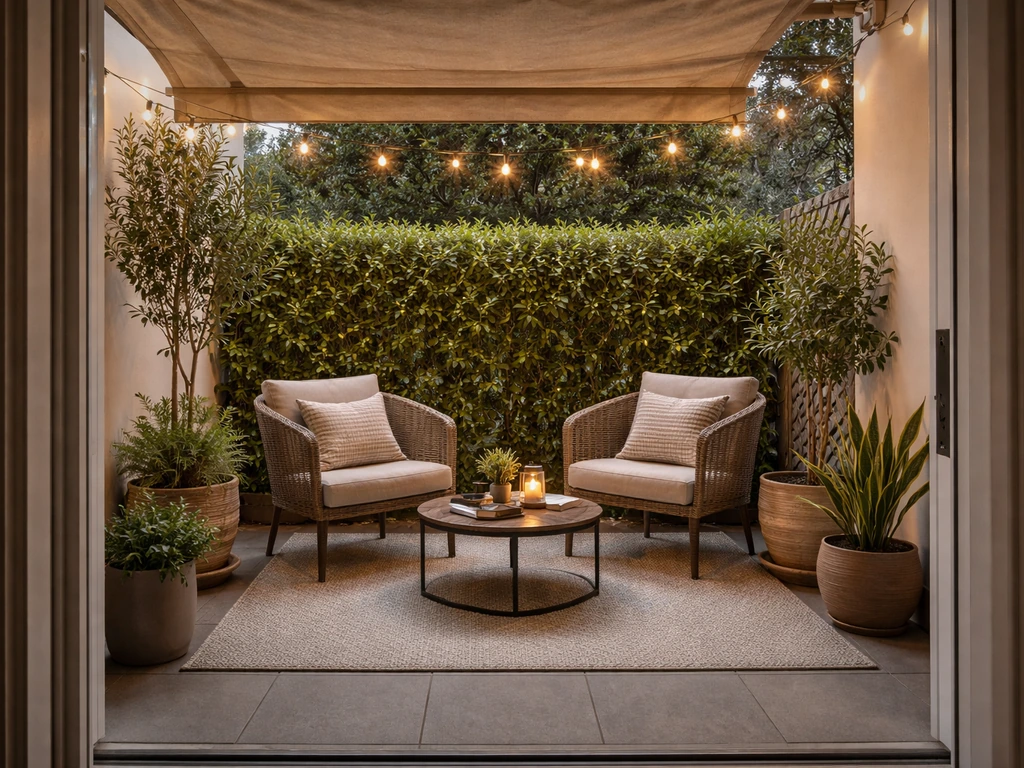
If you apply these same cozy touches in a smart order, your small patio will feel welcoming fast how to make a small patio cozy. If you want a more structured approach, you can follow a step-by-step guide for how to make your back patio look nice. That sequence keeps you from buying furniture before you know your clearances, or hanging string lights before you've dealt with afternoon glare.
Start with a quick assessment before you spend anything
Before anything goes on the patio, pull out your lease and read the balcony or patio section. It's the single most important document to check, especially for anything structural or safety-related. Look for rules about drilling, anchoring, weight limits, open flames, and what you can hang on railings. If you're in an HOA or condo, there's usually a second layer of community guidelines on top of the lease. Local fire codes can also restrict things like propane heaters or string lights with certain bulb types. Spend 20 minutes on this before you buy a single thing.
Next, do a quick physical assessment. Measure the full dimensions of the space, note which direction it faces (sun exposure matters a lot for both plant selection and shade planning), and check whether the floor surface is cracked, stained, or just dirty. Look at your railing condition and note whether you have overhead coverage or a completely open sky. Finally, write down a realistic budget. A basic refresh with a rug, some plants, and lights can run $150–$400. A fuller upgrade with furniture, a shade sail, and privacy screens can run $600–$1,200 or more. Knowing your number upfront keeps you from impulse buying your way into a mismatched patio.
One thing renters often overlook: structural weight limits. Building balconies have load limits, and exceeding them is genuinely dangerous. Heavy planters, large water features, or a full set of cast-iron furniture can add up fast. When in doubt, ask your building manager for the rated load capacity before you stage the space.
Layout, zones, and surface upgrades
Plan your zones first, then buy furniture
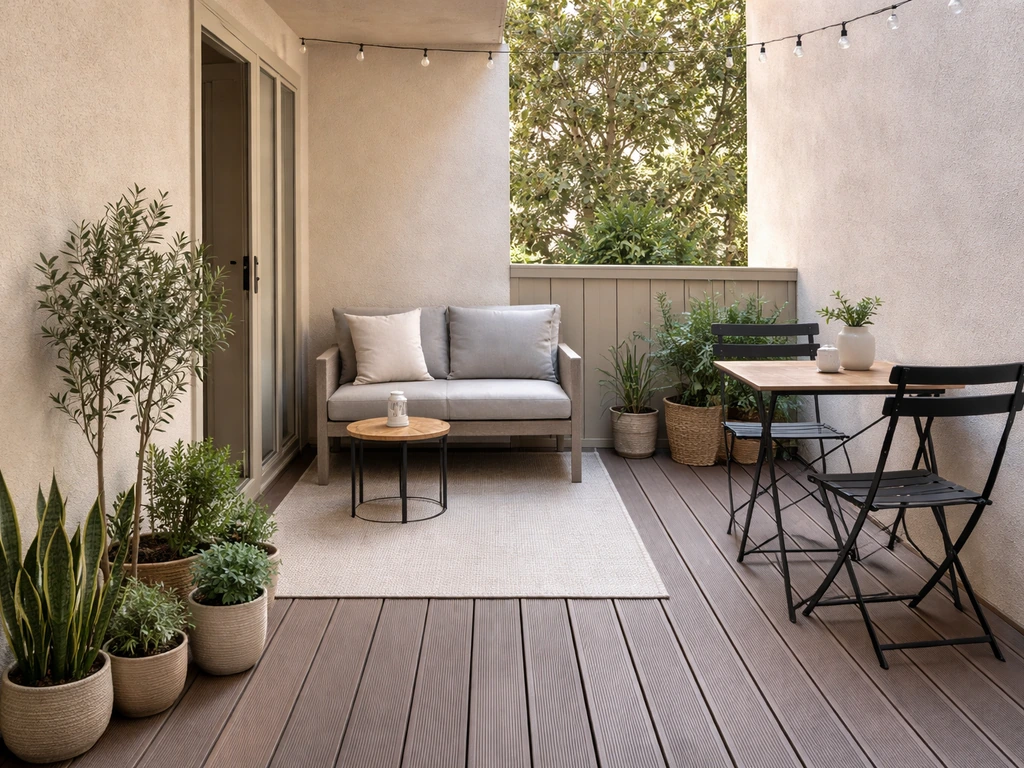
Even a small patio benefits from zone thinking. Most apartment patios can fit one or two of the following: a seating zone (a loveseat or two chairs with a small table), a dining zone (a bistro table and two chairs), or a plant/garden zone along the perimeter. With that in mind, you can follow a clear step-by-step approach to decorate small patios without overcrowding or wasting money how to decorate small patios. Pick which zones matter most to you before measuring for furniture.
Use these spacing numbers as your baseline so the space doesn't feel cramped or become a tripping hazard. blank" rel="noopener noreferrer">Leave 30–36 inches for any main walkway through the patio. Between an outdoor sofa and a coffee table, 14–18 inches is the sweet spot. If you're doing outdoor dining, blank" rel="noopener noreferrer">allow 24–36 inches beyond the table edge so chairs can pull out comfortably. In tighter spots where traffic is lighter, you can squeeze to 24 inches of clearance, but that's your floor. Drawing this out on paper or a free app like Magicplan before buying furniture saves a lot of return headaches.
Fix the floor first
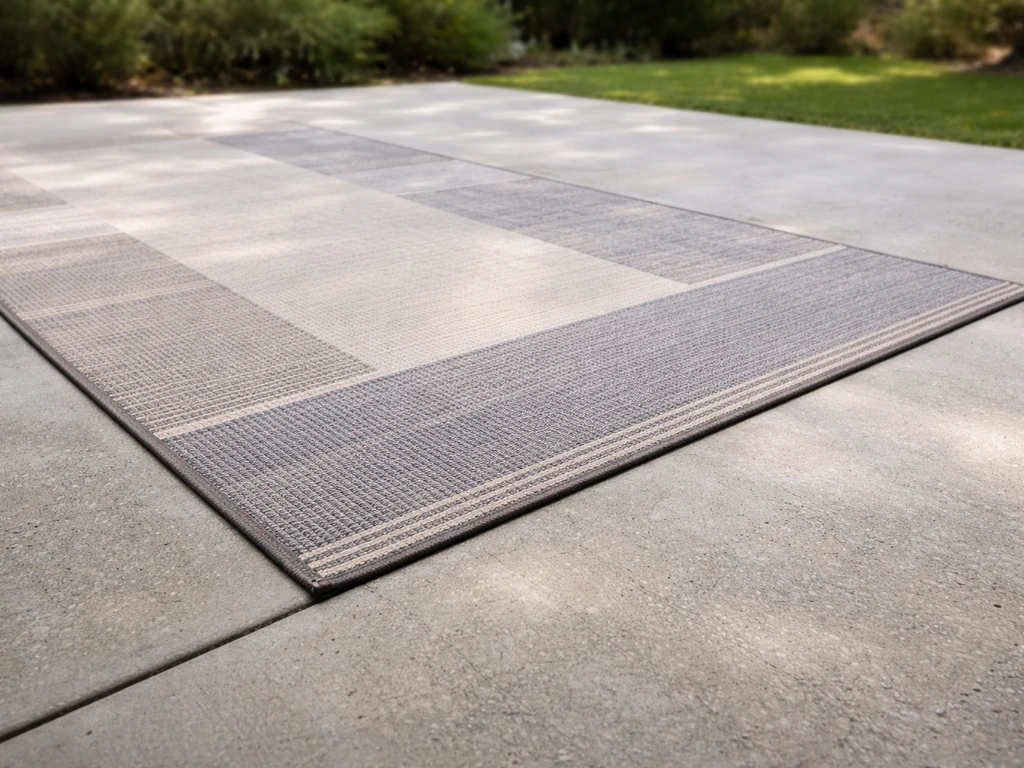
The floor is the first thing anyone sees, and a fresh surface makes every other element look better. If your patio is concrete and just dirty, a good scrub with a stiff brush and a concrete cleaner will do the job. If you rent a pressure washer, keep the PSI under 2,500 on older or sealed concrete, don't spray in direct midday sun (hot concrete plus high pressure increases surface damage risk), and avoid newer concrete poured less than a year ago since it's more vulnerable to etching and pitting. Damage from over-aggressive pressure washing opens the surface to moisture and freeze-thaw cracking.
After cleaning, an outdoor rug is the single fastest and most affordable surface upgrade you can make. It defines a zone visually, adds color, and softens the look immediately. Go for a flatweave polypropylene rug rated for outdoor use; it handles rain, resists mold, and cleans up with a hose. Size matters: on a small patio, a 5x7 or 5x8 rug that fits under the front legs of your seating arrangement usually works well. For deck surfaces, snap-together wood or composite deck tiles lay over existing surfaces without adhesive and are completely removable when you move out.
Weather protection: shade, wind, and enclosure options
Shade solutions that work without drilling
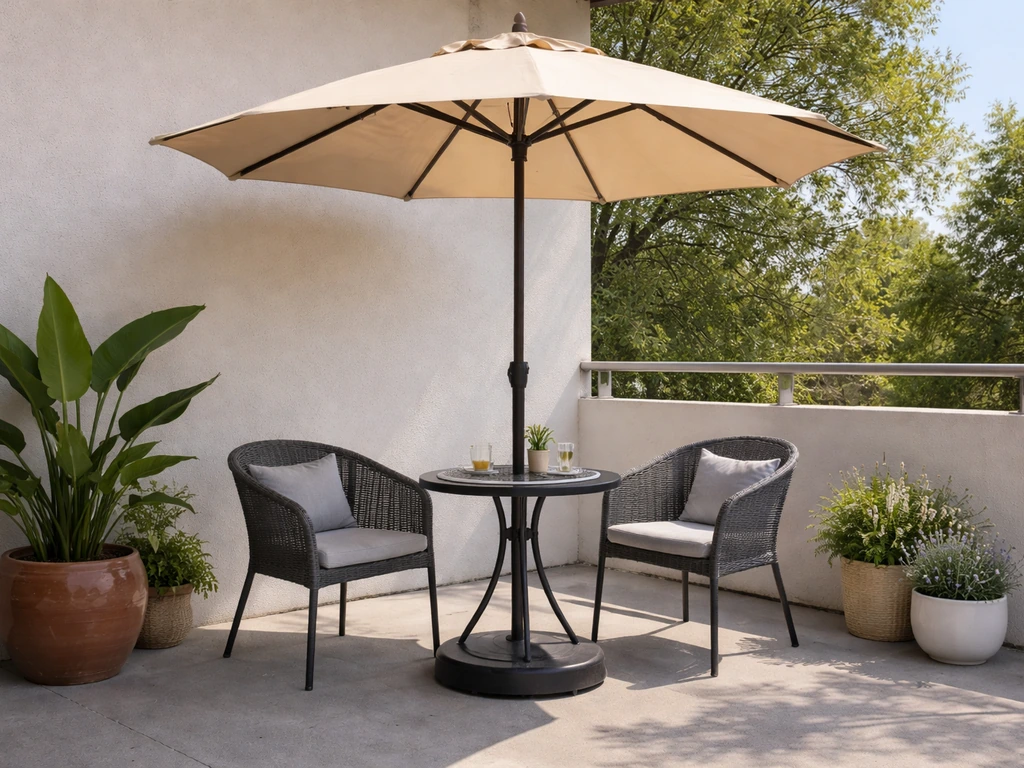
If your patio gets hammered by afternoon sun, no amount of nice furniture makes it comfortable. Start with a freestanding market umbrella on a weighted base (50–75 lbs is enough for most sheltered patios). A 9-foot canopy covers a bistro set or small seating area well. For more coverage without permanent installation, a shade sail stretched between two freestanding poles with heavy bases is a solid renter-friendly solution. Look for sails made from HDPE shade cloth rated for UV blockage of 90% or higher. Retractable awnings exist in both wall-mounted and freestanding versions; freestanding ones work great for renters since no drilling is needed.
Wind control
A balcony or exposed patio that catches wind makes outdoor seating miserable. Railing-mounted windscreen panels made of clear polycarbonate or mesh fabric clip or zip-tie onto most railing styles and cut wind significantly without blocking the view. Tall potted shrubs like bamboo (in containers) or ornamental grasses placed along the windward edge also help buffer airflow while doubling as greenery. Just keep weight in mind when selecting large planters.
Screens and enclosures for apartment patios
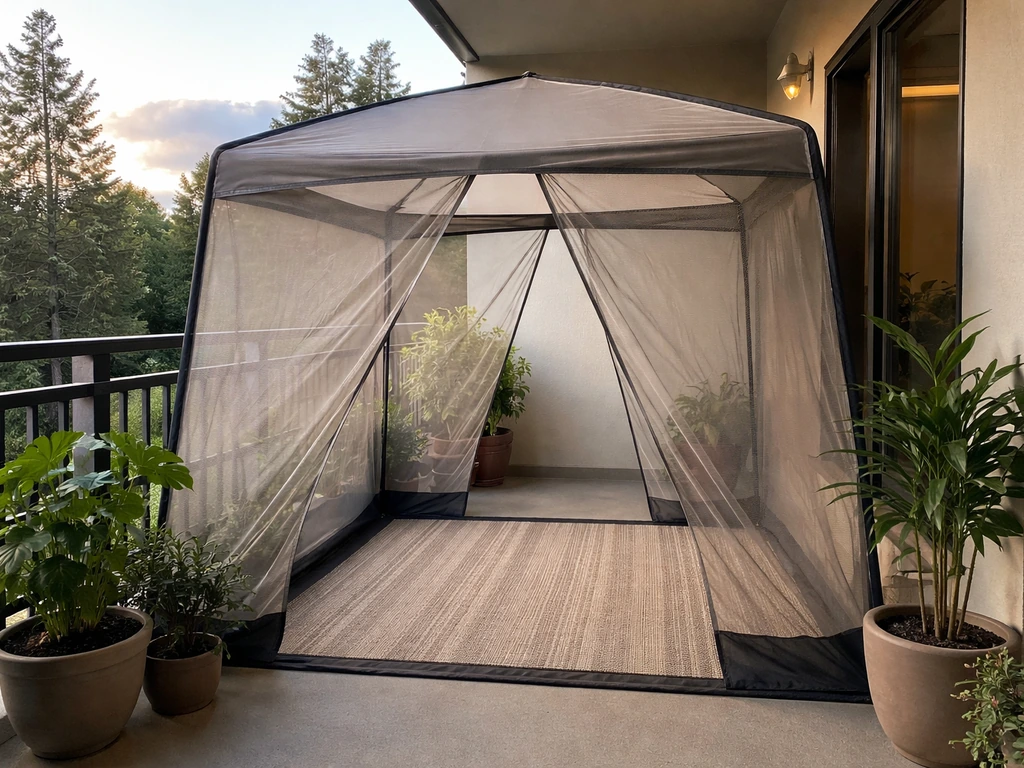
If bugs or allergens are a recurring issue, a freestanding screen tent or pop-up gazebo with mesh panels is a fully removable solution that transforms your patio into a screened room without any permanent installation. These range from $80 for basic pop-ups to $400+ for sturdier modular options. For something more polished, magnetic screen door panels can be hung from an overhead frame or tension rod setup at a doorway or opening, giving you easy in-and-out access. If you own your space or have landlord permission, a proper screened patio enclosure is a longer-term upgrade worth exploring since it dramatically extends how many months you can comfortably use the space.
Lighting, privacy, and making the space feel like a room
Lighting that sets the right mood
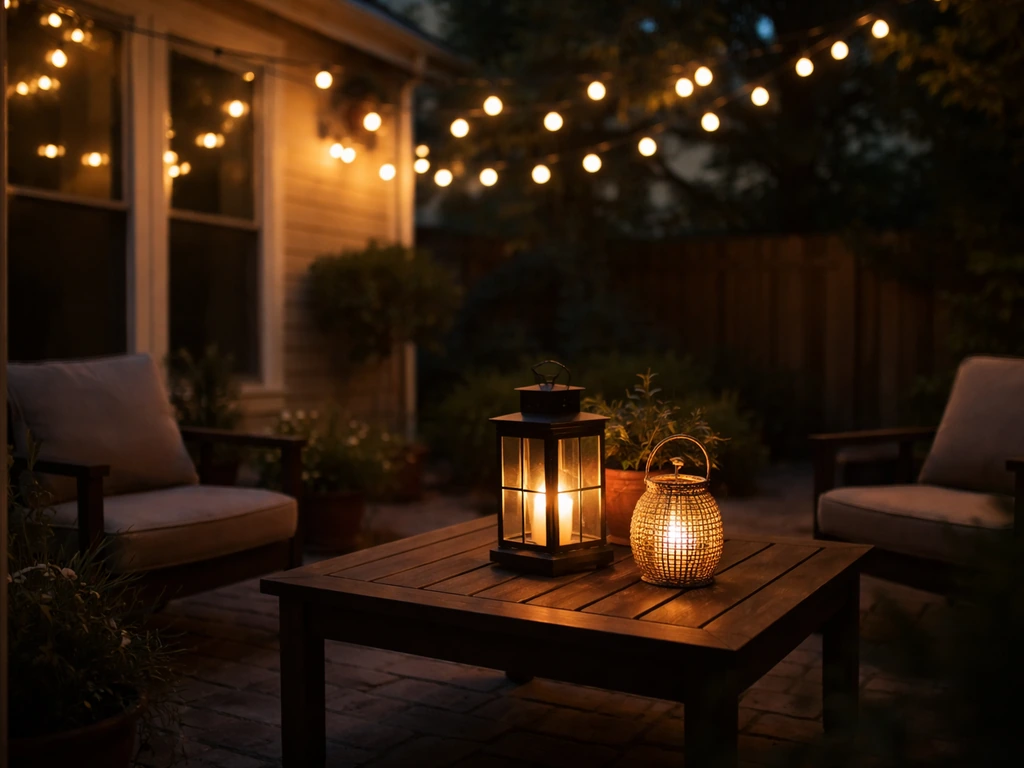
Good lighting is what turns a patio from a storage area into a place you actually want to spend evenings. If you want a patio that feels cozy, focus on warm lighting, comfortable seating, and weather protection so it works for day and night. String lights are the easiest win: solar-powered or plug-in globe string lights draped along a railing, fence, or overhead structure create warm ambiance with zero installation.
Clip hooks on railings or use adhesive hooks on walls (check your lease for adhesive allowances) to hang them without drilling. For task lighting, a solar lantern on a side table or a rechargeable LED table lamp adds focused light for reading or dining. If you're concerned about light shining into neighbors' windows, point lights downward or toward your seating area rather than outward, and skip motion-sensor floods pointed at adjacent units.
Privacy without permanent changes
Privacy matters a lot on ground-floor patios and tightly packed apartment buildings. Tension-rod curtain systems are a genuinely great no-drill option: a tension rod wedged between two walls or posts holds outdoor curtain panels that you can open or close as needed. Bamboo roll-up shades tied to a railing or overhead beam add privacy and a nice texture. Railing planters with trailing plants like pothos, sweet potato vine, or ivy create a living privacy screen that also looks great in photos. For more coverage, lattice panels with legs can stand freestanding along an edge without attaching to anything.
Decor and styling that actually holds up outside
Furniture materials: what lasts and what doesn't
Outdoor furniture material choice makes a big difference in how long your patio looks good. Here's a quick comparison of the most common options for apartment-scale patios:
| Material | Durability | Weight | Best For | Watch Out For |
|---|---|---|---|---|
| Powder-coated steel | High | Heavy | Modern look, sturdy seating | Chips can rust; use touch-up paint quickly |
| Aluminum (tubular) | High | Light | Easy to move, rust-free | Can feel flimsy at low price points |
| Resin wicker/rattan | Medium-High | Light-Medium | Cozy look, widely available | Cheap versions crack in UV over 2–3 seasons |
| Solid teak or acacia | Very High | Heavy | Premium look, ages beautifully | Cost; needs annual oiling to prevent gray weathering |
| Polywood/HDPE lumber | Very High | Medium | Low maintenance, colorfast | Higher upfront cost than resin options |
For most apartment renters on a budget who want something that looks good and lasts, powder-coated aluminum or mid-grade resin wicker hits the sweet spot. If you're investing more and staying put, Polywood or acacia is worth the extra spend.
Plants: the easiest way to add life and color
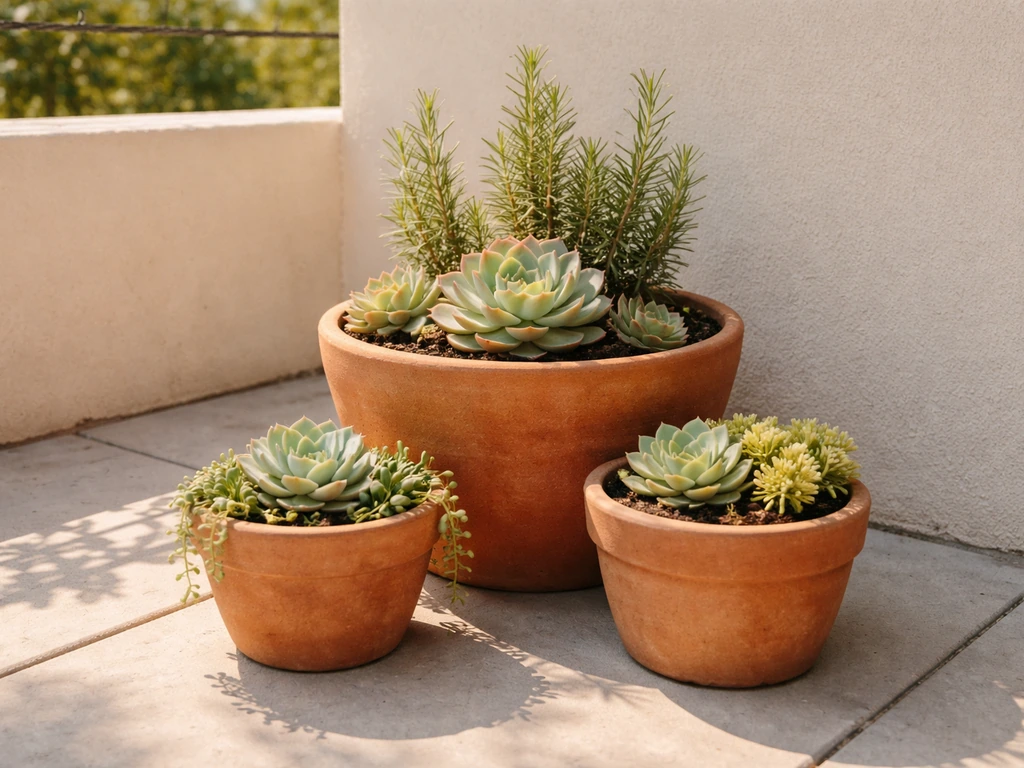
Plants do more for a patio's look than almost anything else. For sun-drenched patios, go with succulents, lavender, rosemary, or geraniums. For shaded or partial-shade patios, ferns, impatiens, caladiums, and begonias work well. Use a mix of heights: a tall plant (like a dwarf olive or ornamental grass) as an anchor, medium plants in the middle range, and trailing plants (like sweet potato vine or bacopa) spilling over the edges of railing planters. Self-watering planters are worth the small price premium since they reduce the number of times you need to water and help plants survive if you travel.
Textiles, wall, and railing decor
Throw pillows made with Sunbrella fabric or solution-dyed acrylic last seasons longer than standard indoor-outdoor fabric, which fades and mildews within a year in most climates. A throw blanket in a weather-resistant material like Sunbrella fleece or a tightly woven acrylic keeps the space usable on cooler evenings. For walls and railings, metal wall art rated for outdoor use, a vertical wall planter, or a woven macrame piece treated with a waterproofing spray adds visual interest without bulk.
Keep the color palette cohesive: pick two or three colors and repeat them across the rug, cushions, and planters for a pulled-together look even in a small space. This is especially useful advice if you're dealing with a tiny footprint, which overlaps with the challenges covered in small patio and small condo patio decorating.
Keeping it looking good: maintenance and seasonal refreshes
The patios that look best over time are the ones with a simple, regular routine. Here's what actually needs to happen and when:
- Monthly: sweep or blow off debris, wipe down furniture surfaces with a damp cloth, check plants for pests or watering needs, and rinse the outdoor rug with a hose.
- Every 2–3 months: wash cushion covers if removable (most Sunbrella fabric can be machine washed on gentle), clean the rug more thoroughly with mild soap and water, and inspect railing hardware or any clamp-on fixtures for rust or loosening.
- Spring startup: bring stored furniture back out, inspect for winter damage, re-seal any cracked concrete or grout if you own the space, freshen plant containers with new potting mix, and replace any burnt-out string light bulbs.
- Late summer/early fall: assess which plants are done for the season and replace or overwinter them indoors, check that shade structures survived summer UV and wind, and order any replacement cushions or rugs before end-of-season sales end.
- Pre-winter: store cushions, textiles, and any lightweight furniture in a covered area or large storage bags. Drain self-watering planters so water doesn't freeze and crack them. If you leave furniture out, use fitted outdoor furniture covers rated for your climate.
- Annual: deep-clean the floor surface, touch up any rusted metal with spray paint rated for outdoor metal, and re-evaluate the layout to see if it still works for how you use the space.
If you do nothing else, do the monthly sweep and the spring startup. Those two habits alone keep a patio from sliding into a state where it needs a full overhaul. A patio that gets regular small attention stays looking good season after season with minimal cost or effort, which is really the whole goal: a space you enjoy using, not just one that photographs well once.
FAQ
How do I choose the right size outdoor rug for a small apartment patio?
Measure your patio’s usable footprint, then leave walking clearance first. After that, use the “rug anchors furniture” rule: choose an outdoor rug large enough that at least the front legs of your main seating sit on it. If a rug is too small, the space looks choppy and cluttered even with nice decor.
What are renter-friendly ways to secure items on a patio without drilling?
For renters, avoid anything that requires drilling or permanent mounts. Instead of heavy furniture centered on the wrong spot, use weighted umbrella bases, freestanding screens, and tension-rod curtains. If you must anchor an item, confirm the exact anchoring method and location with your lease or landlord, since some buildings limit penetrations even for anchors.
How can I keep outdoor cushions and decor from getting moldy in rainy or humid weather?
Yes, but do it in a way that won’t trap moisture. Use furniture covers only when they are breathable (vented) and dry the patio surface first. For cushion storage, keep covers on when you are not using the patio and store cushions indoors or in a dry, ventilated space when possible to prevent mildew.
My patio is shaded most of the day, what should I change about plant choices and watering?
If you want plants but have little direct sun, skip “full sun” labels and focus on partial or shade-tolerant options. Also match watering to light, for example, shaded patios often need less frequent watering. Finally, use self-watering planters where you travel, since inconsistent watering is a bigger killer than occasional missed care.
What’s an easy plant strategy for renters who don’t want ongoing maintenance?
Start with the lowest-maintenance wins: evergreen planters, weather-tolerant groundcover, and durable pots that won’t crack in cold snaps. Add one focal plant in a taller container and repeat smaller supporting plants for visual structure, so you do not need to constantly replant to maintain the look.
What should I do if my patio has drainage problems or puddles?
If you notice water pooling after rain, address the surface before adding rugs and tiles. Pick a rug and mat style that drains well, and avoid sealing over existing drainage issues. For deck tiles, confirm they sit flat and do not create a “trap” area under heavy planters or furniture.
How do I make patio lighting look nice without shining into neighboring apartments?
Yes, but keep it functional and quiet for neighbors. Use warm, downward-facing bulbs and avoid high-brightness flood-style lighting pointed outward. If you do string lights, dimmable plugs or warm white settings help reduce glare and make the patio feel cozy without disturbing adjacent windows.
How do I avoid a “random” look when I add lots of decor to a small patio?
Start with a single cohesive palette and repeat it across at least three items, for example, rug, cushions, and planter color. Keep patterns limited, one main pattern max, then use solids or subtle textures elsewhere. This reduces visual clutter, which matters more on patios with tight spacing.
What’s the best way to handle strong wind on an exposed apartment balcony or patio?
To keep wind from ruining your setup, choose lighter freestanding pieces in open areas and prioritize wind buffers along the windward edge. Use heavier umbrella bases, select mesh or polycarbonate screens that do not catch like a sail, and avoid placing tall decor where it blocks airflow only to amplify gusts.
What should my simple seasonal maintenance routine look like for a patio that always looks good?
Do a seasonal plan that matches how the patio is used. In spring, clean and reset planters. In summer, check for water needs and tighten umbrella or shade hardware. In fall, remove dead foliage and store delicate fabrics. In winter, protect or store cushions and consider whether the screen or shade needs to be taken down to prevent damage.
Next Articles
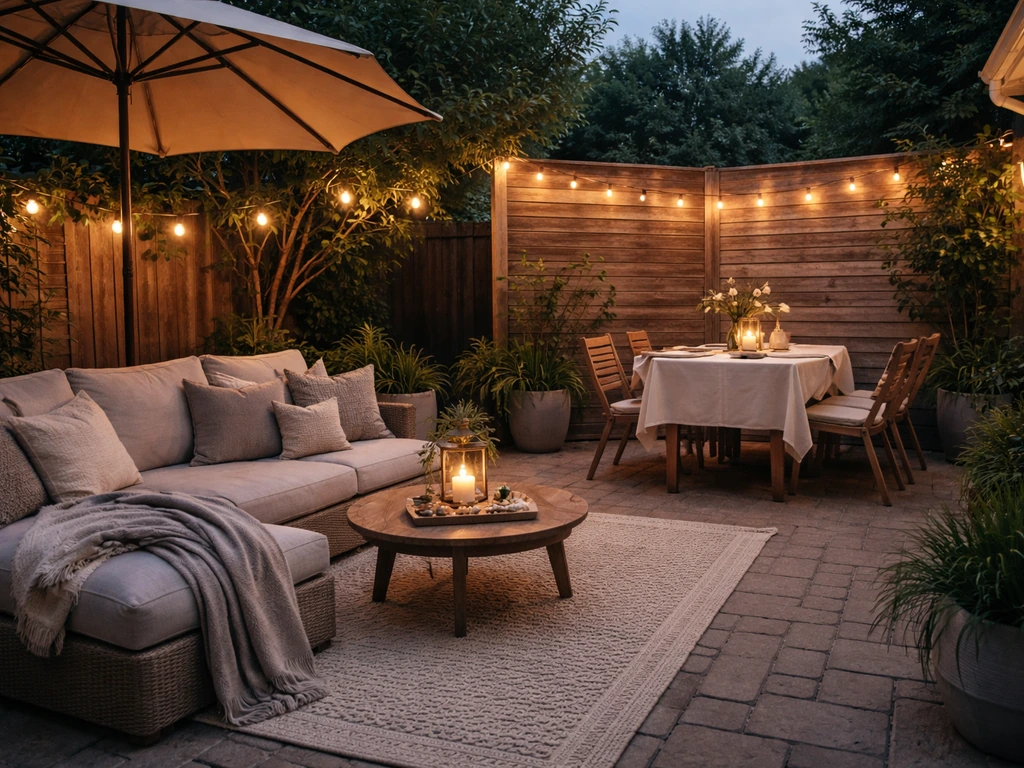
How to Make Patio Cozy: DIY Steps for Any Size
DIY steps to make any patio cozy with smart zoning, sun wind control, warm lighting, and comfort upgrades for large spac
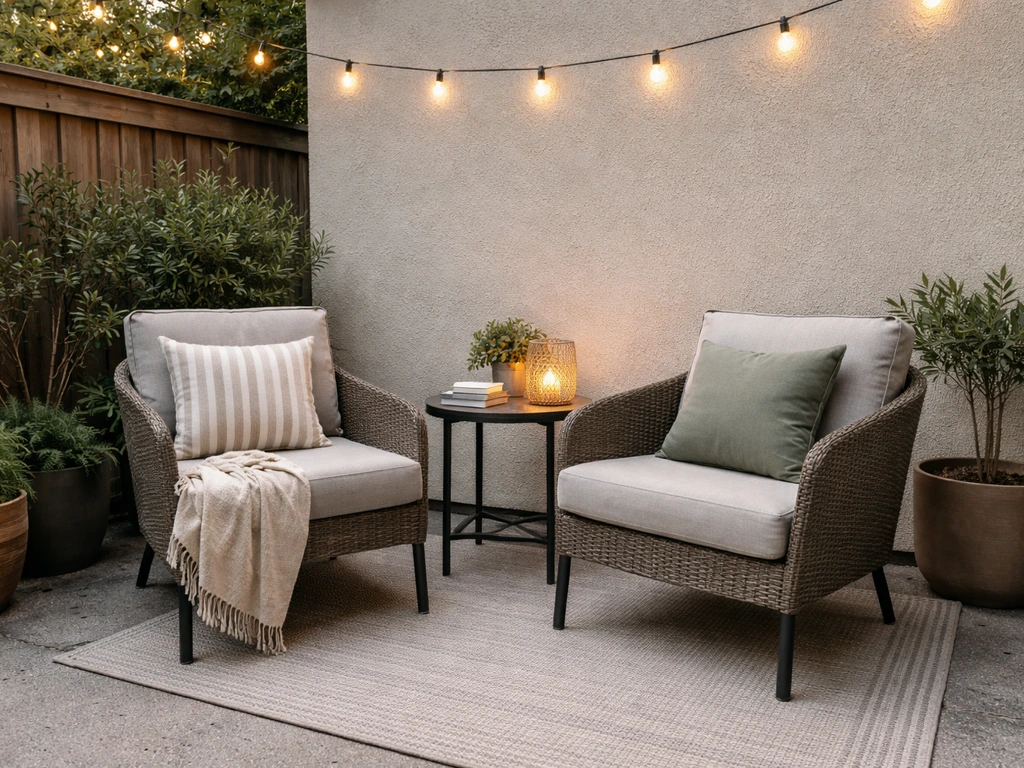
How to Decorate Small Patios: Layout, Furniture, and Style
Step-by-step tips on layout, space-saving furniture, decor, and shade upgrades to make small patios feel bigger and cozy
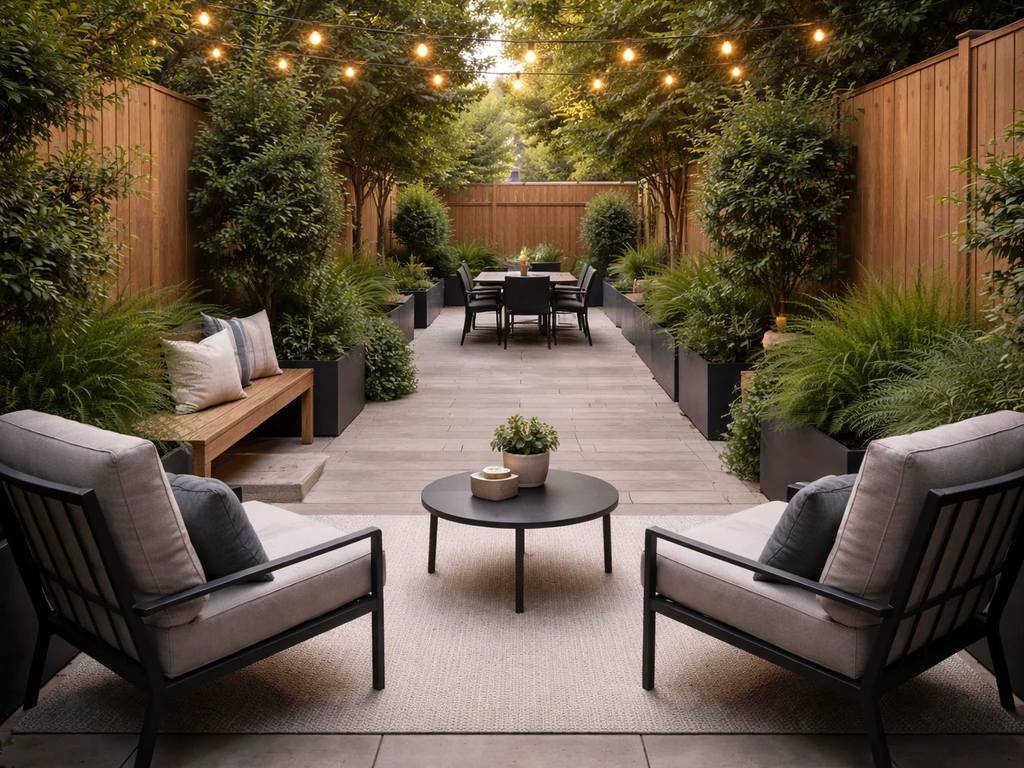
How to Decorate a Long Narrow Patio: Layout Tips
Practical DIY layout and decor tips to widen a long narrow patio using zoning, furniture spacing, lighting, greenery, an