Decorating a back patio comes down to four things: knowing your space, picking durable materials, laying out a functional floor plan, and layering in personality with lighting, plants, and textiles. If your patio is uncovered, you’ll want to prioritize weatherproof textiles, outdoor rug materials, and heat-friendly lighting so the look holds up all year uncovered patio. Do those four things and you end up with an outdoor room you actually use every day, not just on holidays.
How to Decorate a Back Patio: DIY Plan, Layout, and Ideas

Felix Brennan
29 Apr 2026
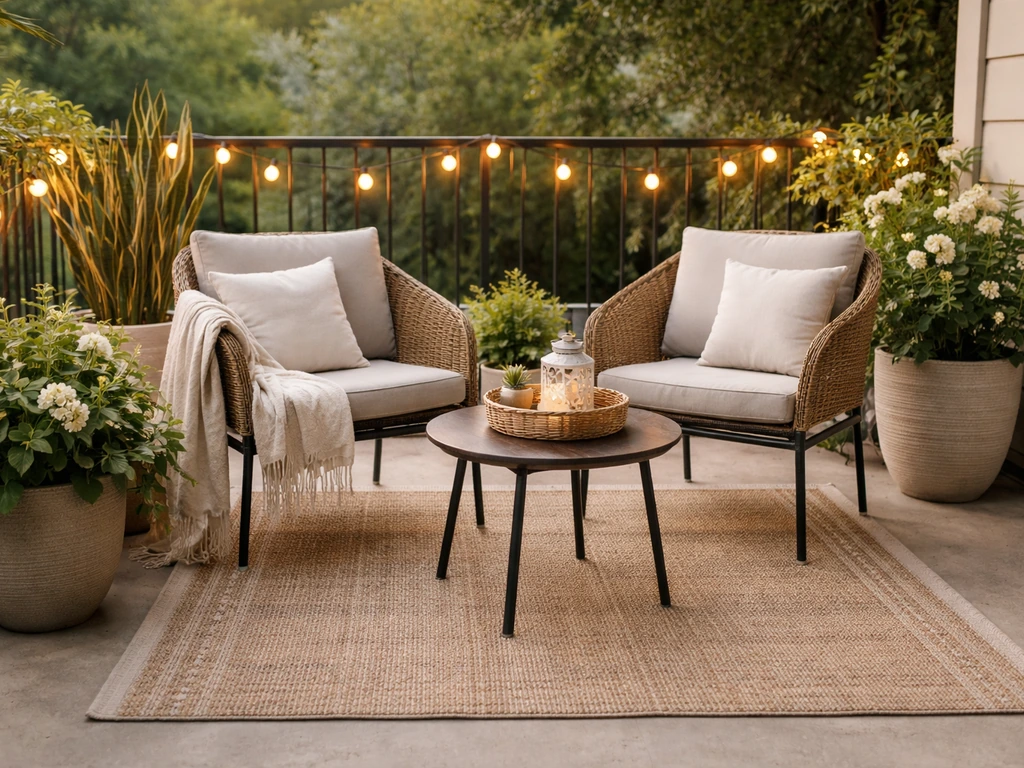
Start with a plan: measure, define zones, set a budget
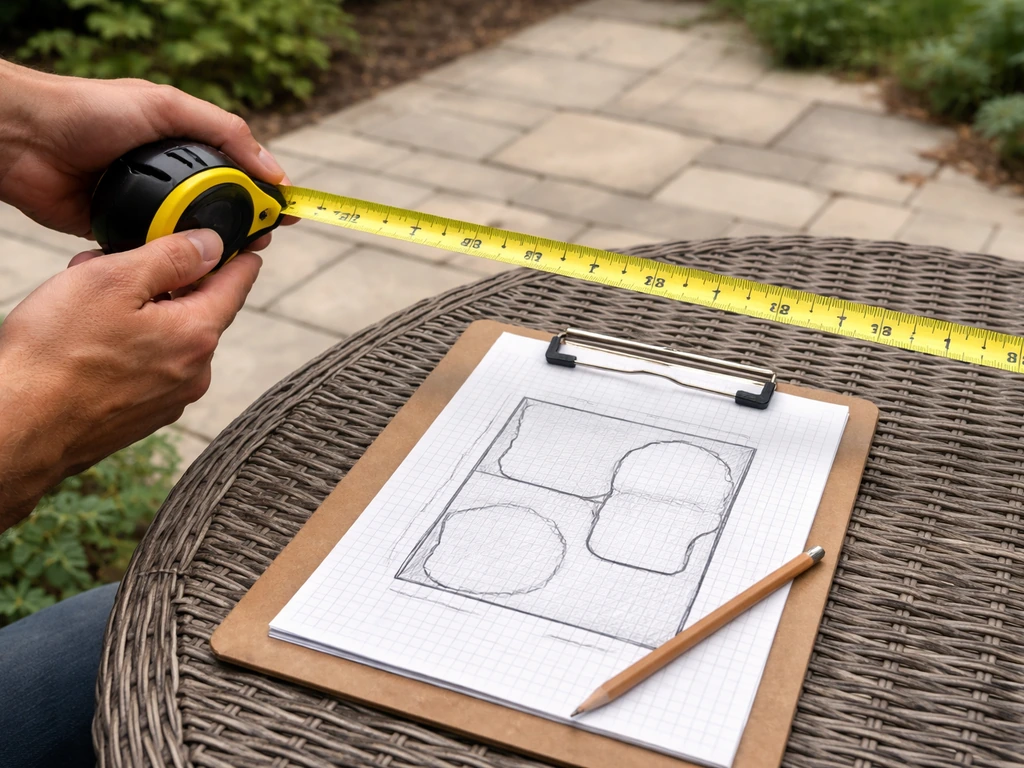
Before you buy a single cushion, grab a tape measure. Write down your patio's length and width, then sketch it out on graph paper or a free app like Magicplan. The reason this matters: outdoor furniture is bulkier than it looks in store photos, and you need to leave at least 36 inches between table edges or between furniture groupings so people can walk through comfortably. That 36-inch number isn't arbitrary, it shows up in al fresco dining regulations for good reason. Tight paths make a patio feel cramped and chaotic.
Once you have your dimensions, define what zones your patio needs. Most back patios can hold one or two of the following: a dining area, a lounge/conversation area, or a side zone for grilling or container plants. Trying to squeeze all three into a 10 x 12 foot slab is a mistake, pick your priority use first, then add secondary zones only if the space genuinely supports them.
Set a realistic budget before you shop. A functional starter setup (outdoor rug, a four-piece seating set, string lights, two planters) typically runs $400–$900 depending on material quality. A full dining-plus-lounge setup with weatherproof cushions, curtains, and accent lighting can easily reach $2,000–$4,000. Knowing your number upfront keeps you from mixing cheap and premium pieces in ways that look mismatched and wear unevenly.
Choose a style that fits your home and patio size
Your back patio should feel like a natural extension of your house, not a separate design universe. Look at your home's exterior: the siding color, the trim, the architectural style. A craftsman bungalow looks great with warm wood tones, deep greens, and lantern-style lighting. A modern stucco home pairs well with powder-coated aluminum frames, neutral textiles, and clean-lined planters. A farmhouse or cottage exterior can pull off wicker, whites, and florals without looking kitschy.
Patio size shapes your style choices too. Small patios (under 120 square feet) benefit from a single cohesive palette, two or three colors max, and furniture with slim profiles. Larger patios can handle bolder patterns and mixed materials, but still need a unifying thread like a repeated color, consistent frame finish, or matching planter style. If your patio is covered or enclosed, the approach shifts a bit since shaded or screened spaces need brighter accents to avoid feeling cave-like.
A covered patio also calls for weatherproof decor choices and lighting that stays warm and inviting under shade. To finish the look, you can also use wall decor that matches your patio style and coordinates with your lighting, plants, and textiles decorate a patio wall.
Outdoor seating layout: dining, lounge, or conversation areas
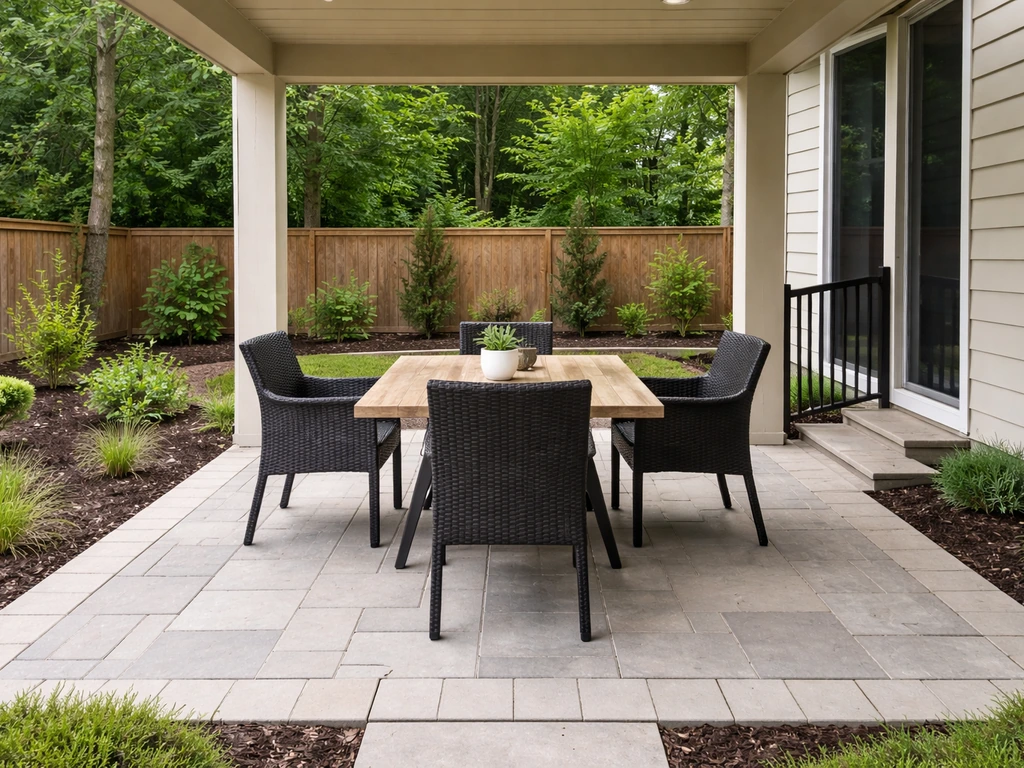
Layout is where most people make their biggest mistakes. They buy furniture first and then try to arrange it, ending up with pieces that block pathways or face the wrong direction. Instead, decide on your seating function first, then shop.
Dining areas
For a dedicated dining zone, start with your table size and work outward. A standard 6-person rectangular table needs roughly a 10 x 12 foot zone once you account for chair pull-out and walking room on all sides. Leave at least 36 inches between the table edge and any wall, railing, or furniture grouping. Chair comfort matters too, look for chairs with a seat height of 17 to 19 inches for a standard 30-inch dining table, and check that arm rests don't hit the table apron. These are the fitting details a good outdoor dining seating guide will walk you through, and they make a real difference in whether people actually sit and linger.
Lounge and conversation areas
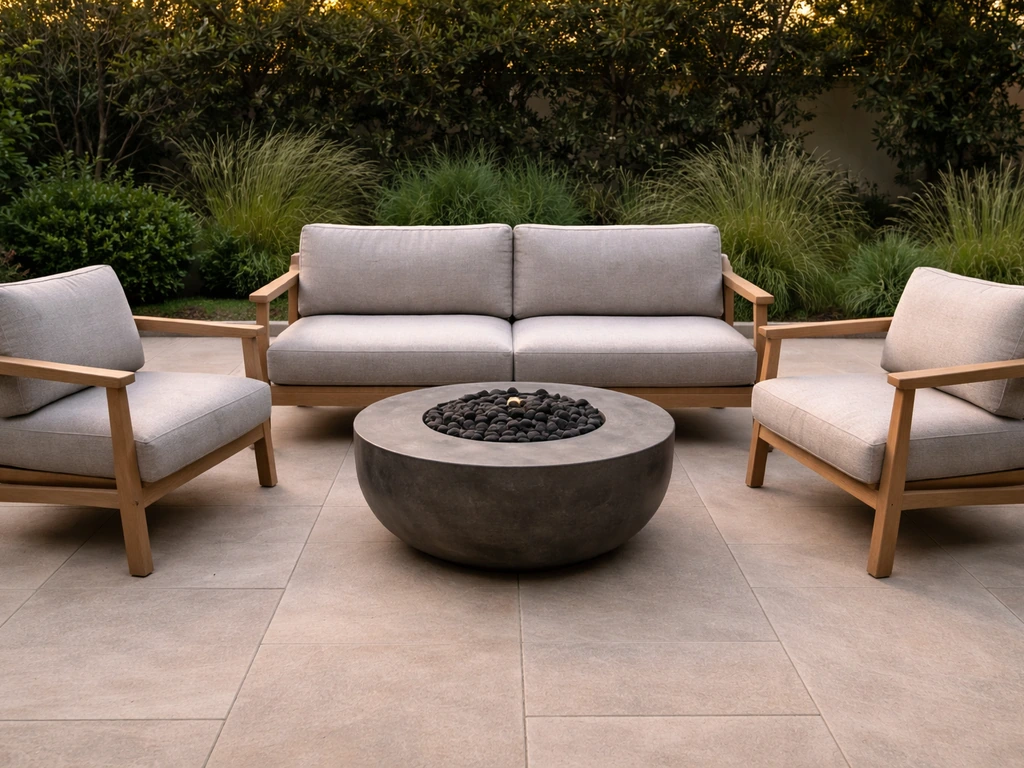
A lounge setup typically anchors around a sofa or sectional with two chairs and a coffee table or fire pit in the center. Keep the coffee table within 14 to 18 inches of seating for comfortable reach. If you're adding a fire pit, maintain at least 10 feet of clearance from structures, fences, and railings, and 15 feet from any combustible overhead structure like a wood pergola or fabric shade sail. If your patio is smaller and a fire pit isn't safe, a tabletop propane fire bowl gives you the ambiance without the clearance headaches.
Combined zones on larger patios
If your patio is large enough for both dining and lounging, create a clear visual separation between zones using an outdoor rug, a change in furniture orientation, or a low planter arrangement as a divider. Avoid letting the two zones bleed together, it makes the whole space feel disorganized even when it's tidy.
Weatherproof decor essentials: rugs, cushions, curtains, and storage
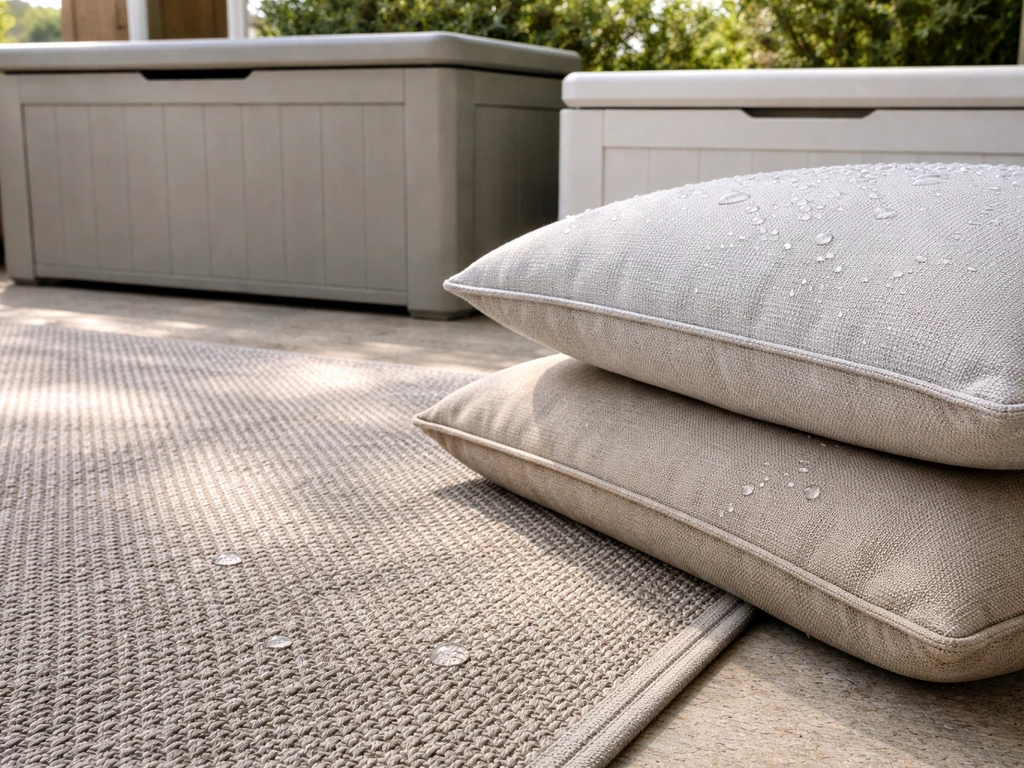
This is where material choice makes or breaks your setup. Outdoor decor that can't handle real weather becomes a maintenance headache within one season.
Outdoor rugs
An outdoor rug visually anchors a seating or dining zone and adds warmth underfoot. For a seating group, size the rug so that all front legs of your seating pieces sit on the rug, this unifies the grouping and makes the space feel intentional rather than scattered. For a dining area, go big enough so that chair legs stay on the rug even when chairs are pulled out. Polypropylene (also called olefin) rugs are the most practical: they dry fast, resist mildew, and hold up to UV exposure far better than natural fiber options like jute or sisal, which break down outdoors quickly.
Cushions and upholstery
For cushions, solution-dyed acrylic fabric, the standard Sunbrella fabric type, is the gold standard for outdoor use. The dye is locked into the fiber itself during manufacturing, not applied as a coating, which gives it class-leading fade resistance and UV durability. It's also mildew resistant and cleans with mild soap and water for most stains. Polyester cushions cost less upfront but fade noticeably faster under direct sun.
If you're in a very sunny climate or the cushions will be exposed most of the day, the price difference for solution-dyed acrylic is worth it. One important care note: if you're covering furniture for more than a day or two, always remove cushions first. Trapping moisture under a cover is how mold gets started.
Outdoor curtains
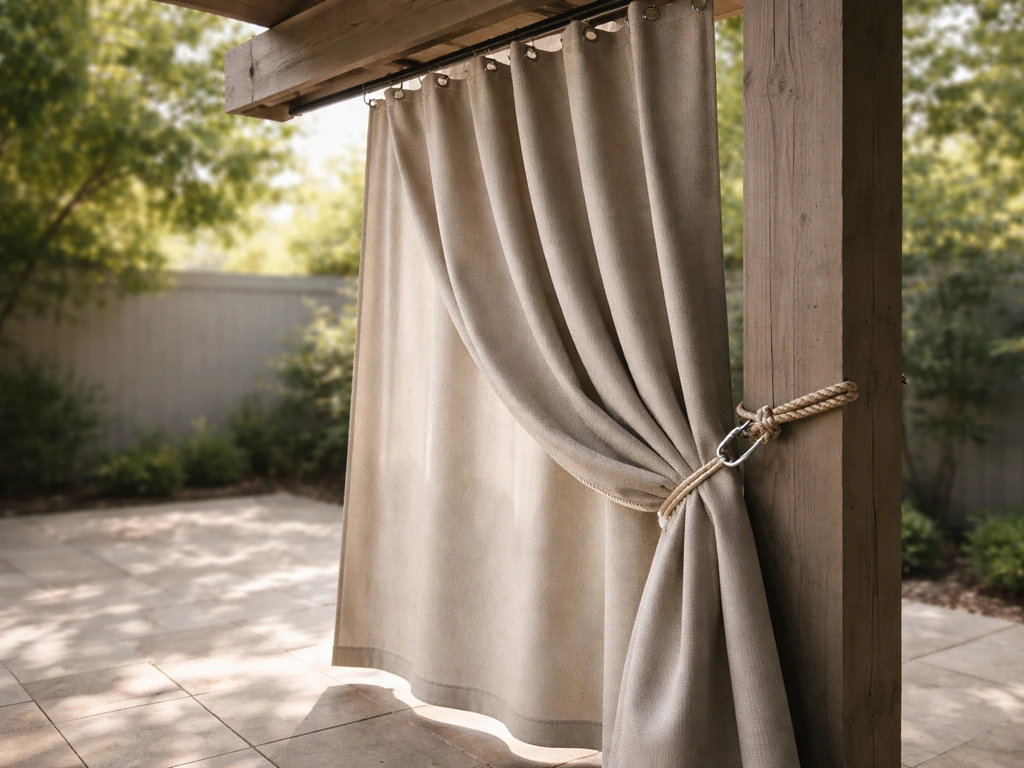
Curtains add privacy, shade, and a finished-room feel to a back patio. Stick to synthetic materials, polyester, acrylic, or solution-dyed blends, with water-resistant, fade-resistant, and mildew-resistant ratings. Even mildew-resistant fabrics can develop mold if they stay damp and dirty for extended periods, so shake them out, spot clean regularly, and let them dry fully before closing them tight for days at a time. If your patio is covered or enclosed, curtains are one of the best upgrades you can make for both privacy and climate comfort.
Furniture frames and storage
For frames, powder-coated aluminum is the most maintenance-free option: it doesn't rust, stays light enough to rearrange, and holds up in humid or coastal climates. High-density polyethylene (HDPE) lumber is another excellent choice for chairs and benches, especially if you want a teak-like look without the upkeep. Teak itself is beautiful but needs annual oiling to maintain its color. Steel and wrought iron are heavy and durable but can rust at cut edges and welded joints in wet climates. Whatever frame material you choose, add a dedicated storage solution for small items: a deck box or weather-resistant cabinet keeps throw pillows, garden tools, and extras organized and dry.
Lighting that changes the vibe
Lighting is the single easiest upgrade with the biggest payoff. A back patio that's dark at night is a patio you stop using after sunset. A well-lit one extends your usable hours by three or four hours in spring and summer.
Color temperature matters more than brightness
blank" rel="noopener noreferrer">Stick to a color temperature range of 2700K to 3000K for all your outdoor fixtures. At 2700K you get the warm, golden glow associated with hospitality and calm outdoor spaces, the kind that makes a patio feel inviting rather than interrogated. At 3000K, you get slightly more definition while still staying warm. blank" rel="noopener noreferrer">Avoid anything above 3000K on a residential patio: the cool, bluish-white light of 4000K or 5000K bulbs kills the mood and makes outdoor spaces feel clinical. This isn't just aesthetic preference, every serious outdoor lighting design guide points to 2700K as the maximum for residential comfort. Keep your entire scheme within this band so the light sources read as unified, not mismatched.
Layer ambient, task, and accent lighting
Ambient lighting gives your overall patio its base glow: string lights strung overhead or along a pergola beam are the easiest and most affordable way to achieve this. Task lighting handles specific functional zones, a pendant over a dining table, a post light near steps, or a wall sconce by the door. Accent lighting adds depth: landscape spotlights aimed at a focal plant, strip lighting under a bench, or a tabletop lantern. The layered combination makes a patio feel designed rather than just lit. Solar-powered options work well for accent and ambient lighting in sunny climates; wired low-voltage systems are more reliable for task lighting and for areas with limited sun.
Plants, privacy, and privacy screens: living decor that lasts
Plants do double duty on a back patio: they add color, texture, and life, and they can solve practical problems like privacy and wind buffering at the same time.
Container plants and planters
Large planters at corners or along railings frame a patio and create a sense of enclosure that makes the space feel like a room. Use a mix of heights: tall grasses or upright shrubs in the back, mid-height flowering plants or herbs in the middle, trailing plants at the front or edges. Fiberglass and resin planters are the most practical for large containers since they're lightweight and frost-resistant. Terracotta is beautiful but heavy and can crack in freeze-thaw cycles. Group containers in odd numbers (three or five) for a more natural look.
Privacy screens and vertical growing
If your back patio faces a neighbor's yard or a busy alley, privacy is probably your first real functional need. A trellis panel covered in climbing vines is one of the best solutions: it's attractive, absorbs sound slightly, and can be moved or repositioned since it's not a fixed structure. Clematis, climbing roses, and jasmine are popular choices for quick coverage in warm climates. For year-round privacy without replanting, look for evergreen vines like English ivy or evergreen clematis, or use fast-growing upright evergreen shrubs in large containers along the perimeter. Keep in mind that if your patio is screened or enclosed, you've already solved the privacy problem structurally, in that case, plants are purely decorative rather than functional.
Freestanding privacy screens
For immediate privacy without waiting for plants to grow, freestanding folding privacy screens (bamboo, metal, or lattice) can be placed where you need them and moved as needed. They work especially well to block sightlines to specific spots, the dining table, a hot tub, or a lounge chair, without permanently altering your patio setup. Pair them with climbing annuals during summer for a softer look.
Seasonal updates and year-round tips
A back patio that's set up once and never touched will look tired by midsummer. Seasonal updates keep it fresh and extend its functional life across different weather conditions.
Spring and summer
This is when your patio does its heaviest lifting. Swap in brighter textiles, throw pillows, a patterned rug, or a colorful outdoor throw, and refresh your container plants with warm-season annuals in late spring after your last frost date. Add a shade element if you don't already have one: a cantilever umbrella, a shade sail, or a pergola with a fabric canopy transforms a hot, uncomfortable patio into a genuinely usable afternoon space. Check all your furniture hardware at the season's start, tighten bolts, clean frames, spot-clean cushions, and flip or shake out rugs.
Fall and winter
Before temperatures drop, clean and properly store your soft goods. Cushions should be washed, dried completely (plan for 24 to 48 hours of air drying), and stored in breathable storage bags or a ventilated deck box. Never store cushions damp or in sealed plastic, that's a guaranteed mold situation. Rugs can be hosed off, dried flat in the sun, and rolled for storage or left out if they're a durable polypropylene that handles your winters.
Container plants that aren't cold-hardy should be moved indoors or into a garage before the first frost. Wrap pot exteriors with bubble wrap or burlap to insulate roots for plants you're leaving outside in cold climates. Use furniture covers for frames left outdoors, but make sure the covers are breathable fabric (not solid vinyl or plastic, which traps moisture) and that furniture is dry before you cover it.
If you’re using furniture covers, follow the same idea in when to uncover patio furniture so you don’t trap moisture under the cover after a cold snap.
Quick seasonal refresh ideas
- Swap pillow covers seasonally instead of buying full new cushions — it costs a fraction and takes 10 minutes
- Add a string of warm bistro lights in fall for a cozy glow that works even as days get shorter
- Bring in a few potted evergreens (dwarf boxwood, ornamental grasses) to keep the space looking alive in winter
- Replace summer annuals with ornamental kale, mums, or winter pansies for fall color that handles cool temperatures
- Add an outdoor rug with a warmer, deeper tone in fall and swap back to lighter patterns in spring
Your back patio starter kit: what to buy first
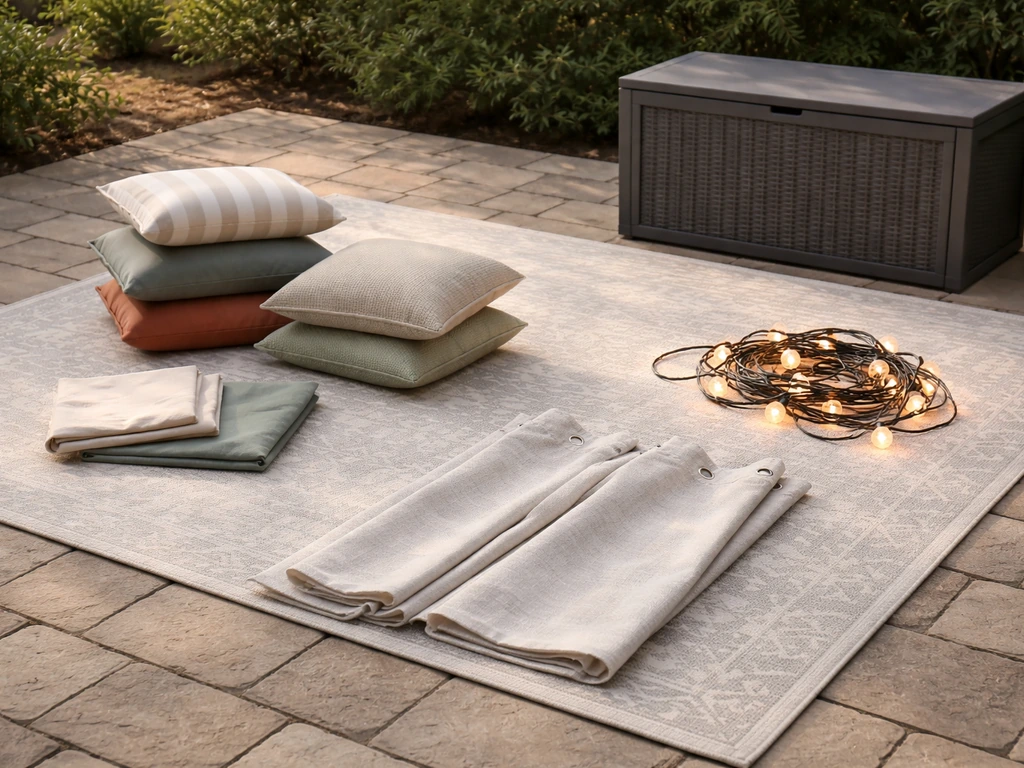
If you're starting from scratch, here's the order that makes the most practical sense. Get your seating and layout sorted first, because everything else scales off that. If your patio is rectangular, you can use these same principles to create clear zones and a cohesive look that fits the space how to decorate a rectangular patio. Then add the rug to anchor the zone.
For long, narrow patios, apply the same zoning and layout rules, then choose decor that visually widens the space how to decorate a long narrow patio. Then lighting, because it's fast, affordable, and immediately rewarding. Then plants and privacy elements. Textiles and accent decor come last because those are the easiest to add, swap, and personalize over time.
Don't wait until you have everything figured out to start using the space, get the basics in place and let your real-world use of the patio tell you what it's missing.
| Item | Priority | Budget Option | Upgrade Option |
|---|---|---|---|
| Seating set (4-piece) | First | Resin/plastic frame with polyester cushions | Powder-coated aluminum with solution-dyed acrylic cushions |
| Outdoor rug | First | Polypropylene flatweave, $40–$80 | Thick polypropylene or recycled PET, $120–$250 |
| String lights (ambient) | Second | Solar bistro lights, $20–$40 | Wired Edison-style on timer, $60–$120 |
| Planters + plants | Second | Resin or plastic pots, seasonal annuals | Fiberglass planters, evergreen shrubs or ornamental grasses |
| Throw pillows | Third | Polyester fill, any outdoor cover | Solution-dyed acrylic covers, quick-dry foam insert |
| Privacy screen or trellis | Third | Bamboo folding screen, $30–$60 | Metal lattice panel with climbing vine |
| Deck box or storage | Third | Plastic 70-gallon deck box, $60–$100 | Teak or HDPE lumber bench with storage lid |
The back patio is one of the highest-return spaces you can invest in as a homeowner, both for daily enjoyment and for resale appeal. It doesn't have to happen all at once. Start with the fundamentals, a solid layout, durable materials, and good lighting, and build from there. After you map out the basics, you can focus on how to decorate uncovered patio areas with the right rug, lighting, and weatherproof textiles Start with the fundamentals. If you want to go further with shade structures, screening, or full enclosures, those upgrades layer right on top of a well-decorated base without requiring you to start over.
FAQ
How can I decorate my back patio if it is narrow or oddly shaped?
Use zoning but tighten the furniture footprint: pick smaller scale pieces, place the longest seating run along the longest wall, and use a rug sized to cover the front legs of the seating so the space feels intentional. For L-shaped patios, define separate mini-zones with two rugs or a rug plus a low divider planter to prevent the layout from feeling like one long hallway.
What is the smallest patio size where a dining set still works?
In most cases you can do a compact dining area if you can keep clear walking paths, aim for at least 36 inches around the table edge, and choose chairs that fully pull out without hitting doors or steps. If you cannot meet the clearance, consider a bistro set or a counter-height table with fewer chairs, then add a separate lounge zone elsewhere.
Do outdoor rugs actually hold up, or should I skip them?
Outdoor rugs are worth it when you choose materials designed for moisture and UV, like polypropylene (olefin), and when you select the right size so chairs stay on the rug when pulled out. A common mistake is buying too small, which makes the zone look unfinished and causes the rug edges to wear faster from repeated chair movement.
What cushion fabric should I choose if my patio is fully sun all day?
Prioritize solution-dyed acrylic because it is built for UV exposure and tends to fade less than coated or lower-tier fabrics. Also plan for placement, even with fade-resistant fabric, rotate furniture seasonally when possible and use an umbrella or shade sail if summer sun is intense on one side.
Can I leave outdoor cushions outside during winter?
Only if you use a breathable, weather-rated storage plan and the material is genuinely suitable for your climate, otherwise store cushions fully. A safer approach is to wash, dry completely, then store in breathable bags or a ventilated deck box, never sealed in plastic where trapped moisture can cause mold.
How do I keep plants from looking messy or overgrown on a patio?
Stick to a simple repeat pattern (same planter style, same color family, and three container heights) and use plants with mature size in mind, not just what they look like at purchase. For containers, choose thrill, fill, and spill plants, then prune lightly after the first flush so they maintain shape instead of sprawling outward onto walkways.
What is the best way to add privacy without making my patio feel closed in?
Try movable privacy first, like a trellis panel with vines or a freestanding screen placed to block specific sightlines rather than covering the entire perimeter. If you use plants, pick taller evergreen options at the back and mid-height flowering plants in front to create depth while still keeping airflow.
How should I choose between string lights, low-voltage lighting, and solar lights?
Use string lights for ambient glow and simple overhead coverage, low-voltage wired lighting for task areas like steps and dining, and solar mainly for accent or areas that get strong sun. The practical edge case is reliability, wired systems keep consistent brightness during cloudy seasons and at night, while many solar fixtures dim significantly in winter.
What color temperature should my outdoor lights be if I want a cozy look?
Stay within 2700K to 3000K across all fixtures to keep the look unified, then avoid mixing in 4000K bulbs that can create a bluish, clinical feel. If you already own fixtures with higher Kelvin ratings, replace the bulbs in key areas first, like near seating and the main pathway.
How do I prevent mold when I cover outdoor furniture?
Let cushions and covers fully dry before closing up, if you cover for more than a day or two, remove cushions first, and use breathable covers that do not trap moisture. Also check after storms, a common mistake is covering immediately after rain, then discovering mildew weeks later when temperatures stay cool and damp.
What order should I shop in, so I do not waste money on mismatched pieces?
Set layout and zoning first, then pick the rug size to anchor your main zone, follow with lighting because it changes how colors look at night, and add plants or privacy next. Leave textiles, pillows, and small decor for last since they are the easiest to swap after you see the patio in real use and sunlight.
Should I match my patio decor exactly to my house exterior, or can I contrast?
Aim for harmony, not identity. Match one anchor element like the furniture frame finish or planter color to your exterior trim, then contrast with textiles or rug patterns for personality. This keeps the patio feeling like part of the home without looking like a themed replica.
Next Articles
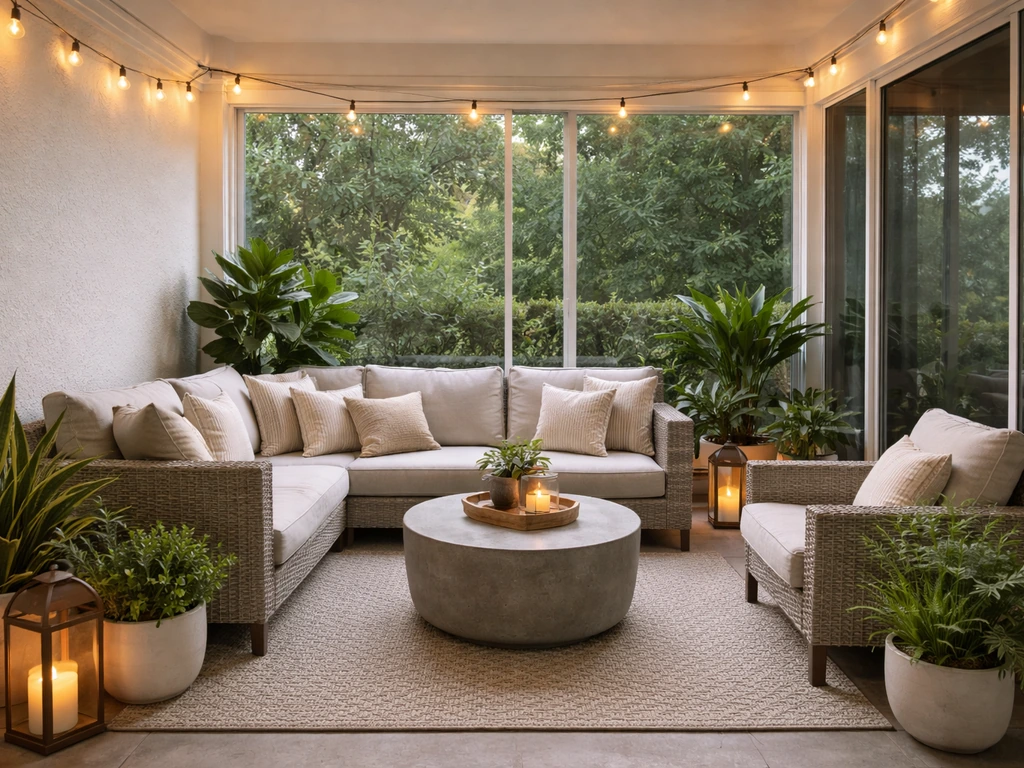
How to Decorate an Enclosed Patio: Step-by-Step Guide
Step-by-step plan to decorate an enclosed patio with durable furniture, lighting, rugs, plants, and easy seasonal mainte
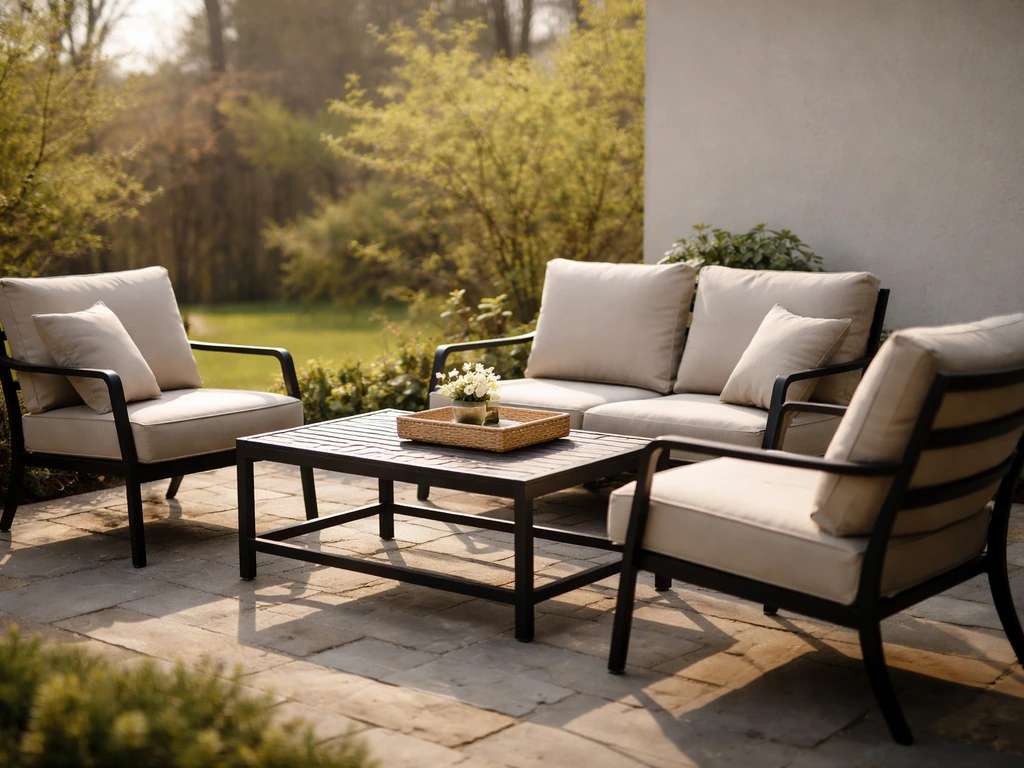
When to Uncover Patio Furniture: Timing and Readiness Guide
Learn when to uncover patio furniture after winter and how to check dryness, mildew, rust, and next-step cleaning
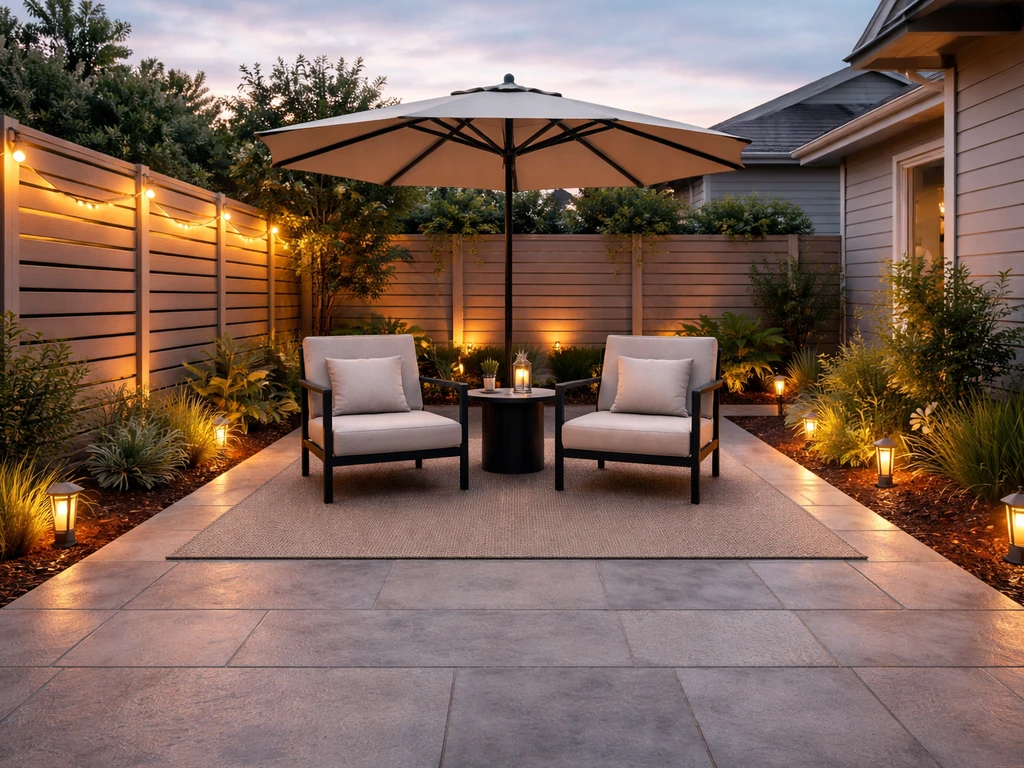
How to Decorate an Uncovered Patio: Step-by-Step Guide
Step-by-step how to decorate an uncovered patio with weatherproof flooring, furniture, shade, privacy, lighting, and sea