Decorating a covered patio comes down to one core idea: treat it like an outdoor room, not just a shaded slab. Pick a layout that separates seating from dining, choose materials that handle persistent moisture without rotting or fading, layer in lighting that works after dark, and add plants and soft furnishings that make the space feel finished. Done in that order, you can go from bare concrete to a genuinely comfortable outdoor living room in a weekend or two. If you are working with a rectangular footprint, the layout tips in how to decorate a rectangular patio can help you plan zones and flow more easily.
How to Decorate a Covered Patio: DIY Outdoor Room Guide

Felix Brennan
29 Apr 2026
Understand what your cover actually does to the space
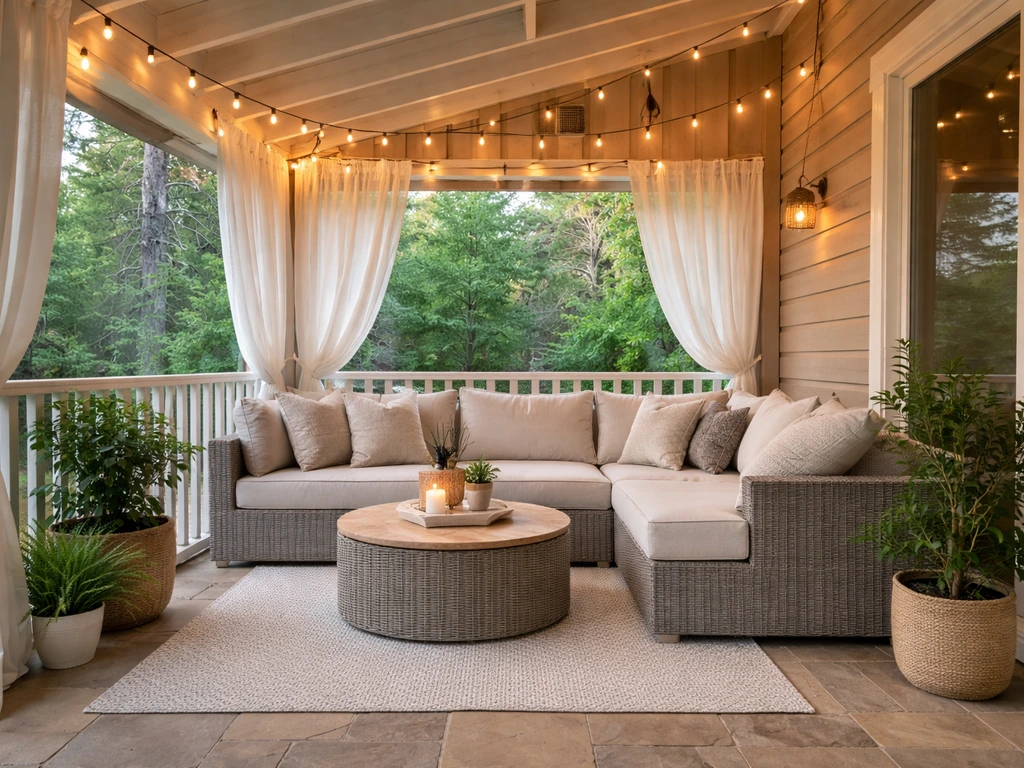
Before you buy a single thing, it helps to understand the specific conditions you're decorating around. If you are also planning an uncovered setup, start with the same conditions-first thinking in mind, since how to decorate uncovered patio depends heavily on sun, rain, and drying time. A covered patio is shadier than an open deck, which sounds like a perk, but it also means surfaces dry out more slowly. Shade slows evaporation, so moisture lingers under rugs, behind cushions, and in corners. That's the number one reason covered patios develop mildew problems that open patios don't. On top of that, airflow can be limited depending on how enclosed your roof structure is, which makes the moisture problem worse.
The practical fix isn't complicated: choose materials that dry quickly, avoid trapping moisture under or behind anything, and keep air moving. If your patio has solid walls on multiple sides, even a small ceiling fan does a lot to prevent that stagnant, damp feeling. Everything else in this guide builds on that foundation. If you're eventually thinking about enclosing your covered patio further or adding screens, those decisions will also affect how you decorate, since an enclosed patio has its own decorating logic. If you're curious about the next step after a covered setup, the guidance in how to decorate an enclosed patio can help you plan for the extra privacy, airflow, and styling considerations.
Plan your layout before you buy anything
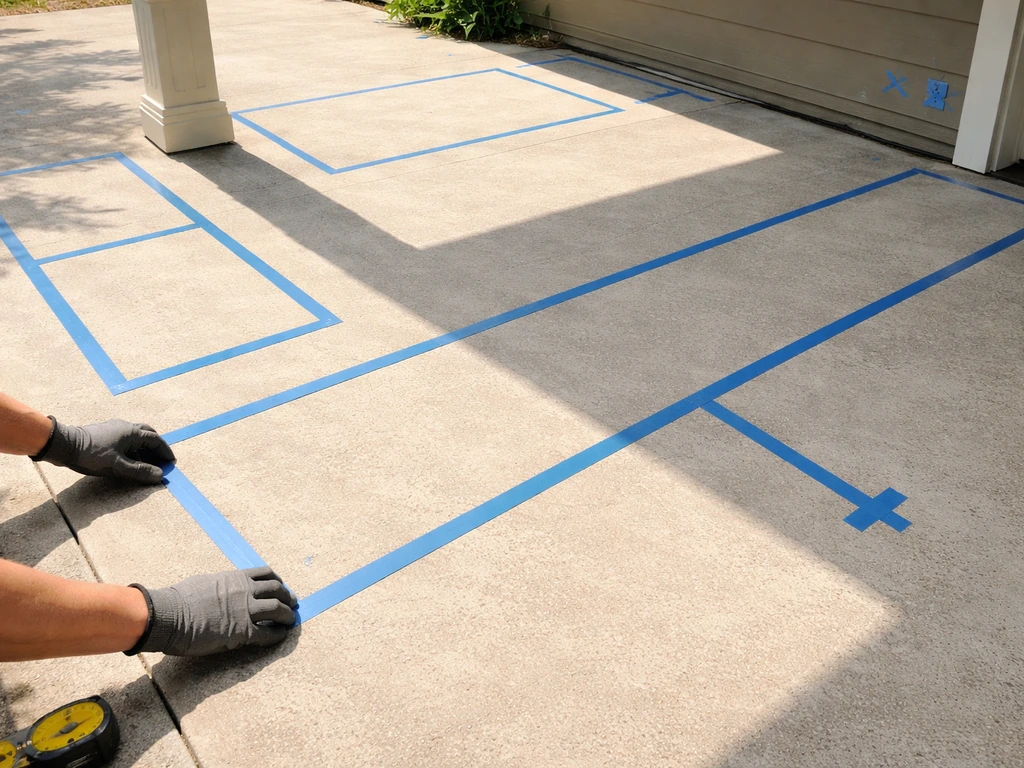
Sketch a rough footprint of your patio and mark where the entry points are, where support posts or columns fall, and where outlets and overhead fixtures already exist. Then decide whether you want one zone or two. A covered patio of 12 by 16 feet or larger can usually hold a seating group and a small dining table without feeling cramped. Smaller than that, pick one primary use and make it great.
For circulation, leave at least 36 inches of clear walkway between any furniture grouping and the nearest wall or post. That keeps the space from feeling like an obstacle course. If you're placing a dining table, account for chair pull-out: you need roughly 24 to 36 inches behind each chair for comfortable movement. When you start thinking about layout and zoning for a longer space, the guidance in how to decorate a long narrow patio can help you keep flow and furniture balance working together. Plot that out on paper before you order a table that's two inches too wide for the space.
- Seating zone: anchor with a sofa or loveseat and two chairs arranged to face each other, with a coffee table centered between them
- Dining zone: position the table close to the house wall or a side wall so it doesn't eat the middle of the patio
- Circulation path: keep a clear 36-inch lane from the door to the yard
- Utility corner: plan a spot near an outlet for a side table, bar cart, or storage bench so it doesn't end up in the middle of a walkway
Choose furniture and materials that handle moisture and shade
This is where a lot of people make expensive mistakes. Covered doesn't mean fully protected. Rain blows in, humidity sits, and anything that can absorb moisture will eventually mildew or rot. The materials that consistently hold up best outdoors are powder-coated aluminum, all-weather wicker (resin, not natural), teak, and concrete. Carl Hansen & Søn notes that outdoor teak furniture should be regularly maintained with teak oil to help preserve its color. Of those, powder-coated aluminum is usually the easiest to maintain: it's rust-resistant, lightweight, and comes in a wide range of styles and price points.
| Material | Moisture Resistance | Maintenance Level | Best For |
|---|---|---|---|
| Powder-coated aluminum | Excellent | Low | Frames, chairs, dining sets |
| All-weather resin wicker | Good | Low to medium | Lounge chairs, sofas |
| Teak | Excellent (when oiled) | Medium | Tables, benches |
| Concrete/stone | Excellent | Low | Tables, planters, side pieces |
| Natural wood (untreated) | Poor | High | Not recommended for covered patios |
| Natural wicker/rattan | Poor | High | Not recommended outdoors |
For cushions, fabric matters more than you'd think. Solution-dyed acrylic, sold under brand names like Sunbrella and Outdura, is the gold standard. The color is dyed into each fiber rather than printed on top, so it resists UV fading and doesn't absorb water the way cheaper polyester cushion covers do. It also resists mold and mildew. It costs more upfront but lasts three to five times longer than bargain cushions. If your budget is tight, at least look for cushion covers labeled solution-dyed acrylic and pair them with a less expensive base fabric.
Layer your lighting for evenings and ambiance
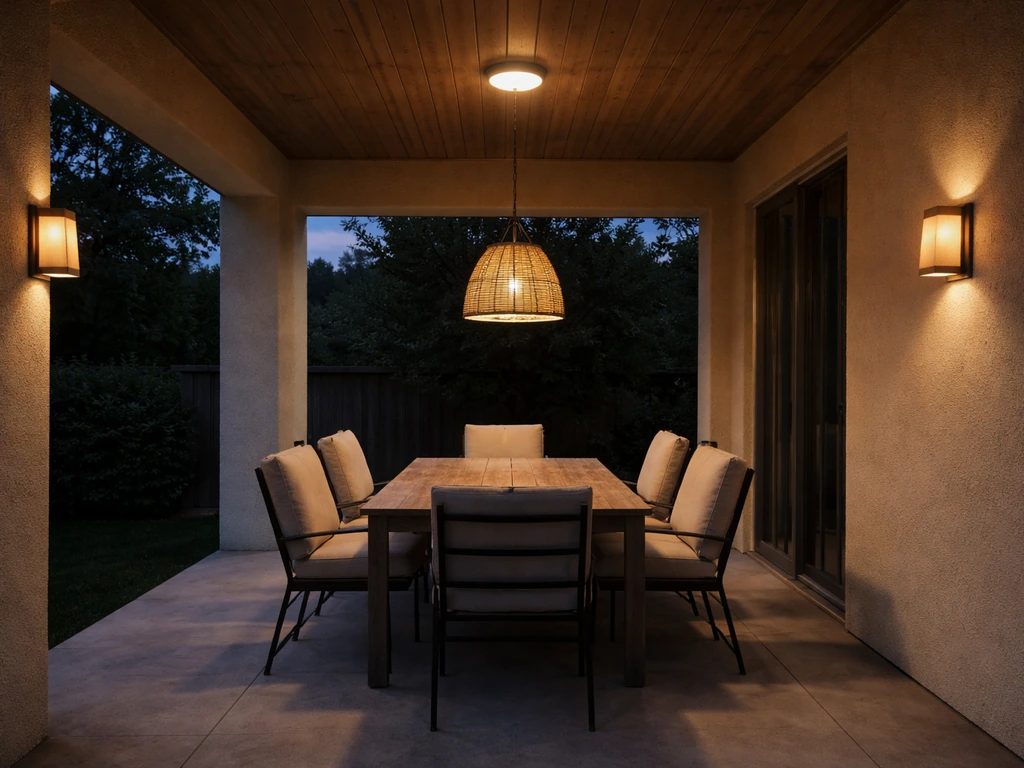
Covered patios are naturally darker than open spaces, even during the day, so lighting deserves real attention. A single overhead fixture in the center of the ceiling will give you adequate light but zero atmosphere. The approach that actually works is layering three types: ambient, task, and accent.
- Ambient: ceiling-mounted flush lights, a pendant over the dining table, or wall sconces flanking the door. These give you overall brightness for evenings.
- Task: a directional light over the grill area or a portable table lamp on a side table near seating. Useful for reading or cooking.
- Accent: string lights draped across the ceiling or wrapped around posts, plus uplighting for planters or architectural details. This is what creates the cozy, 'room-like' feeling.
Safety is non-negotiable here. Any fixture installed in a covered patio needs to be rated for damp or wet locations, depending on how much rain exposure your specific setup gets. blank" rel="noopener noreferrer">All outdoor outlets must be GFCI-protected, full stop. Eaton’s NEC reference document explains that the blank" rel="noopener noreferrer">NEC 2020 edition expanded requirements for GFCI protection for outdoor outlets via Article 210.8(F). If you're adding string lights and plugging them in outside, make sure the strand is outdoor-rated and that the outlet has a GFCI breaker or receptacle. If there's no outdoor outlet where you need one, hire an electrician to add one rather than running an extension cord. A covered patio with string lights and good sconces looks intentional and finished; one with a bright work light plugged into an extension cord looks like a job site.
Style the floor, walls, and soft furnishings
Outdoor rugs
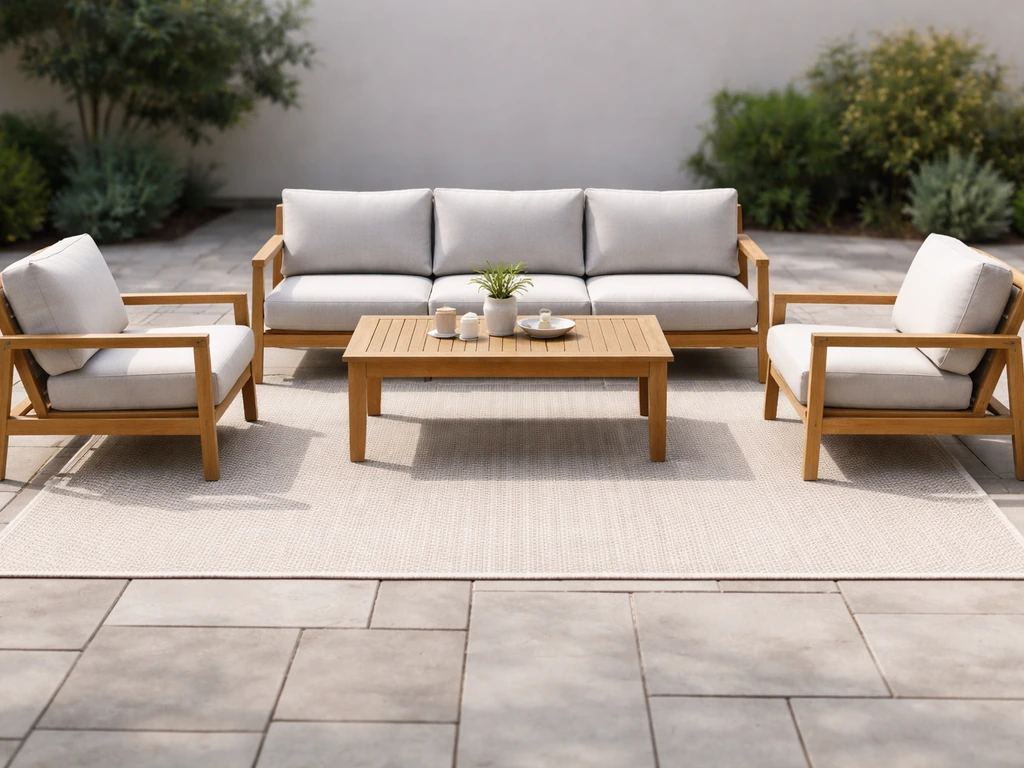
An outdoor rug is one of the single fastest ways to make a covered patio feel like a room. For a seating group, size the rug so all four legs of the sofa and chairs sit on it. For a dining table, extend the rug at least 24 inches beyond the table edge on all sides so chairs stay on the rug when pulled out; 36 inches is more comfortable. The key maintenance rule for covered patios: lift the rug periodically, maybe once a month in wet seasons, and let the floor underneath fully dry before putting it back. Moisture trapped between the rug and the floor is the fastest way to grow mildew on both surfaces.
Curtains and shades
Outdoor curtains do double duty: they add privacy and give the patio a softer, more furnished look. Use panels made from solution-dyed acrylic or another all-weather fabric, and make sure the hardware is rust-proof or corrosion-resistant. Nickel-plated or stainless grommets are worth paying for; cheap galvanized hardware will rust and stain your curtains within a season. Hang curtains from the ceiling or from a tension rod mounted between posts so they can actually swing open and closed. A panel that's purely decorative and never moves still needs to be secured at the bottom so it doesn't whip around in wind.
Wall art and vertical decor
Bare walls on a covered patio make the space feel unfinished even when everything else is in place. If you want a finished look, the right approach to how to decorate a patio wall will also help you choose wall-safe materials and placements. Outdoor-rated wall art, metal sculptures, and decorative mirrors all work well. Once your patio wall materials are chosen, you can focus on decorative elements like art, planters, and vertical accents to bring the whole space together how to decorate a patio wall. The critical detail is hardware: use marine-grade stainless steel screws and anchors for anything mounted on an exterior wall. Standard drywall anchors and zinc screws will corrode and fail. Outdoor art should be sealed or rated for UV, humidity, and temperature swings. Avoid anything made from natural wood, paper, or unsealed clay unless you're committed to bringing it inside during wet weather.
Privacy screens
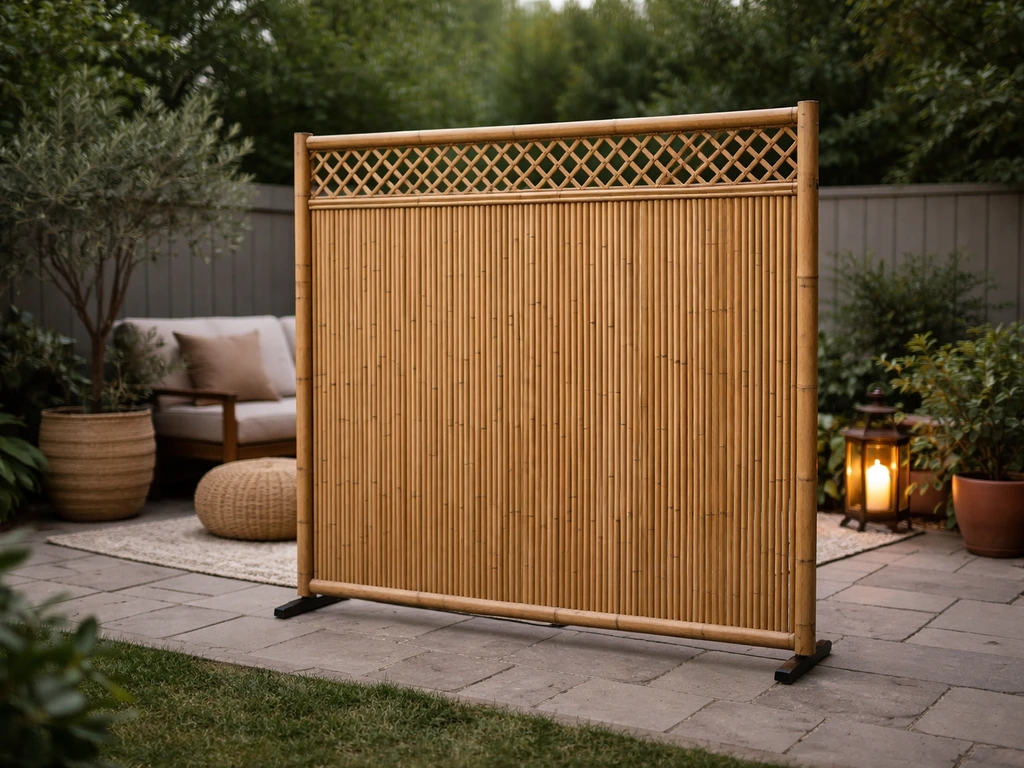
If your patio is visible from a neighbor's yard or a busy street, a privacy screen transforms the feel of the space entirely. Freestanding bamboo or composite screens, lattice panels, or outdoor fabric screens mounted between posts all work on covered patios. When mounting panels, follow the hardware spacing instructions and make sure bracket anchors sit at least 4 inches up from the floor surface to keep them out of standing water. For a more finished look, paint or stain the screen frame to match your patio's color palette.
Use plants and planters to make it feel like a room
Plants are the element that takes a decorated patio from 'nice' to 'somewhere you actually want to spend time.' On a covered patio, the challenge is lower light. Most flowering annuals need direct sun, and a covered patio usually doesn't deliver that. The fix is leaning into shade-tolerant plants: hostas, heucheras, impatiens, begonias, and ferns all thrive in low-light container situations. Mix foliage textures and heights in larger planters rather than planting one type per pot; a tall fern with a trailing heuchera and a compact begonia looks intentional and full.
Drainage is non-negotiable. Every pot needs at least one drainage hole, and you need to keep that hole clear. On a covered patio, containers don't get rained on as consistently as open garden beds, so overwatering is the more common problem. Waterlogged soil leads to root rot, and a pot without drainage has no way to recover. Use pots with drainage holes and set them on pot feet or a tray with a layer of gravel so air circulates under the base.
For layout, think in terms of defining the room's edges. A row of tall planters along the open side of a covered patio creates a soft visual wall without blocking airflow the way a solid fence would. Flanking the entry with matching planters is a classic move that immediately frames the space. Hanging planters from the ceiling work well for trailing plants like pothos or string of pearls in warmer climates, but make sure the hook and ceiling mount can handle the weight when the soil is wet.
Finishing touches and how to keep it looking good year-round
The difference between a patio that looks like a magazine photo and one that looks like a jumble of outdoor furniture is usually the finishing layer: a fire table or fire bowl as a focal point, a bar cart or storage bench to hold tools and extras out of sight, throw blankets rated for outdoor use in a basket near the seating, and a few outdoor-safe lanterns with candles or battery flames grouped on the coffee table. These small additions signal that the space is used and cared for, not just set up.
For ongoing maintenance, build a simple seasonal rhythm. If you are also wondering when to uncover patio furniture after winter, keep an eye on when cushions and frames are fully dry and the weather is reliably mild. At the start of spring, pull cushions out of storage, check that rugs are clean and dry, wipe down furniture frames, and swap any dead container plants for fresh ones. Midseason, lift the rug once and let the floor dry for a day. At the end of the season, clean cushions thoroughly and make sure they are completely dry before storing them. Damp cushions stored in a bin or bag will mildew badly over winter. If you can't store them in a dry indoor space, at least cover them with a breathable protective cover rather than a sealed plastic tarp, which traps moisture.
If you want to go further, consider adding a ceiling fan for airflow and comfort, upgrading a plain concrete floor with outdoor tile or a painted pattern, or adding a shade sail or motorized screen on the open side. Those upgrades edge toward the territory of an enclosed patio, which has its own set of decorating decisions worth planning separately. But even with just the steps above, a covered patio can go from an afterthought to the most-used space in your backyard.
FAQ
What’s the best way to choose furniture if my covered patio still gets a lot of wind-driven rain?
Treat it like a partially sheltered space and prioritize pieces that tolerate wetting and fast drying. Powder-coated aluminum and resin wicker are safest, but also look for cushions with sealed zippers and fabric that dries quickly. If rain hits directly, skip anything with exposed fabric backs or untreated wood, and keep furniture elevated slightly using rubber feet to prevent wicking.
How can I prevent mildew on rugs and cushions without bringing everything inside every week?
Build a routine around airflow and timing. After rainy stretches, lift rugs at least once, fan or run a small fan for a few hours, and blot cushions that feel damp before leaving them to dry. Use breathable covers when you must cover items, avoid sealed plastic, and store fabric cushions only when they are fully dry (no cool-to-the-touch dampness).
Should I place an outdoor rug on concrete directly, or use a mat underneath?
A thin breathable outdoor mat or rug pad can help with grip and reduce trapped moisture, but make sure it is designed for wet locations and drains. Avoid foam pads that hold water. If you use a pad, lift the rug and pad periodically so moisture does not accumulate between layers.
What lighting choices work best when the patio ceiling is low or the roof is close to the furniture?
Use a mix of low-glare fixtures and directional light. Instead of only a center overhead, add sconces or wall washers to brighten seating without harsh shadows. For low ceilings, consider surface-mounted damp-rated fixtures, and keep string lights arranged with slack that won’t sag toward wet areas.
Can I use regular extension cords on a covered patio for string lights or a TV?
It’s usually a bad idea because cords can stay damp, connectors can corrode, and overloaded circuits are a risk. Use outdoor-rated, damp or wet location cords only for temporary use, and prefer installing a dedicated outdoor GFCI outlet when a power source is needed regularly. If you plan a TV, use a weather-rated junction box and keep all connections off the floor.
How do I know whether my patio wiring and fixtures are rated for my conditions?
Look for fixture and outlet ratings that explicitly say damp or wet location, and match the rating to how often water reaches the fixture. Covered does not mean dry at the fixture level. If water drips from the roof edge where the light sits, treat it as wet-location exposure and have an electrician verify the load.
What should I do about rust stains or hardware corrosion on curtains and screens?
Use corrosion-resistant hardware from day one, stainless or marine-grade fasteners for mounting, and avoid galvanized hardware that can bleed rust. For removable curtain hardware, rinse and dry it after heavy rain, especially in coastal or humid climates. If you already have rust, replace stained grommets because rust can transfer to fabric.
Are shade-tolerant plants still okay if my covered patio gets some direct sun for part of the day?
Yes, but choose based on hours and intensity. Many shade-tolerant options tolerate brief morning light, but midday sun can scorch them under a roof. Try placing the most sun-sensitive plants deeper under the cover, and if you see leaf scorch or crispy edges, move to a cooler corner or switch to tougher foliage plants.
How much drainage do container plants need on a covered patio, especially if it never rains directly on them?
Use pots with drainage holes and keep the outlet clear, then be careful with watering schedules. Because covered patios reduce rainfall, overwatering is common, even if the soil looks dry on top. Use pot feet or a gravel-under-tray setup so air circulates under the pot, and empty any standing water from saucers.
What’s the easiest way to improve privacy on a covered patio without blocking airflow?
Use planters or lattice with spacing rather than a solid wall. Tall but narrow planters along the open edge create a visual boundary while still letting air move. If you install a screen between posts, keep it off the floor slightly (at least a few inches) to reduce splash and standing water exposure on brackets.
How do I measure for an outdoor rug so chairs still sit on it during use?
Measure the footprint of your main seating group and account for how far chairs pull out. For a dining setup, plan for the rug to extend beyond the table edge at least enough for chair movement, then confirm with a test pull-out from the table you intend to buy. If you are between sizes, choose the larger option since moisture and uneven drying are worse when rugs are too small.
Is it worth upgrading the patio floor if it’s concrete, and what’s the most maintenance-friendly option?
Often it is, but prioritize breathable, outdoor-rated finishes. Outdoor tile can work well if installed correctly for drainage and mortar suitability, while painted concrete needs a compatible exterior coating and regular cleaning to prevent peeling. For the least fuss and quick refresh, consider interlocking outdoor tiles that can be lifted for drying and cleaning, but ensure they are made for wet conditions.
Next Articles
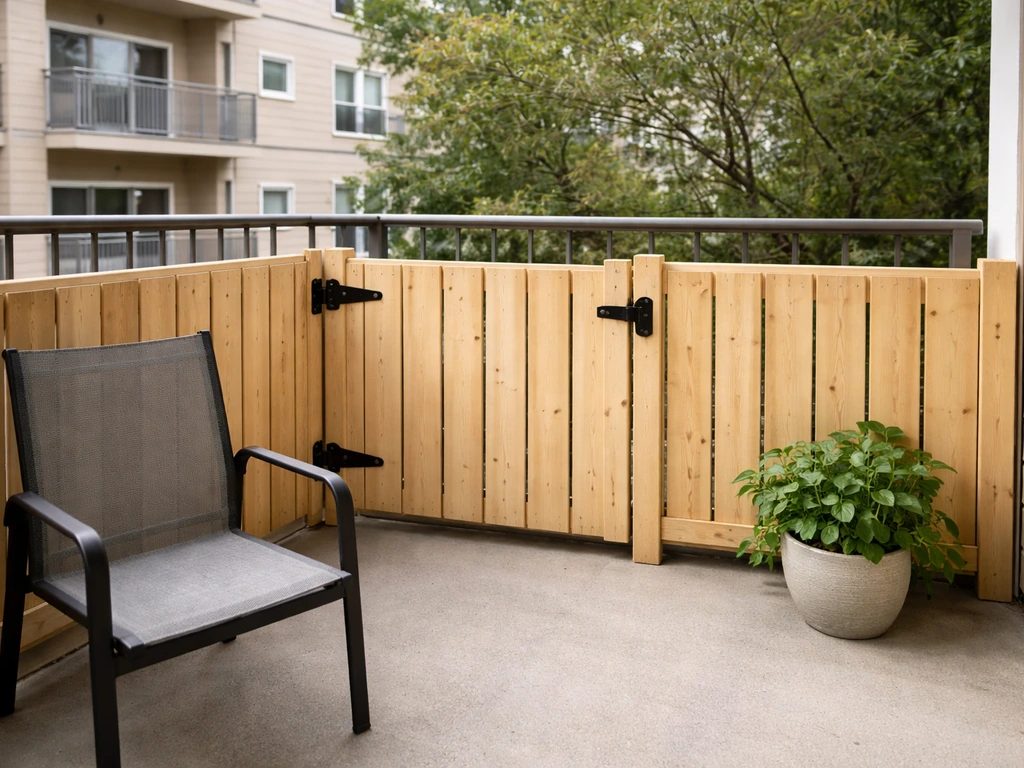
How to Fence In an Apartment Patio: Step-by-Step DIY Guide
Step-by-step guide to fence an apartment patio with HOA and code checks, renter-safe materials, secure mounting, gates,
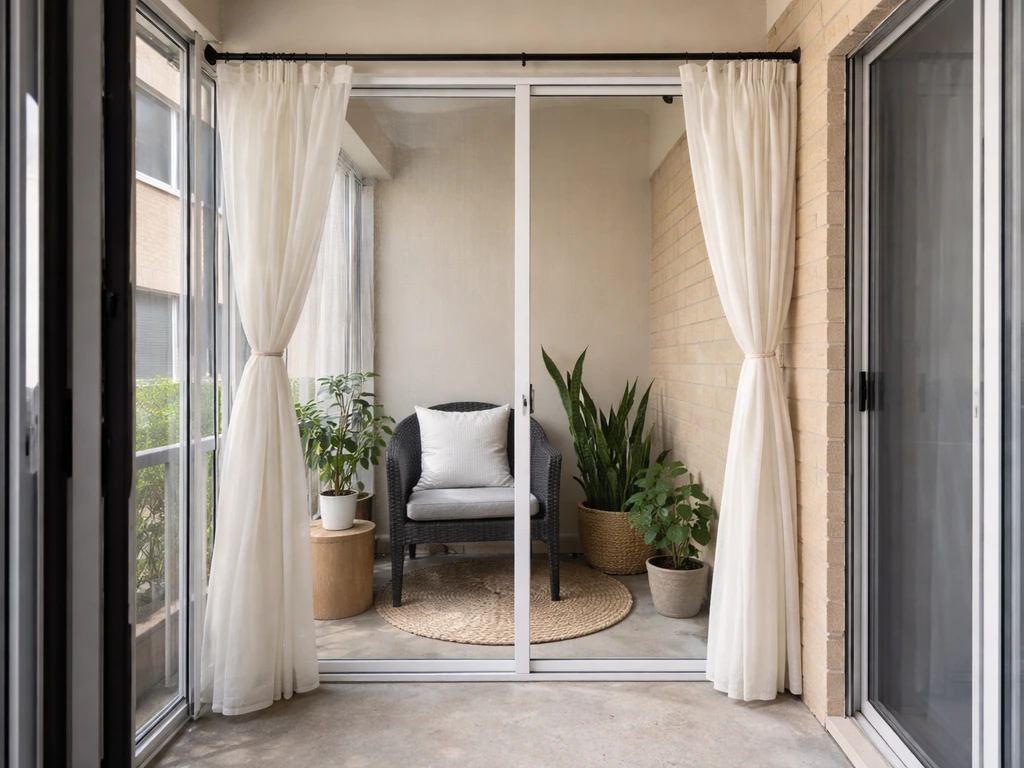
How to Close Off an Apartment Patio: DIY Options
DIY ways to enclose an apartment patio with screens, panels, covers, or curtains, plus code, drilling, and leak-preventi
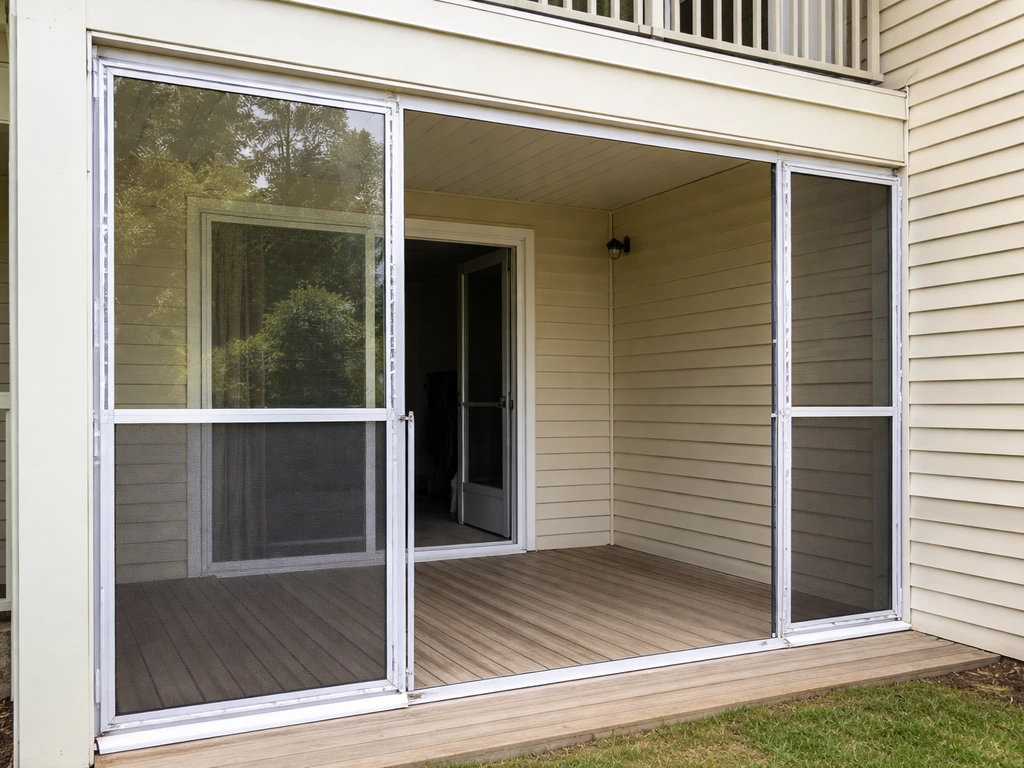
How to Enclose an Apartment Patio: DIY Step-by-Step
Step-by-step DIY plan to enclose a first-floor apartment patio with screen or glass panels, doors, sealing, and permits.