You can absolutely make an uncovered patio look and feel like a real outdoor room, you just have to work with the weather instead of against it. That means choosing materials rated for full sun and rain exposure, adding your own shade and privacy since no roof is doing that work for you, and layering in lighting and accessories designed to handle moisture. Done right, an open-air patio can be more inviting than an enclosed one, especially during spring and fall when you want sky overhead and a breeze moving through.
How to Decorate an Uncovered Patio: Step-by-Step Guide

Felix Brennan
29 Apr 2026
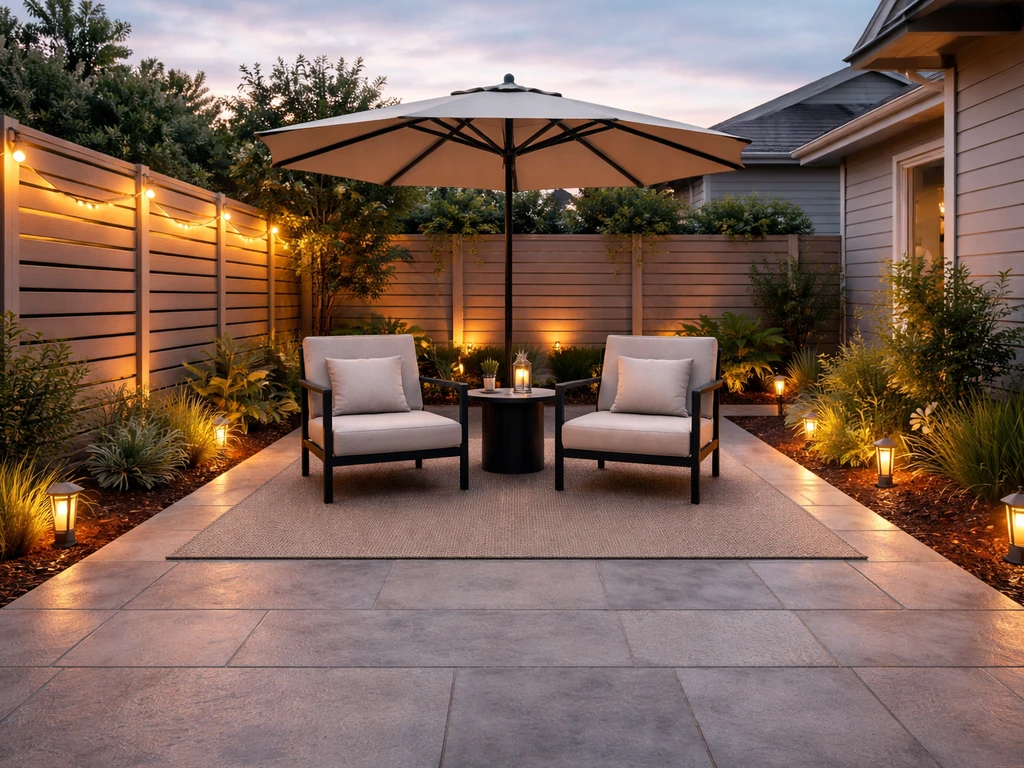
Start by figuring out what your patio actually needs
Before buying a single thing, spend ten minutes thinking through your real constraints. An uncovered patio has specific challenges that a covered one doesn't, and skipping this step is exactly how people end up with faded cushions and rusty furniture frames after one summer. If you want a more step-by-step approach, see this guide for how to decorate back patio for inspiration on layout, seating, and finishing touches.
Ask yourself these questions first: Which direction does the patio face? A west-facing slab gets brutal afternoon sun. Is it exposed to wind, or sheltered by a fence or house wall? How much rain does your region get, and does water pool on the surface after a storm? Do you use it year-round or mostly May through October? And what's your honest budget, not the aspirational one, but the real one you'll actually spend this season?
Your answers will shape every decision below. A shaded north-facing patio needs different fixes than a sun-blasted south-facing one. A patio in the Pacific Northwest needs more aggressive waterproofing than one in Phoenix. Once you know your constraints, you can prioritize: most people should address comfort first (shade, seating, weather protection), then aesthetics (lighting, planters, textiles). If you're comparing approaches for a covered version of this project, the logic shifts quite a bit since a roof handles the sun and rain question for you.
The goals worth setting before you shop
- Make the space actually usable — shade, seating, and some weather protection come before decor
- Choose materials rated for outdoor/wet exposure so nothing deteriorates after one season
- Create a defined 'room' feeling even without walls or a ceiling
- Work within a realistic budget and leave room for seasonal maintenance costs
- Plan for easy off-season storage or protection if you live in a region with hard winters
Weather-proofing and basic comfort upgrades
This is the unglamorous work that makes everything else last. On an uncovered patio, every surface, fabric, and fixture is going to get rained on, baked in UV, and possibly frozen. Materials that aren't rated for this will look terrible within a year and need replacing, which costs more in the long run than buying the right thing once.
Surface and drainage basics
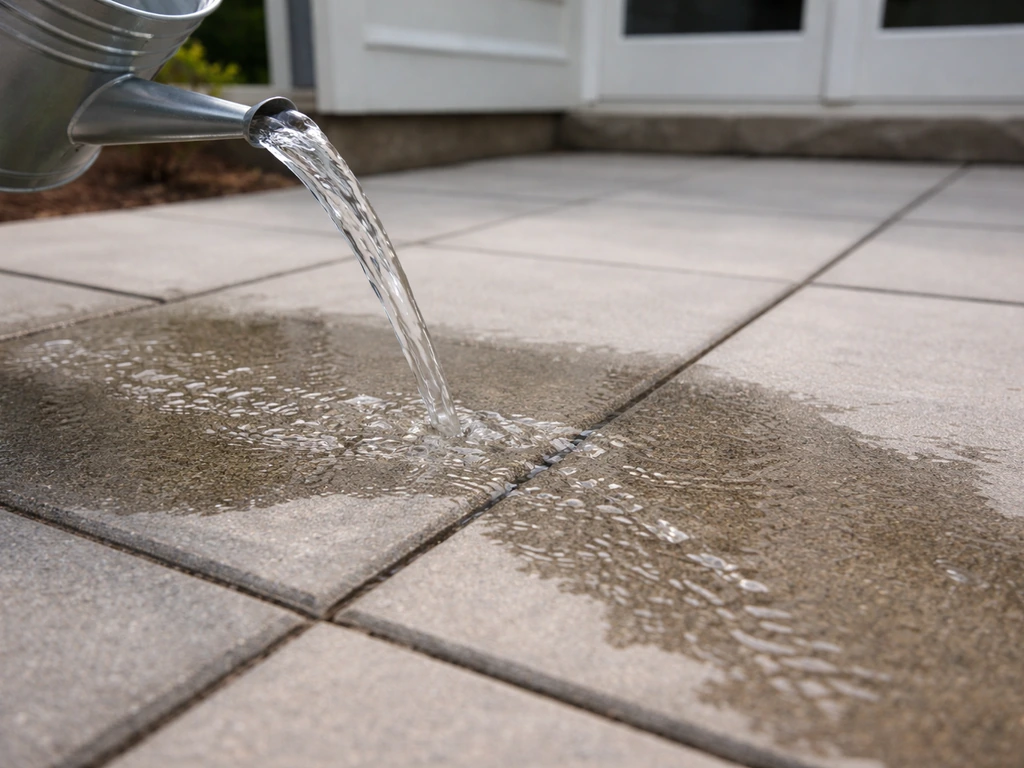
Check that your patio surface drains properly after rain. Concrete or paver slabs should slope away from the house at roughly 1/8 to 1/4 inch per foot. If water pools, you'll have a hard time keeping rugs, furniture legs, and any electrical accessories in good shape. A simple fix for minor pooling is resetting a few pavers or adding a channel drain at the low edge. If the concrete itself is cracked or spalling, patch it before decorating, it's much harder to fix later once furniture and rugs are in place.
Furniture and textile ratings
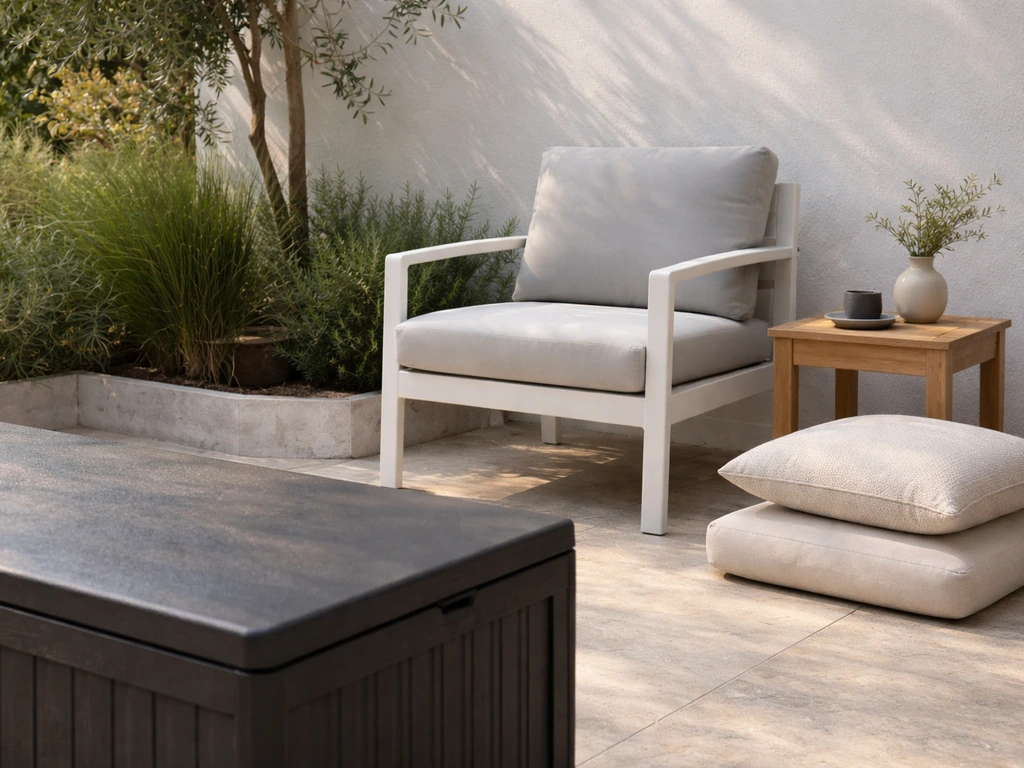
For an uncovered patio, stick to furniture frames made from powder-coated aluminum, teak, cedar, HDPE (recycled plastic lumber), or resin wicker with an aluminum frame. Wrought iron looks great but needs annual touch-up painting to prevent rust. Avoid untreated steel or particle-board-core furniture entirely. For cushions and fabrics, look for Sunbrella or comparable solution-dyed acrylic fabrics, they're UV-stabilized, resist mildew, and can be hosed off. Standard polyester outdoor fabric will fade and grow mildew noticeably faster.
Even with great materials, store cushions inside or in a weatherproof deck box during extended rain or off-season months. A lidded storage ottoman does double duty as seating and cushion storage, genuinely useful on a space without a covered storage area nearby.
Electrical safety outdoors
Any outlet or circuit powering lights or accessories on an uncovered patio must be GFCI-protected, this is a code requirement, not a suggestion. Outdoor outlets exposed to weather should have in-use weatherproof covers. When you're running string lights or portable luminaires, only use extension cords rated for outdoor/wet use (look for 12 to 14 gauge, with the 'W' designation on the jacket for outdoor rating). All fixtures should be labeled for wet location use per UL standards, meaning they're rated for direct water contact, not just damp locations. This matters because an uncovered patio is a wet location by definition.
Outdoor flooring, rugs, and how to arrange furniture
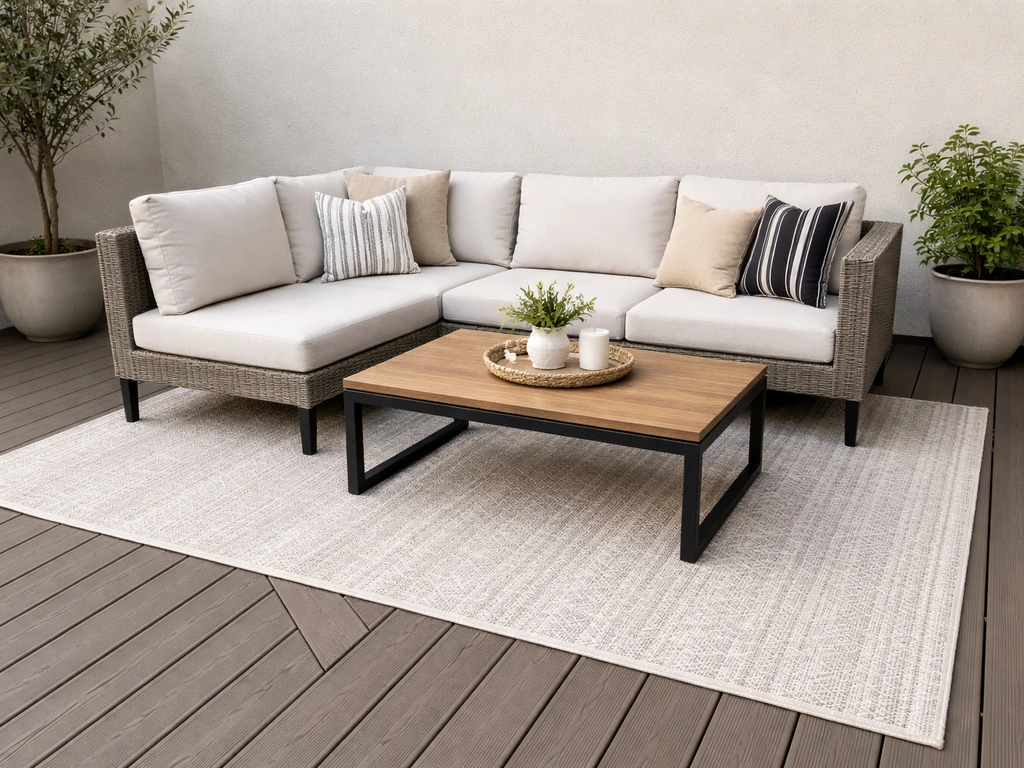
The floor is the foundation of how your patio looks and feels. Even if you're starting with a plain concrete slab, you have good options for improving it without a major renovation.
Flooring options for open-air patios
| Option | Cost Range | Best For | Key Drawback |
|---|---|---|---|
| Concrete paint/stain | $1–$3/sq ft DIY | Freshening up a dull slab on a tight budget | Needs reapplication every 2–3 years |
| Porcelain or ceramic pavers | $3–$8/sq ft materials | Durable, low-maintenance upgrade over existing slab | Requires level substrate; professional install adds cost |
| Composite deck tiles (snap-together) | $2–$5/sq ft | Renters or anyone who wants reversible upgrade | Can shift or trap debris underneath if not maintained |
| Natural stone (slate, travertine) | $5–$15/sq ft | Upscale look with longevity in dry climates | Porous varieties need sealing; slippery when wet |
| Concrete pavers | $2–$6/sq ft | DIY-friendly, durable, lots of color/pattern options | Labor-intensive to set; needs edge restraints |
If your existing concrete is in decent shape, a concrete stain or a coat of porch-and-patio paint is the fastest, cheapest refresh. For a longer-term upgrade, porcelain pavers laid over the existing slab give you a completely new surface without demolition. Snap-together composite tiles are the right call if you rent, or if you want to experiment with a pattern before committing to anything permanent.
Outdoor rugs
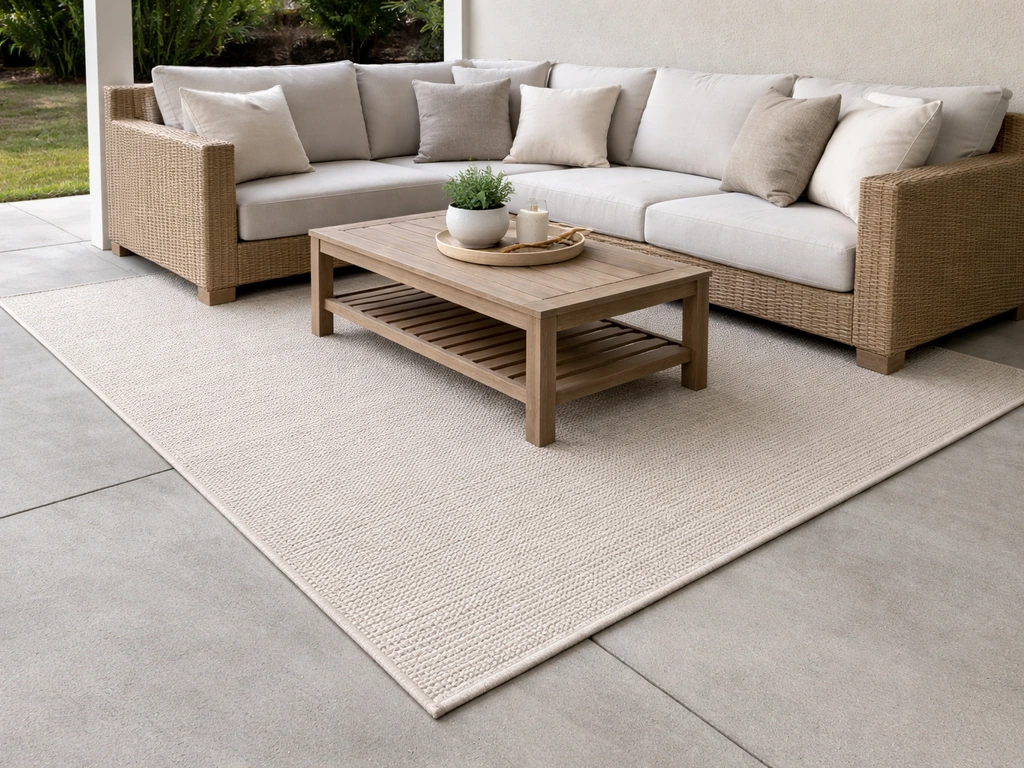
An outdoor rug is one of the single best things you can do for an uncovered patio. It defines the seating zone visually, adds warmth underfoot, and softens the look of concrete or plain pavers. For an uncovered space, use only polypropylene or polyester rugs specifically labeled for outdoor use, they're UV-resistant and dry quickly after rain. Avoid natural fiber rugs like jute or sisal outdoors; they absorb moisture, grow mildew, and fall apart within a season.
Size matters a lot. For a seating group, use a rug large enough that the front legs of all the furniture sit on it, typically 8x10 feet for a standard four-person seating arrangement. If the rug is too small, it looks like a doormat dropped in the middle of the space. For a dining set, go large enough that the chairs stay on the rug even when pulled out. In humid regions, flip and dry your rug monthly to prevent mold underneath.
Furniture layout principles
The biggest layout mistake on uncovered patios is pushing all the furniture against the walls or fence line, leaving a dead zone in the center. Instead, arrange seating to face inward, the same way you'd arrange a living room. Leave at least 18 inches of clearance between pieces for easy movement. On a small patio (under 120 square feet), a loveseat plus two chairs beats a sectional.
On a larger space, consider defining two zones: a seating area and a dining area, separated by the rug's edge or a planter. If your patio is long and narrow, this approach is especially helpful, addressing that layout challenge in more detail is worth a separate look, as narrow patios have their own quirks. A long narrow patio often benefits from zoning and layered lighting so each section feels intentional instead of cramped decorate a long narrow patio.
Shade, privacy, and wind control
This is where an uncovered patio diverges most from a covered one. You're responsible for creating your own overhead and lateral protection, and these elements double as major decorative features. Done well, they define the space's character.
Shade options
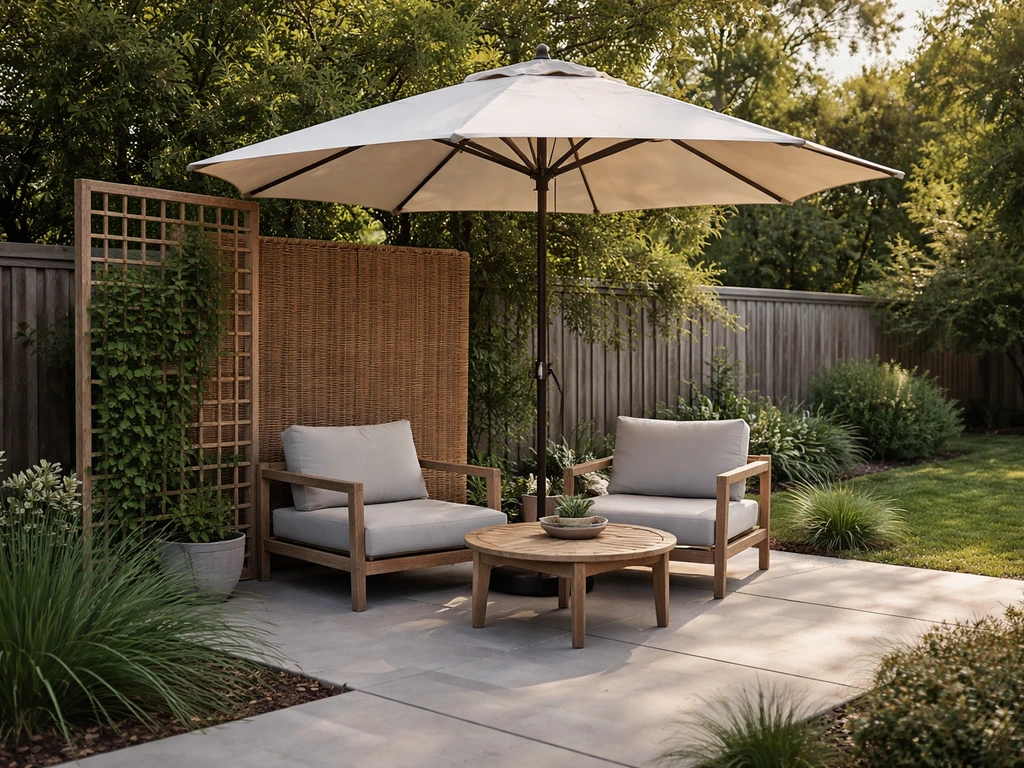
A freestanding market umbrella (9 to 11 feet diameter) is the fastest and most affordable shade solution, typically $80 to $300 depending on quality. Get one with a Sunbrella or UV-stabilized canopy and a weighted base of at least 50 pounds to keep it stable. For larger areas or a more architectural look, a shade sail stretched between wall-mounted posts or eye bolts creates a modern, angular canopy.
Shade sails work best with 3 to 4 anchor points and at least 10 to 20 degrees of slope so rain runs off rather than pooling. For a more permanent option, a pergola with shade cloth or growing vines provides structure and gradually increasing shade, and it becomes a major visual feature of the space.
Privacy screens and trellises
Privacy screens serve double duty: they block views from neighbors and define the patio as a separate room. Options include lattice panels, bamboo roll fencing, fabric privacy screens on freestanding frames, or a trellis planted with climbing vines (jasmine, clematis, and climbing roses all work well in most climates). Metal or wood privacy panels with geometric cutouts are popular right now and look great as a backdrop behind a seating area. For a DIY-friendly approach, a modular cedar or composite lattice panel attached to fence posts gives you privacy in a weekend.
Outdoor curtains and windbreaks
Outdoor curtains hung from a pergola or tension cable system between two posts are a beautiful way to add privacy, cut wind, and create an airy, room-like feel. Use curtains made from weather-resistant fabrics (acrylic canvas, outdoor polyester, or Sunbrella) and hang them using rust-resistant rings on stainless or coated rods. For windbreaks without a full curtain, dense shrub plantings in large planters, a horizontal fence panel, or a woven willow screen all cut wind effectively. Even reducing wind speed by 30 to 40 percent makes a huge difference in comfort, especially during shoulder seasons.
Lighting, planters, and the finishing layer
Once comfort and structure are handled, the finishing layer is what turns a functional outdoor space into one you actually want to spend time in. This is where most of the visual personality comes from.
Lighting for an uncovered patio
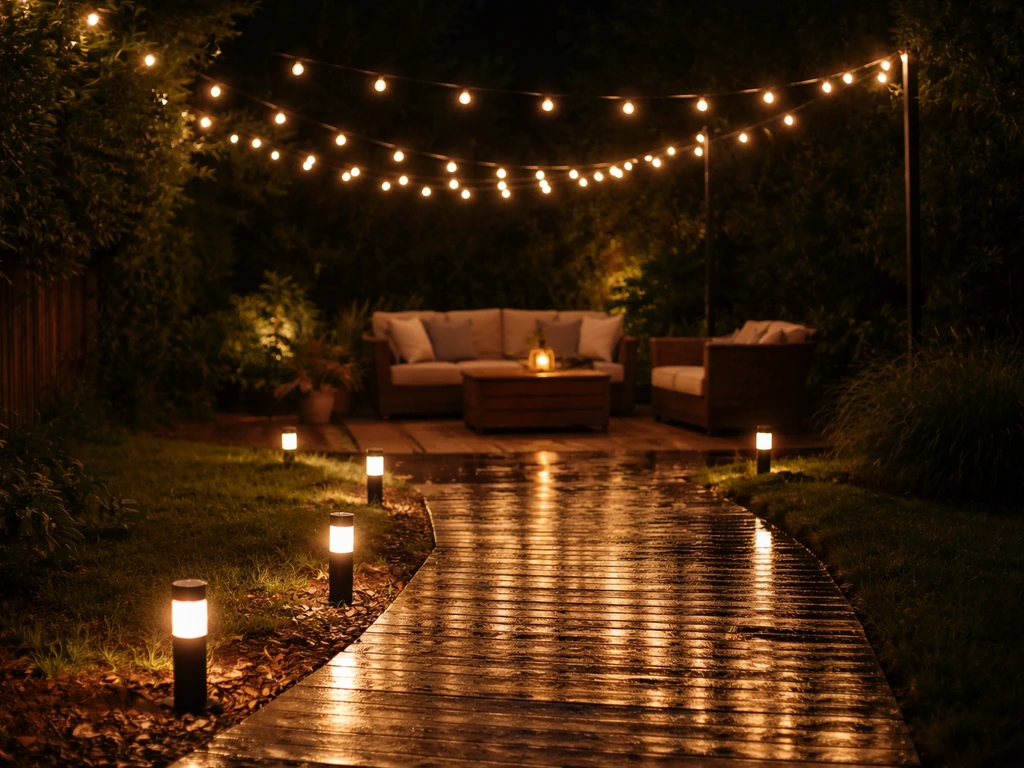
String lights are the most popular choice for a reason, they're warm, easy to install, and transform the nighttime feel of any space. Drape them in a zigzag pattern overhead between anchor points, or line a pergola's beams. The critical rule: only use string lights with sealed, waterproof connectors and UL-listed plugs, and always run them off a GFCI-protected outdoor outlet using a 12 to 14 gauge outdoor-rated extension cord if needed. Never use indoor string lights outside, even for a single season.
For path and perimeter lighting, low-voltage bollard fixtures spaced roughly 8 feet apart along a walkway or patio edge provide even, glare-free illumination. Solar bollards are an easy no-wire option for pathways, though they're less reliable in cloudy climates. Wall-mounted sconces on an adjacent house wall or fence add a polished, architectural look and provide ambient light for dining. Any fixture in an uncovered outdoor space needs to be rated for wet locations, not just damp locations, check the label before buying.
Planters and greenery
Plants bring life and softness to a hard-surface patio faster than almost anything else. Large planters (18 inches or bigger) filled with grasses, tropicals, or shrubs can define zones, anchor corners, and soften the edges of a rectangular slab. Use planters with drainage holes and elevate them slightly on feet or risers to prevent water from sitting underneath and staining the floor. Fiberglass, powder-coated metal, and concrete planters hold up best outdoors year-round. Terracotta is beautiful but cracks in freeze-thaw climates if left out over winter.
Accessories and decorative hardware
A few well-chosen accessories pull the space together without cluttering it. Outdoor throw pillows in a cohesive color palette, a side table with a built-in cooler, a weather-resistant lantern grouping, or a wall-mounted planter on the fence line all add personality without requiring structural work. For walls or fence faces, consider weather-treated reclaimed wood art, a galvanized metal wall planter, or painted cinder block shelves for an industrial-garden look. Decorative hardware like matte black or brushed nickel hooks, sconce mounts, and curtain rod brackets in rust-resistant finishes tie small details together and give the space a finished, intentional feel.
Seasonal maintenance and budget-friendly next steps
An uncovered patio requires more maintenance than a covered one, but a simple routine keeps everything looking sharp and extends the life of every item you've invested in. Once you know your materials and climate constraints, you can plan the timing for when to uncover patio furniture so it stays clean, comfortable, and protected.
Seasonal maintenance checklist
- Spring: Inspect all furniture frames for rust or cracking, touch up paint or sealant as needed, wash cushion covers, check GFCI outlets and outdoor wiring for damage
- Early summer: Rinse the outdoor rug, flip it to dry, and sweep debris from underneath; re-anchor shade sails or umbrellas before storm season
- Midsummer: Check string light connections for moisture intrusion, tighten any loose hardware on privacy screens or pergola, trim vines on trellises to prevent overgrowth
- Fall: Store cushions and textiles inside or in weatherproof storage, bring in terracotta planters before first frost, fold and bag umbrellas, drain and store any water features
- Winter (cold climates): Cover furniture that can't be stored with breathable waterproof covers, not tarps; tarps trap condensation and cause mold and mildew faster than leaving furniture uncovered
Budget-friendly upgrades by tier
| Budget Tier | Approximate Spend | Best Use of Money |
|---|---|---|
| Under $200 | $50–$200 | Outdoor rug, string lights on a GFCI outlet, two large planters, throw pillows |
| $200–$600 | $200–$600 | Add a market umbrella with weighted base, a privacy screen or lattice panel, and solar path lights |
| $600–$1,500 | $600–$1,500 | Full furniture set in aluminum or teak, a shade sail with posts, outdoor curtains on tension cables |
| $1,500+ | $1,500 and up | Pergola structure, permanent low-voltage lighting, composite deck tiles, built-in planters or raised beds |
If you're starting from scratch, the best sequence is: flooring and drainage first, then shade, then seating, then lighting, then accessories. That order ensures you're spending money on things that make the space genuinely usable before spending on things that make it pretty. A lot of people do it backwards and end up with beautiful lanterns on a patio they can't sit on in July because it gets 95 degrees with no shade.
One more thing worth knowing: decorating an uncovered patio shares a lot of DNA with decorating any open-air outdoor space, but it's a genuinely different project from decorating an enclosed patio or even a covered one. If your slab is a rectangle, you can use zoning, planters, and an outdoor rug layout to make it feel balanced and intentional how to decorate a rectangular patio.
If you are working with an enclosed patio instead, you can focus more on comfort, airflow, and moisture control while still applying the same styling principles. If you eventually want to add a roof structure or screening to what you've built here, most of the investments you make in furniture, lighting, and planters carry over cleanly.
Once you have the basics in place for a covered patio, you can focus on shade, weather protection, and finishing details that still look great even when the weather changes. Think of the uncovered version as phase one of a longer project if that helps you prioritize where to spend now.
FAQ
What should I do differently if my patio gets heavy rain or water pooling happens despite my drainage check?
For a truly uncovered patio, define your “rain plan” first. Use rugs with fast-drying outdoor labels, choose furniture that can tolerate standing moisture, and add a simple waterproof cover or tarp strategy for rainy weeks. If you do not want to constantly move items, prioritize a weatherproof storage box and select only accessories with sealed or wet-rated hardware.
How do I choose the right shade if my uncovered patio faces west or gets brutal afternoon sun?
Start with the shade math: measure the area you want to sit in at peak sun, then match the coverage of your shade (umbrella canopy diameter or shade sail run area). If the patio is west-facing, also plan for afternoon angle by using offset anchors for sails or a tilting umbrella, and place the main seating so you are not blocked by the umbrella pole.
How can I prevent mildew or mold on an uncovered patio, especially on outdoor rugs and planter bases?
Use a humidity and freeze rule. In humid climates, schedule rug drying by lifting and airing at least monthly, and keep planters elevated on risers so moisture does not wick into the floor. In freeze-thaw areas, avoid leaving terracotta planters outdoors over winter unless they are designed for freezing, and keep cushions in enclosed storage once temperatures drop.
Are GFCI outlets enough for outdoor string lights and patio accessories, or do I need extra precautions?
Plan for electrical load and weather sealing. Even with GFCI protection, do not run extension cords under rugs or where water will pool, keep connections off the ground if possible, and use only outdoor-rated, wet-location compatible fixtures. If you are adding multiple strings or path lights, consider powering everything from one weatherproof outdoor outlet with an appropriately rated cord.
Can I hang string lights on an uncovered patio during rain or does that increase risk?
Yes, if you set it up safely. Use fully wet-rated, outdoor-capable string lights with sealed connectors and outdoor plugs, then secure the wiring away from splash zones. Avoid indoor-only bulbs, avoid plugging into power strips, and do not rely on just a weatherproof extension cord connection if the fixture itself is not wet-rated.
Should I fix the patio surface first, or can I decorate right away if the concrete looks mostly fine?
You should replace any base that is shifting or spalling before styling. If you see cracks that grow, uneven settling, or flaking concrete, patch and level first, because furniture legs and rugs will highlight the problem and water will seep under cushions. Do a quick test by running water over the surface and checking for runoff direction before you buy rugs.
What are common decorating mistakes people make that make an uncovered patio look messy or awkward?
Aim for mobility and coherence. If you will store items seasonally, choose pieces that can be moved by one person (avoid very heavy planters without handles), and select a consistent palette across cushions, rugs, and umbrellas so outdoor wear does not look random. For small patios, choose a rug large enough for the front legs and keep the furniture grouping inward to avoid a “floating walkway” look.
How should I size an outdoor rug for dining, and how do I keep it from getting destroyed by chair movement?
For an uncovered patio, treat “dining rugs” differently from seating rugs. If you dine outdoors often, use a rug size that keeps chair legs on it when pulled out, then choose a thicker, tightly woven outdoor rug that resists snagging. Also plan for chair storage, because damp chair cushions will mildew faster than the tabletop items.
Can I use planters to add privacy and define zones, or will wind knock them over on a fully open patio?
Yes, but the key is placement and anchoring. Use planters with drainage holes and elevate them slightly, then use one or two large anchors rather than many tiny ones that can wobble in wind. For stability, add heavy base material inside planters (like gravel under soil) and consider powder-coated or fiberglass containers that handle both UV and freeze-thaw better than unsealed materials.
What is a practical maintenance routine, and how often should I store cushions or move items during the season?
Start with comfort layers you can remove. Choose slipcovered or removable outdoor cushion systems if available, and store cushions in a lidded deck box when rain is expected. Build the rest around “leave outside” items that tolerate weather, like powder-coated frames and UV-rated fabrics, so you are not constantly repairing or replacing cushions.
Next Articles
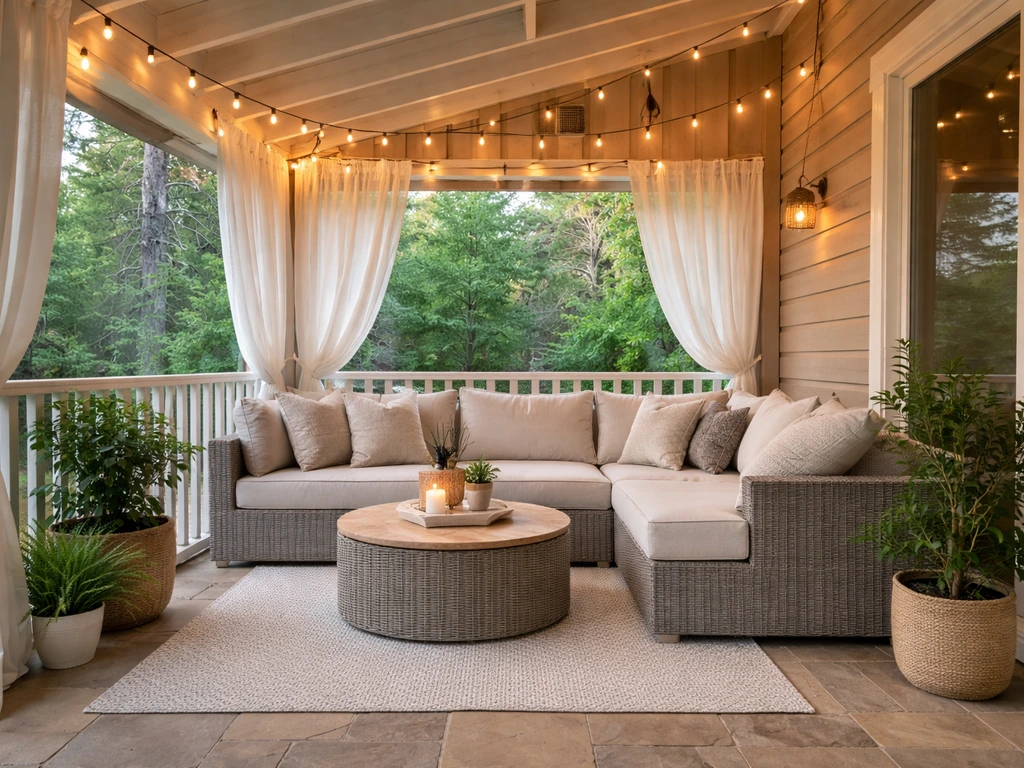
How to Decorate a Covered Patio: DIY Outdoor Room Guide
Step-by-step DIY ideas for decorating a covered patio, choosing weatherproof furnishings, lighting, rugs, curtains, scre
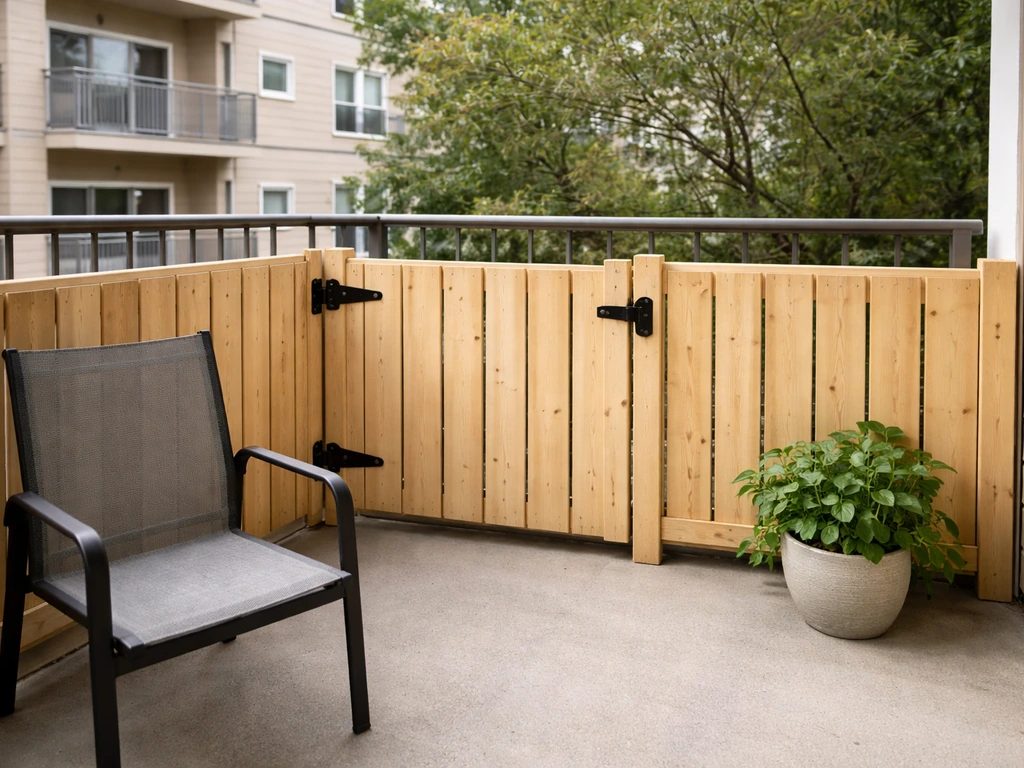
How to Fence In an Apartment Patio: Step-by-Step DIY Guide
Step-by-step guide to fence an apartment patio with HOA and code checks, renter-safe materials, secure mounting, gates,
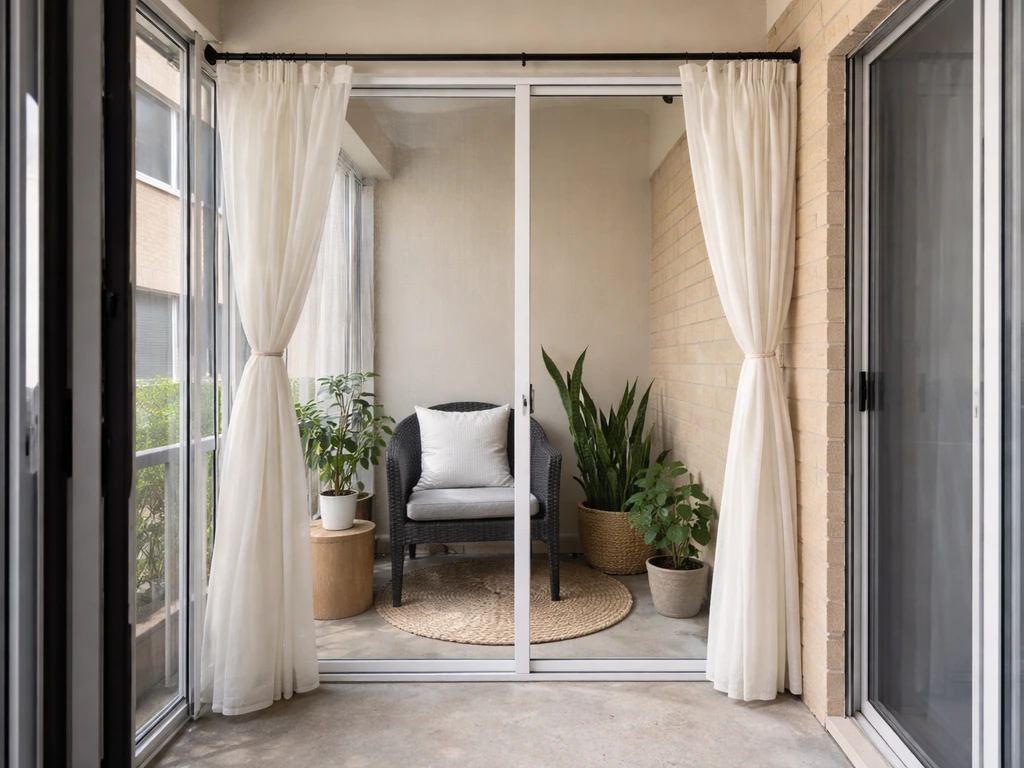
How to Close Off an Apartment Patio: DIY Options
DIY ways to enclose an apartment patio with screens, panels, covers, or curtains, plus code, drilling, and leak-preventi