
You can safely uncover patio furniture once overnight lows are consistently staying above freezing (32°F) and you're past your area's last frost date, with no rain in the forecast for at least 24 to 48 hours. That window gives you time to inspect, clean, and fully dry everything before you start using it again. If you're in mid-to-late spring and the weather looks stable, you're almost certainly good to go right now.
When to Uncover Patio Furniture: Timing and Readiness Guide

Felix Brennan
29 Apr 2026

What 'uncovering' actually involves
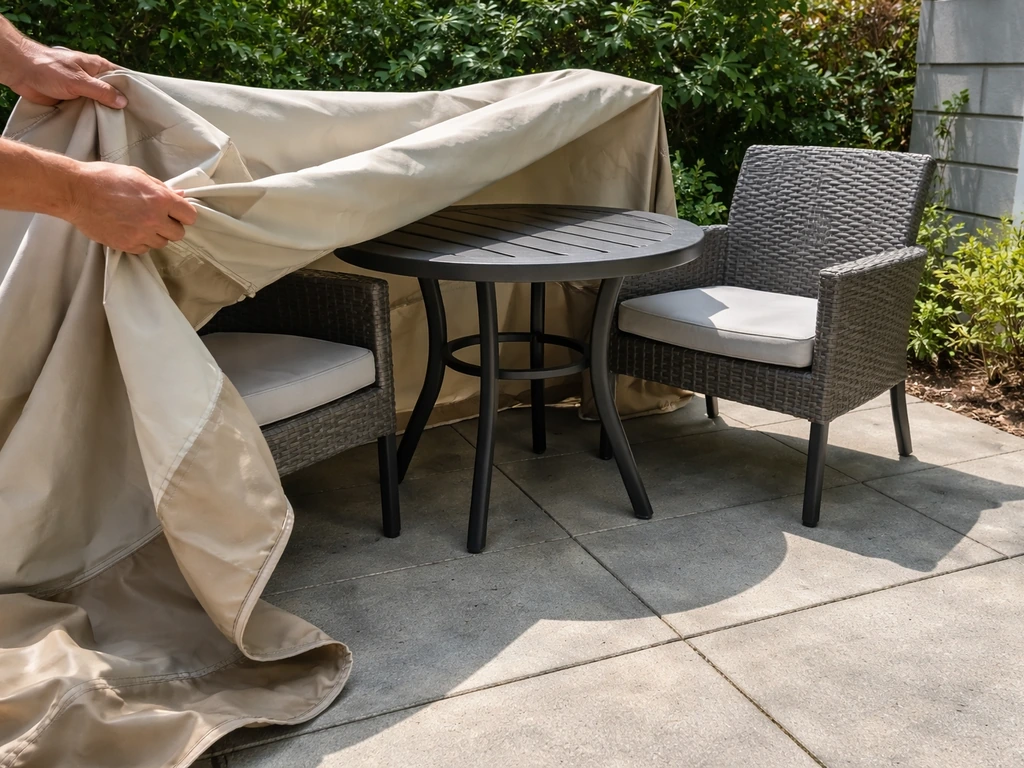
When most people say 'uncovering patio furniture,' they picture pulling a tarp off a table and chairs and calling it done. In practice it usually means three separate things: removing the outdoor covers or tarps and their securing straps from frames left outside, dragging furniture back out of a shed or garage where it was stored for the season, and retrieving cushions from wherever they were kept separately. That last part is the most important one. Cushions and slings should almost never spend winter wrapped under a cover on the frame itself, because trapped moisture in foam and fabric is the number-one cause of mildew. If yours stayed out covered all winter, plan on a thorough inspection before you sit down on anything.
When to uncover: the real timing factors
Calendar dates are only a rough guide. What actually matters is the combination of frost risk, overnight temperatures, and whether you're heading into a dry or rainy stretch. Here's how to think through each factor.
Frost and overnight lows
The last frost date for your zip code is a probability tool, not a guarantee. A quick search for your city plus 'average last frost date' will get you a typical range. Most of the US falls somewhere between late February (Deep South, Southern California) and mid-May (upper Midwest, mountain regions). Once you have that date, wait a week or two past it before uncovering, especially if you have wood furniture that can crack or wicker that becomes brittle after a hard frost. Overnight lows staying above 40°F is a comfortable threshold for most materials.
Rain and humidity timing
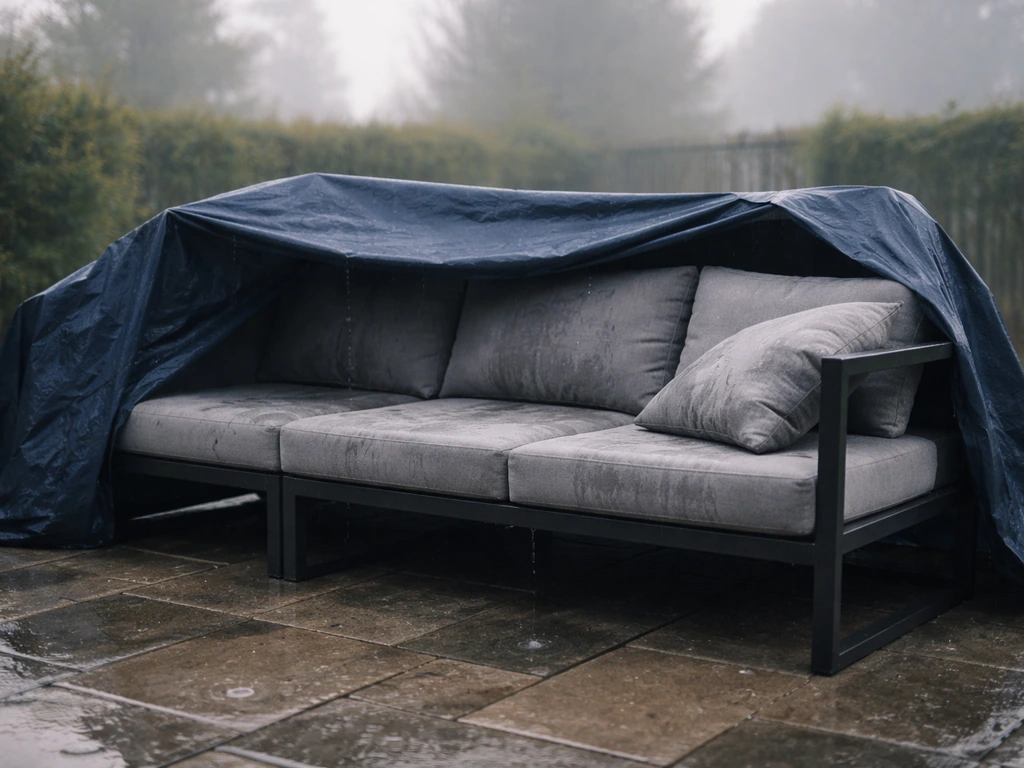
Don't uncover into a rainy week. You need at least 24 to 48 hours of dry, breezy weather after you bring everything out so cushions and frames can air out completely before you reassemble. Uncovering during a wet stretch just trades one damp situation for another. Check the forecast and pick a run of clear days before you start.
A quick regional guide
| Region | Typical safe uncover window | Watch out for |
|---|---|---|
| Deep South / Southwest | Late February to mid-March | Surprise cold snaps in March |
| Pacific Northwest | Mid-March to early April | Persistent rain well into spring |
| Mid-Atlantic / Southeast | Late March to mid-April | Late-season frost and humidity spikes |
| Midwest / Great Plains | Late April to mid-May | Late frosts and cold overnight lows |
| Northeast / New England | Early to mid-May | Frost as late as mid-May in some years |
| Mountain West | Mid-May to early June | Elevation-dependent late-season snow |
Check for damage before you do anything else
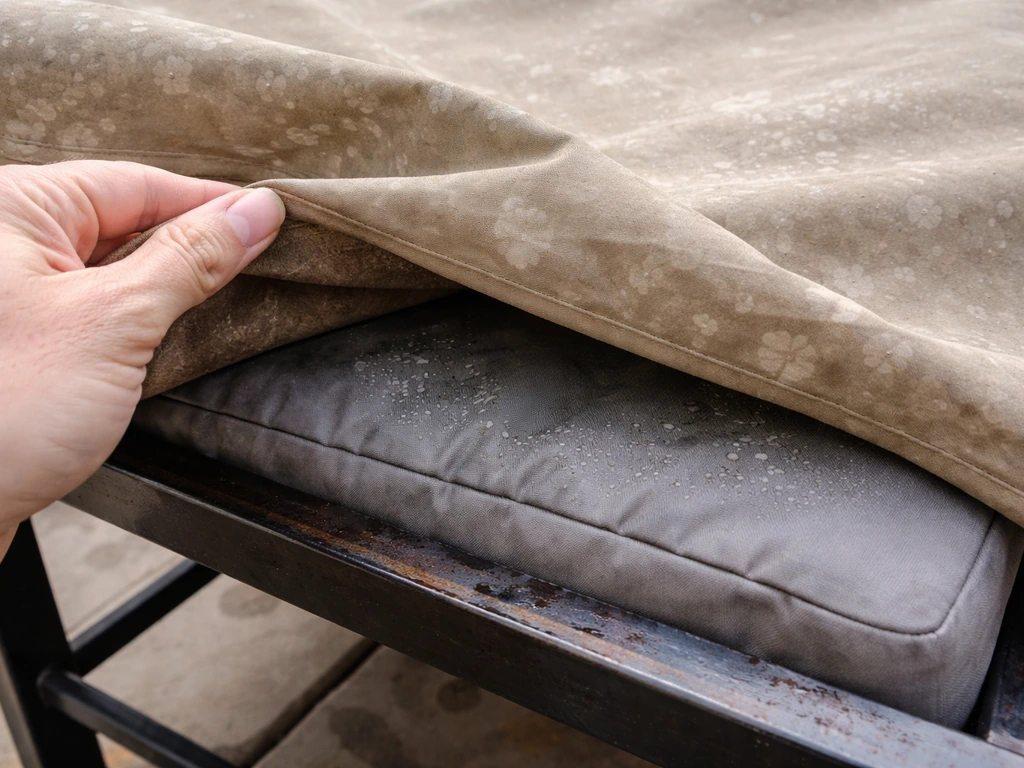
Before you drag everything out to the patio and start arranging chairs, do a quick damage inspection. When you start planning how to decorate a rectangular patio, it helps to first check frames and cushions for any damage so your layout looks good and stays comfortable. This takes about 15 minutes and saves you from sitting on a cracked frame or putting a mildew-soaked cushion against clean fabric.
- Smell the covers before you remove them. A musty or sour odor means moisture was trapped underneath all winter and mildew is already growing on the fabric or foam underneath.
- Lift covers slowly and look for visible condensation, damp patches, or white fuzzy growth on any surface.
- Check resin and plastic pieces for cracks or brittleness. Plastics are more vulnerable to freeze-thaw cycles than metal and can become fragile after a hard winter.
- Inspect powder-coated metal frames for rust spots, especially at welds and joints where water collects. Small surface rust can be addressed; deep pitting means the coating is failing.
- Check wicker wrapping (whether natural or synthetic resin wicker) for splits, loose strands, or sections that have started to unravel.
- On wood furniture, look for cracked or splintered slats, swollen joints that won't move freely, and any gray or black staining that indicates mold.
- For any furniture with hinges, folding mechanisms, or adjustable parts, try them manually before you assume everything is working.
If cushions were stored separately (which is ideal), inspect those independently. Press firmly into the center of each cushion. If it feels damp or cold inside, it needs to air out for at least 24 to 48 hours in a dry, sunny spot before you put it back on the furniture. If there's a mildew smell, that's a problem you need to fix before use, not something you can cover up by leaving the cushion in the sun for an hour.
How to clean and dry everything properly
The goal here is getting everything completely dry before it goes back into use. 'Mostly dry' is what causes mildew. Here's the process by material type, all using the same safe principle: mild soap, water, rinse well, and air-dry thoroughly.
Cushions and fabric
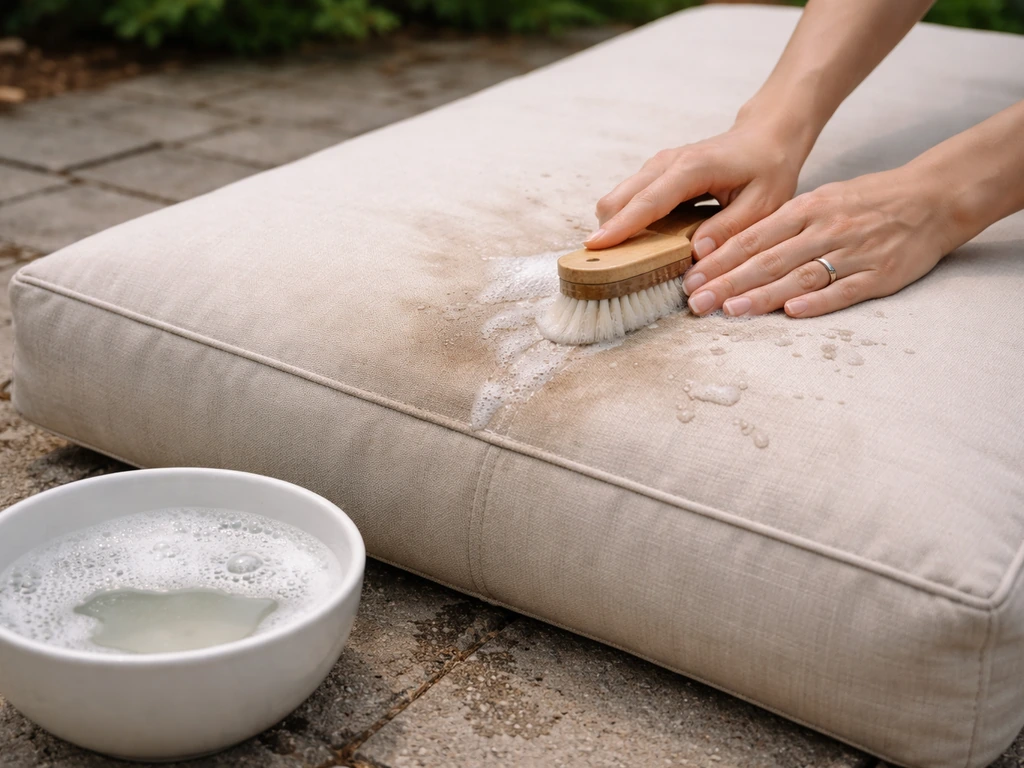
- Brush off any loose debris or dried dirt with a soft brush.
- Mix a small amount of mild dish soap (not bleach, not pine-oil cleaners) with lukewarm water.
- Spot-wash stained areas and scrub gently with a soft brush or cloth.
- Rinse thoroughly with a garden hose. Soap residue left in the fabric will attract more dirt.
- Stand cushions on their edges or prop them vertically so air can circulate on both sides.
- Let them air-dry for a full 24 to 48 hours before placing them back on furniture. Press the center of the foam when you think they're dry — if it's still cool to the touch, give it more time.
For stubborn mildew stains on outdoor fabric, some manufacturers allow a diluted bleach solution (roughly 1 tablespoon of bleach per quart of water) followed by a thorough rinse, but check the fabric label first and do a small test patch. Bleach can fade colors and damage certain finishes.
Metal frames (powder-coated aluminum, steel)
Use mild soap and water applied with a soft cloth or sponge. Avoid abrasive scrubbers or harsh cleaners because they scuff powder-coat finishes and remove the protective layer that prevents rust. Rinse well, then towel-dry the joints and welds where water pools. If you spot small rust patches on bare steel, a light sand with fine-grit sandpaper followed by a touch-up with rust-inhibiting spray paint will stop it from spreading.
Resin, plastic, and resin wicker
These are easy to clean but people often skip the rinse step, leaving soap film that makes surfaces feel sticky. Wipe down with a mild soap-and-water solution, rinse completely with a hose, and let air-dry. Even though plastic doesn't rust, mold and mildew grow on it just as readily as on fabric when it's stored damp. Don't skip the drying step.
Natural wicker and wood
Natural wicker and wood are the most sensitive to moisture. Rinse lightly (don't soak wood), wipe with a damp cloth and mild soap, then dry immediately with a towel and leave in a sunny, breezy spot for at least a full day. If your wood furniture has a teak or oil finish, this is also a good time to apply a fresh coat of teak oil or wood sealant if the surface looks dry or gray.
Reassembling and checking safety before you sit down
Once everything is clean and dry, reassembly is usually straightforward, but don't rush the safety check. Winter storage does funny things to hardware, joints, and fasteners.
- Tighten all bolts and screws. Frames that were stored loosely assembled often shift over months and bolts back out slightly.
- Inspect welds on metal frames for cracks. Run your hand along each joint and look for separation or rust bubbling under the surface.
- Check folding chairs and recliners by opening and closing them several times before you sit. Pivot points can seize up or feel rough after winter.
- Apply a small amount of silicone spray or light machine oil to any hinges, folding joints, or adjustment mechanisms that feel stiff.
- Look at the feet or glides on chair and table legs. Rubber caps crack over winter and scratched concrete or decking is easy to avoid with a simple replacement.
- Give each chair a firm, hands-on weight test before anyone sits: push down on the seat and rock it side to side to feel for any flex or instability in the frame.
- If a slat is cracked on a wood chair, replace it before use. A hairline crack under body weight can fail suddenly.
Your seasonal plan: when to cover again and how to stay ahead of it
The single most important rule for covering furniture back up is: only cover dry furniture. Covering damp frames or cushions is the direct cause of almost every mold and mildew problem people deal with the following spring. Everything else in the seasonal schedule flows from that.
When to cover back up
For most of the country, the re-covering window is somewhere between late September and early November, depending on when overnight lows start dropping below 40°F consistently or your first frost date approaches. If you're heading into a stretch of rain and won't be using the patio for more than a week, it's worth throwing covers on temporarily even in summer. Just make sure cushions are dry before you do.
When you do cover for the season: bring cushions inside or store them in a sealed bin or dry closet, not under the cover with the frame. If you genuinely cannot store cushions separately, lay them flat on the seat before covering so the cover fits properly over them instead of trapping air pockets where condensation collects. Don't bag or wrap cushions in plastic sheeting because that traps moisture even faster.
Between-season maintenance (takes about an hour per season)
- Wipe down frames with a damp cloth every few weeks during the season to prevent buildup that's hard to remove later.
- Bring cushions inside or cover them before rain whenever possible. Outdoor fabrics are designed to drain, but foam cores dry slowly and repeated soaking shortens their life.
- Check covers in early fall for any tears, loose ties, or worn spots before temperatures drop and you're depending on them.
- Do a 5-minute inspection after the first freeze. Any furniture you forgot to cover should be checked for cracking or frost damage as soon as temperatures come back up.
- Store the tarp or furniture cover itself clean and dry. A cover put away dirty or damp in a bin will arrive next spring smelling worse than the furniture it was protecting.
What to do right now based on your current situation
It's late April, which puts most of the country right in the uncovering window. If you're in the South, Midwest, or Mid-Atlantic, your last frost date has almost certainly passed. The National Weather Service frost/freeze dates for your location, along with its guidance on climate normals, can help you estimate your frost risk when deciding when to uncover blank" rel="noopener noreferrer">last frost date. If you're in the Northeast or mountain regions, check tonight's low temperature and your 10-day forecast before you commit. If overnight lows are staying above freezing and you have a few dry days ahead, pull those covers off, give everything a proper cleaning, let it dry for a day, and get your patio back in shape. After you uncover and dry everything, you can start planning how to decorate uncovered patio spaces with comfortable seating, weather-ready fabrics, and simple lighting. After you uncover and dry everything, the next step is figuring out how to decorate an enclosed patio so you can use the space comfortably while keeping fabrics and lighting suited to the enclosed conditions. Once it's out and looking good, it's worth thinking about how you want the space to function this season, whether that's adding shade, screening it in, or simply arranging things differently than last year. Then you can apply those same layout and styling ideas to make a long, narrow patio feel more balanced and inviting decorate a long narrow patio. If you're ready to refresh the look, focus on how to decorate a covered patio with furniture, lighting, and durable fabrics that match the space arranging things differently. If you want to get more specific, a guide on how to decorate a patio wall can help you add texture, color, and storage without making the space feel crowded refresh the look.
FAQ
What if my patio furniture looks dry, but the cushions feel cool to the touch?
Cool is often a sign they are still holding overnight moisture. Even if the surface seems fine, press the center of each cushion (and check slings) and air-dry them in a dry, sunny spot for 24 to 48 hours before reassembly. Don’t rely on “looks dry” if the interior still feels cold.
Can I uncover patio furniture if it’s above freezing but windy?
Yes, but only if you have a clear stretch long enough to dry everything. Wind helps drying, yet it can also drive moisture back onto frames and fabrics. Wait for the forecast to be rain-free for at least 24 to 48 hours, then uncover and inspect right away so nothing stays damp overnight.
How long should I wait after a single light rain before uncovering?
Avoid uncovering until you can get a full drying run. If the forecast is clearing, plan on at least 24 to 48 hours of dry conditions after the last rain, since trapped moisture in fabric seams and frame joints is what leads to mildew.
Is it safe to sit on furniture right after uncovering if I don’t notice any mildew smell?
Don’t use the “smell test” alone. Mildew can start without a strong odor, especially on cushions stored in cool conditions. Do the quick inspection and confirm cushions are fully dry inside, then consider wiping fabric surfaces and joints and letting them air an extra few hours if the morning still feels damp.
My wicker turned stiff after a frost, should I uncover and use it anyway?
If wicker became brittle after a hard freeze, uncovering can still be okay, but inspect closely before seating. Check for cracks and frayed strands, and give it time to warm and dry in a sheltered, breezy spot. If it shows structural damage, don’t force cushions onto it until it’s repaired.
What should I do if I discover rust while uncovering metal furniture?
Address it immediately so it does not spread. Lightly sand the affected spots, then apply a rust-inhibiting touch-up (and allow it to cure as directed). After that, rinse off residue, towel-dry any water-prone joints, and air-dry fully before covering or reusing.
Can I leave cushions on the patio overnight if the forecast is mostly warm?
It’s risky if overnight lows are near freezing or if the forecast mentions fog, drizzle, or heavy dew. Instead, bring cushions inside or store them separately once you uncover. If you must leave them out, ensure they are completely dry and sheltered from overnight moisture.
Do I need to clean patio furniture even if it was stored under a cover all winter?
Yes, especially for anything with fabric contact points. Covers reduce direct rain but do not prevent condensation and trapped humidity. Inspect for mildew, wipe off pollen and dust, rinse well, and air-dry thoroughly before use.
Is bleach always okay for outdoor fabric mildew stains?
Not always. Even when manufacturers allow diluted bleach, it can fade colors and harm some coatings or treatments. Check the fabric label, test a small hidden area first, dilute correctly, and rinse very thoroughly so no bleach residue remains.
Should I re-cover patio furniture if there’s a short cold snap before autumn fully arrives?
You can cover temporarily during a brief cold threat, but the key is not covering damp furniture. If you do cover during a short fall dip, keep cushions dry and either store them separately or lay them flat so the cover does not trap wet air pockets.
What if I missed the ideal uncovering window and weather stays cool for weeks?
You can still uncover, but be stricter about drying. Expect longer air-dry times for cushions and slings, and avoid reassembling until everything is warm and dry inside. If a damp pattern returns, pause use and keep cushions protected indoors until you get a sustained dry forecast.
Next Articles

How to Decorate an Uncovered Patio: Step-by-Step Guide
Step-by-step how to decorate an uncovered patio with weatherproof flooring, furniture, shade, privacy, lighting, and sea

How to Decorate a Covered Patio: DIY Outdoor Room Guide
Step-by-step DIY ideas for decorating a covered patio, choosing weatherproof furnishings, lighting, rugs, curtains, scre
How to Fence In an Apartment Patio: Step-by-Step DIY Guide
Step-by-step guide to fence an apartment patio with HOA and code checks, renter-safe materials, secure mounting, gates,