You can transform almost any existing patio into a lush tropical retreat by layering the right plants, materials, shade structures, and lighting together in a way that suits your climate and budget. The full project can range from a weekend décor refresh (new planters, string lights, a shade sail) to a multi-weekend build involving a louvered pergola, screening, and new pavers. Either way, the approach is the same: start with your style and constraints, nail the layout and shade first, then build up the tropical look with plants, surfaces, and finishing touches.
How to Make a Tropical Patio: DIY Step by Step Guide

Felix Brennan
13 Jun 2026
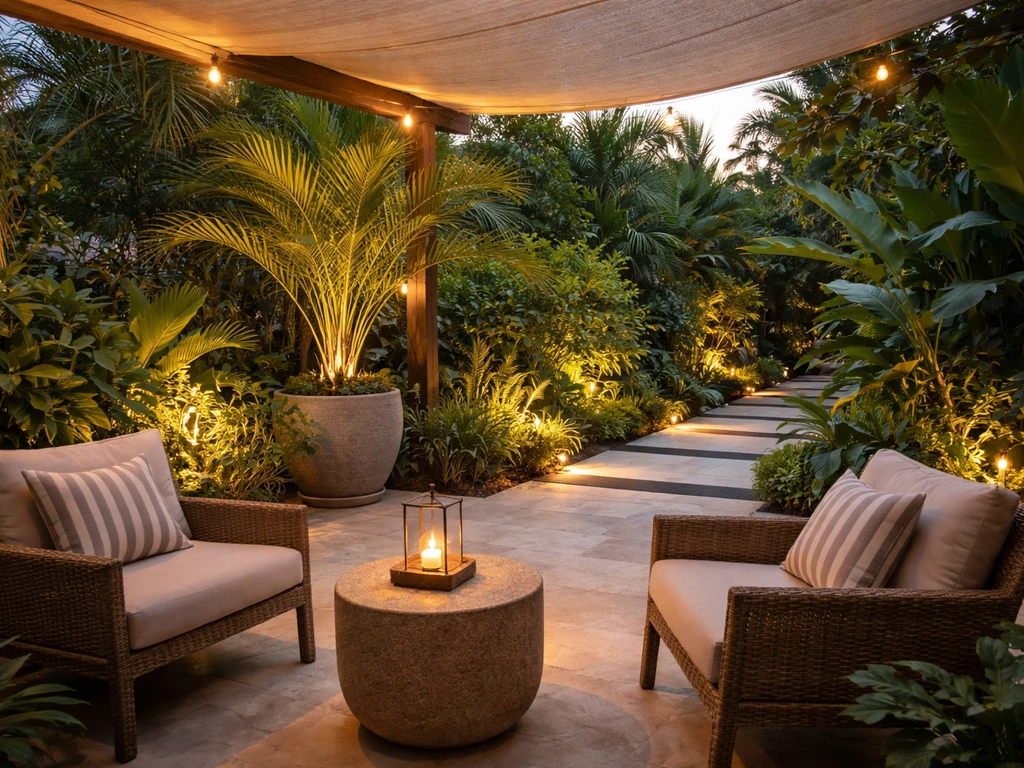
Pick your tropical patio style and constraints
Before you buy a single plant or bag of mulch, get honest about two things: your climate and your budget. These two factors will shape every decision that follows, and ignoring them is the fastest way to spend money on things that don't survive the winter or don't fit your space.
Start with your USDA Hardiness Zone. The 2023 USDA Plant Hardiness Zone Map is the standard tool for this, and it tells you the average annual minimum temperature in your area. If you're in Zone 9b or warmer (think Florida, coastal California, Gulf Coast), you can grow true tropicals like bird of paradise, elephant ears, and hibiscus in the ground year-round. If you're in Zone 7 or colder, you can still pull off a convincing tropical look, but you'll need to treat many plants as annuals or plan to bring them indoors each fall. The good news: container-heavy tropical patios actually work beautifully in cooler zones because the pots come inside when temperatures drop.
Next, pick a style direction. There are a few distinct tropical aesthetics, and mixing them without a plan leads to a cluttered, unfocused space.
| Style | Key Features | Best For |
|---|---|---|
| Balinese/Zen | Dark woods, stone accents, minimal but lush planting, low furniture, water feature | Small patios, privacy-focused spaces |
| Caribbean/Boho | Bright colors, hammocks or swing chairs, rattan furniture, bold prints, layered plants | Casual entertaining spaces, budget-friendly builds |
| Resort/Lagoon | Lounge furniture, pergola or shade structure, tall palms or canopy plants, ambient lighting | Larger patios, moderate-to-high budget builds |
| Jungle/Maximalist | Dense multilayer planting, natural stone, dark tones, dramatic lighting, water feature | Experienced gardeners, warm climates or container-heavy setups |
Also think about how you'll actually use the space. Entertaining crowds? You need open floor area and a clear flow between zones. Quiet relaxation? You can pack in more plants and go denser with the planting. Families with kids or pets? Skip anything with sharp spines or toxic sap (no Sago palms, which are extremely toxic).
Tropical layout ideas: zones, privacy, and focal points
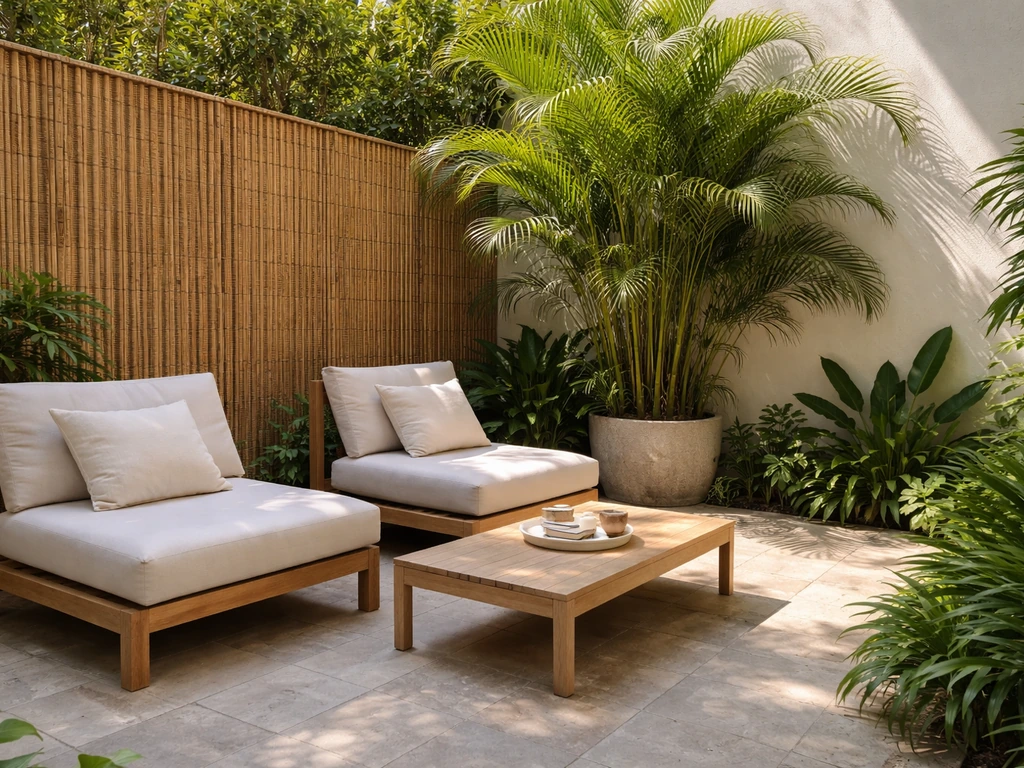
Good tropical patios feel immersive rather than like a deck with a few potted plants dropped on it. The difference is intentional zoning and a strong focal point. Think about how resort patios work: there's a central anchor element, dense planting around the perimeter, and then functional zones within the space. You can do exactly this on a 12x16 suburban patio.
Pick one focal point first. This could be a tall potted palm, a wall-mounted water feature, a fire bowl, or even a large ornamental planter with a dramatic plant like elephant ears or a bird of paradise. Everything else in the layout should radiate outward from that anchor. Without it, the eye has nowhere to land and the space feels random.
From there, divide your patio into two or three loose zones even if the total square footage is modest.
- Dining or lounging zone: keep this open, with furniture placed to face the focal point or a view
- Planting perimeter: line the edges with tiered containers or raised beds to create a sense of enclosure without walls
- Transition zone: if your patio connects to a lawn or walkway, use a row of tall grasses or bamboo in planters to define where the 'tropical world' begins
Privacy is a big part of the tropical feel. Dense plants along the fence line or railing do double duty: they look lush and they block sightlines from neighbors. Bamboo in large containers (use clumping varieties like Fargesia so they don't escape into the yard), tall ornamental grasses, or a simple trellis panel with climbing plants like mandevilla or passion vine can create that enclosed, garden-room feeling within a single season.
Shade and weather control: screens, covers, and enclosures
Shade is non-negotiable for a livable tropical patio. For a true summer setup, focus on shade, airflow, and lighting so the space stays comfortable and inviting during the hottest evenings decorate your patio for summer. Without it, you've just got a hot, exposed slab. There are several options depending on how permanent you want to go and how much weather protection you need.
Shade sails
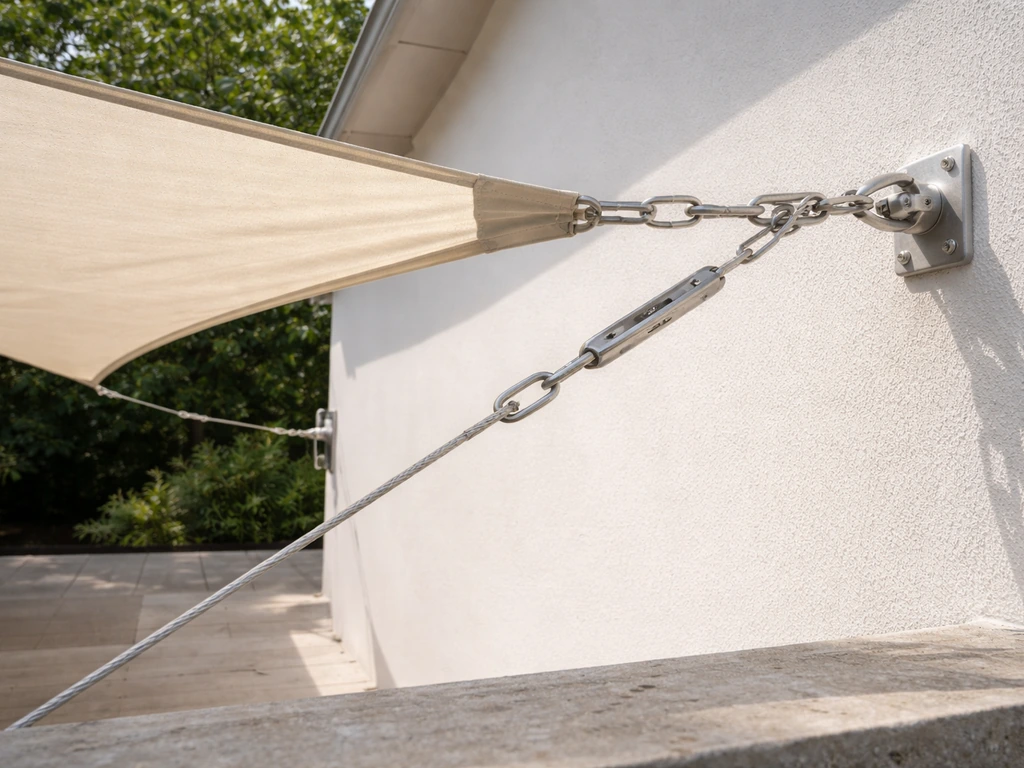
Shade sails are one of the most affordable options (a good 16-foot triangular sail runs $80–$250 depending on fabric quality) and they look genuinely tropical when installed correctly. The key word is 'correctly. ' Each corner needs to be anchored to a wall, post, or fence at a different height so the sail can be tensioned into a taut, properly angled geometry. A flat, saggy sail catches water and fails fast.
More importantly, these sails exert serious force at the anchor points: a 16-foot triangular sail in moderate wind can pull several hundred pounds at each corner. If you're attaching to wood posts, those posts need concrete footings. Don't anchor to a fence you didn't build to handle that load. Use stainless or powder-coated hardware and plan to take the sail down before major storms.
Retractable awnings
Retractable awnings offer on-demand shade without blocking light when you don't need it. Look for Sunbrella-grade fabric (it handles UV and moisture far better than cheaper alternatives), a motorized drive if budget allows, and a built-in wind sensor so it retracts automatically in gusts. On the installation side, the front bar needs at least 7 feet of clearance above the deck or patio surface when fully extended, so measure your mounting height before you order. Most awnings mount to a house wall or fascia, so you need solid structural backing.
Pergolas (standard and louvered)
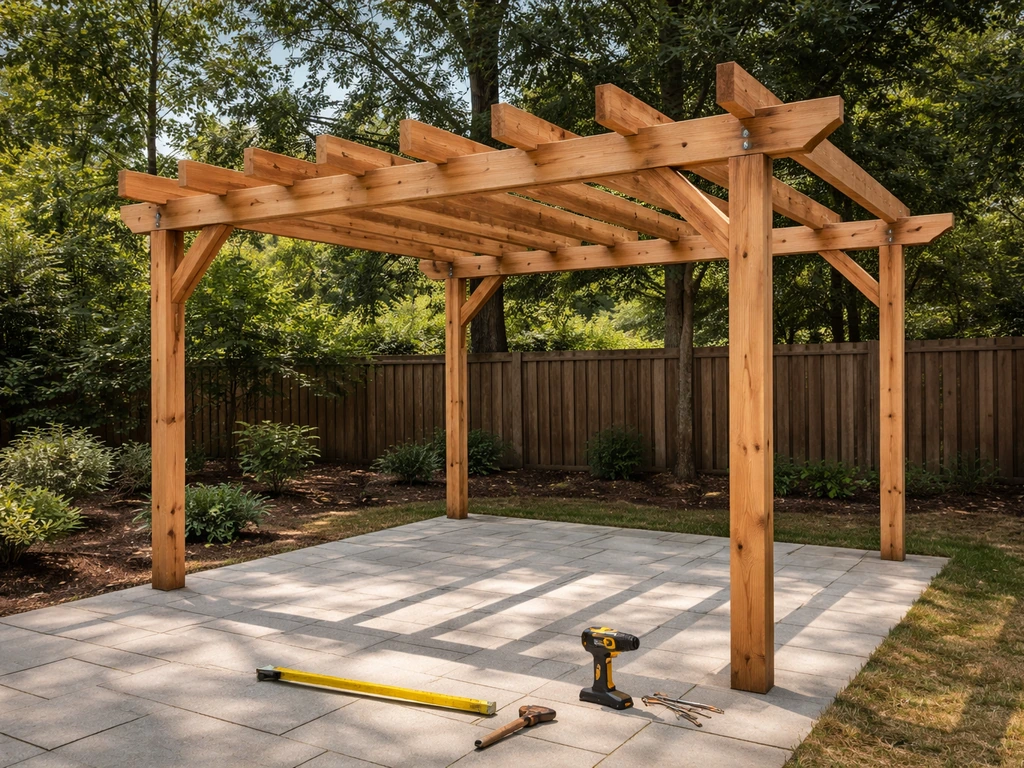
A pergola is the most structural option and the one that really sells the tropical resort look. A standard open-lattice pergola provides partial shade and is a great DIY weekend project with a kit. A louvered pergola goes further: the adjustable roof slats let you control shade angle and, when closed, direct rainwater into built-in gutters so you can stay outside even when it rains. That said, louvered pergolas aren't automatically waterproof. The drainage system only works correctly if the structure is level and properly assembled. Under wind-driven rain, some leakage is still possible regardless of design. If you're going this route, buy from a reputable manufacturer with good installation documentation and check that drainage channels are clear every season.
Screens and enclosures for bug control
If bugs are a problem in your area (especially mosquitoes in humid climates that are perfect for tropical plants), adding a screened enclosure changes the game. A screened patio enclosure can be a full DIY project: aluminum screen framing kits are widely available, and the work involves setting posts, attaching screen panels, and adding a screen door. This is a moderate-to-advanced DIY weekend project for most homeowners. The benefit goes beyond bugs: screens also add a layer of wind protection, which matters for keeping tropical plants from getting battered. If a full enclosure is beyond your scope right now, consider a partial screen wall on the windward side of your patio as a first step.
Tropical materials and finishes for the space
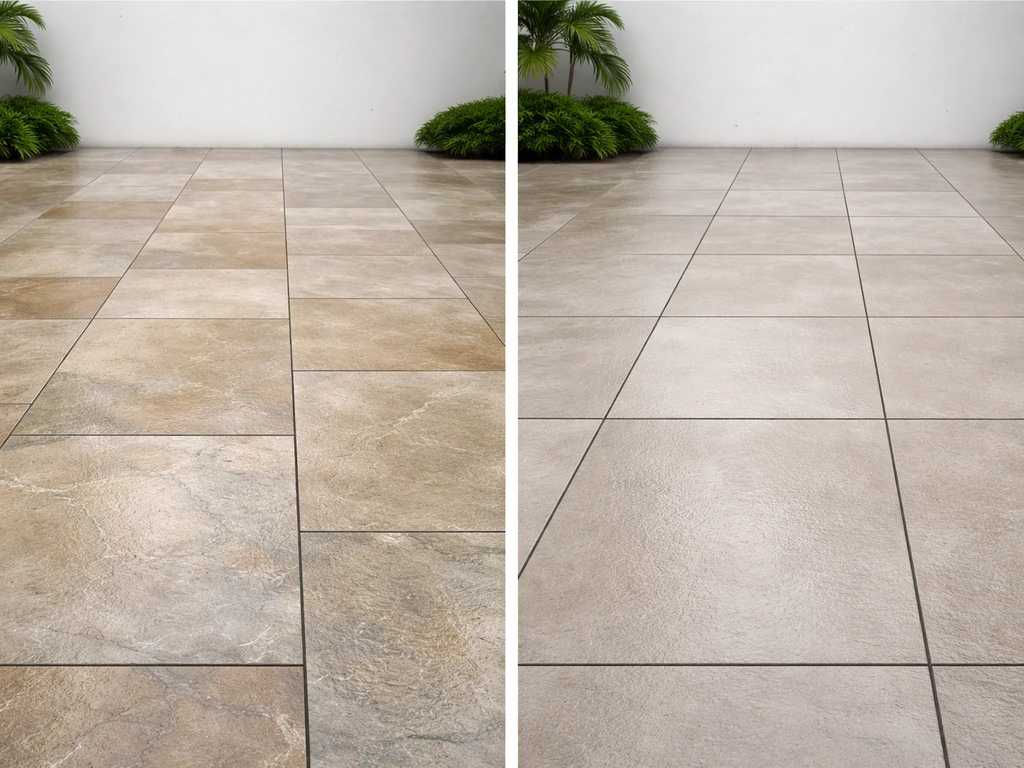
The surfaces underfoot and around you do a lot of the aesthetic heavy lifting. Here's how to think about material choices for a tropical look that also holds up outdoors.
Flooring and pavers
Large-format pavers, natural stone (like travertine or slate), or outdoor porcelain tile all work beautifully for a tropical look. If you're in a freeze-thaw climate, material choice is critical. Outdoor pavers should have a [water absorption rate under 0. ](https://www.
americantiledepot. com/blogs/news/selecting-the-best-outdoor-pavers-for-freeze-thaw-climates)5% and should meet or exceed ASTM C1026 freeze-thaw resistance standards. Travertine and many natural stones have higher absorption rates and can crack over winter in colder zones unless they're properly sealed. Outdoor porcelain tile is an excellent freeze-thaw performer if you choose a tile rated for exterior use.
Also check the DCOF (Dynamic Coefficient of Friction) rating before you buy any outdoor tile: the higher the number, the less slippery when wet. Look for a DCOF of at least 0. 42, and higher if your patio gets wet frequently or you have kids or elderly users. For the subbase under any paver or tile installation, make sure drainage is built in.
Poor drainage is one of the top causes of paver failure in freeze-thaw climates because trapped water expands when it freezes.
Wood, bamboo, and composite decking
If your patio is a deck, teak and ipe are the gold standard for a tropical look and they weather beautifully, but both are expensive and require annual oiling. Composite decking in a dark brown or charcoal tone gives you a similar aesthetic at lower maintenance cost. Bamboo composite decking (made from compressed bamboo fiber) is another option that reads as very tropical and is harder than most wood species. Whatever you use, seal or oil it on schedule or it will fade and crack faster than the manufacturer's specs suggest.
Furniture and accent materials
Rattan and wicker (synthetic resin wicker for durability), teak, and powder-coated aluminum furniture all fit the tropical palette. Pair furniture with outdoor cushions in UV-resistant Sunbrella-grade fabric. For walls and vertical surfaces, consider bamboo fence panels, weathered wood slat screens, or even a living wall panel with shade-tolerant tropical plants. These vertical layers are what make a patio feel like a room rather than just an outdoor floor.
Plants, planters, and hardscaping that create the look
Plants are the heart of a tropical patio, and getting the selection right for your climate determines whether this looks great in June and terrible by October. Here's a practical breakdown.
Plant selection by climate zone
| Plant | Zones for In-Ground | Container (any zone) | Light | Notes |
|---|---|---|---|---|
| Bird of paradise (Strelitzia) | 9–11 | Yes, overwinter indoors | Full sun | Bold focal plant, slow grower |
| Elephant ears (Colocasia) | 8–11 | Yes, overwinter bulbs | Part shade to sun | Fast, dramatic, loves moisture |
| Hibiscus (tropical) | 9–11 | Yes | Full sun | Constant bloomer, needs heat |
| Bromeliads | 10–11 | Yes, excellent container plant | Bright indirect light | Low water needs, striking color |
| Clumping bamboo (Fargesia) | 5–9 | Yes | Part shade to sun | Use in containers to control spread |
| Mandevilla vine | 10–11 | Yes, overwinter indoors | Full sun | Fast climber, great on trellises |
| Caladium | 9–11 | Yes, overwinter tubers | Shade to part shade | Brilliant foliage color |
| Cannas | 7–11 | Yes, overwinter rhizomes | Full sun | Tall, tropical look, easy |
| Plumeria | 10–12 | Yes, overwinter indoors | Full sun | Iconic tropical scent and flowers |
For containers, always use a quality potting mix rather than garden soil, which compacts in pots and drains poorly. Add slow-release fertilizer at planting time and reapply according to the package schedule. Slow-release fertilizer works especially well in containers because there's a limited volume of growing medium and nutrients deplete quickly with regular watering. For bromeliads specifically, use a mix designed for succulents or orchids with excellent drainage, and fertilize at reduced strength since they're light feeders.
Planter strategy for maximum impact
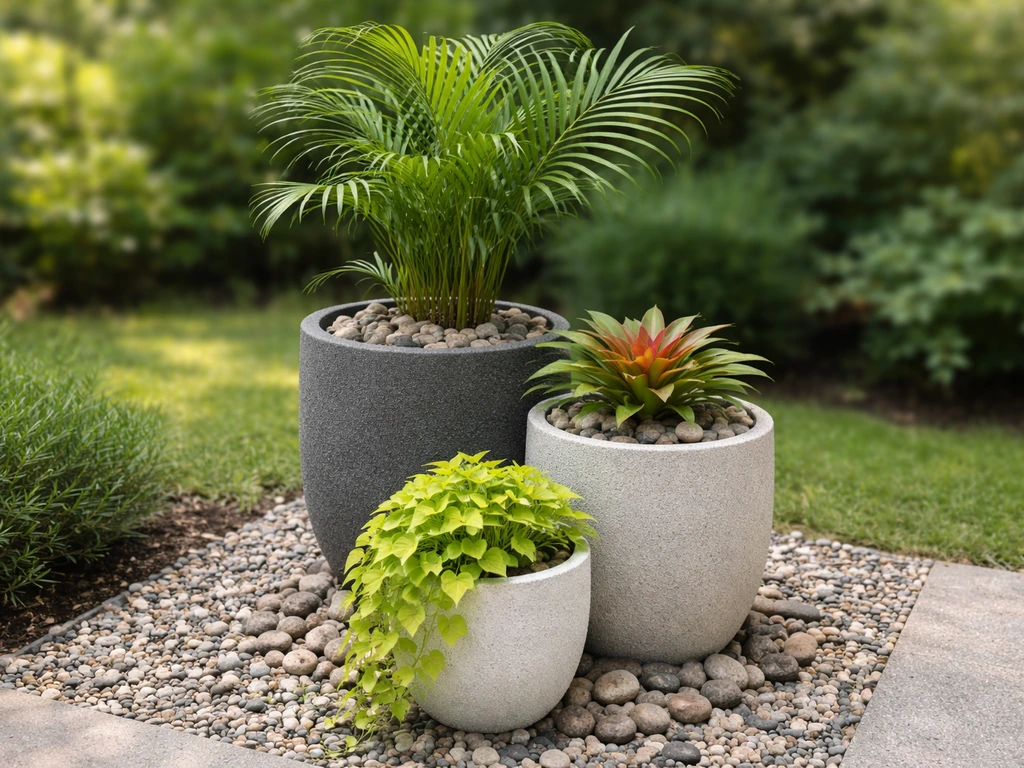
Group planters in odd numbers and at different heights. A cluster of three pots with a tall palm in the largest, a medium bromeliad in the mid-size pot, and a trailing sweet potato vine in the smallest creates a layered effect that looks designed rather than random. Use large planters (18 inches or wider at the rim) for your anchor plants because undersized pots restrict growth, dry out too fast, and look out of scale with the plant. Dark-colored pots (charcoal, matte black, terracotta) tend to read as more tropical and high-end than white or bright colors.
Hardscaping accents
River rock mulch around the base of containers or along a planting bed edge, stepping stones in a dark natural stone, a small recirculating fountain or wall-mount water feature, and a bamboo or cane fence panel behind a plant cluster all add hardscape texture that reinforces the tropical theme. A simple recirculating fountain (plug-in, no plumbing required) costs $50–$200 and the sound of moving water is one of the fastest ways to make a patio feel like a destination.
Lighting, decor, and color palettes that sell the tropical vibe
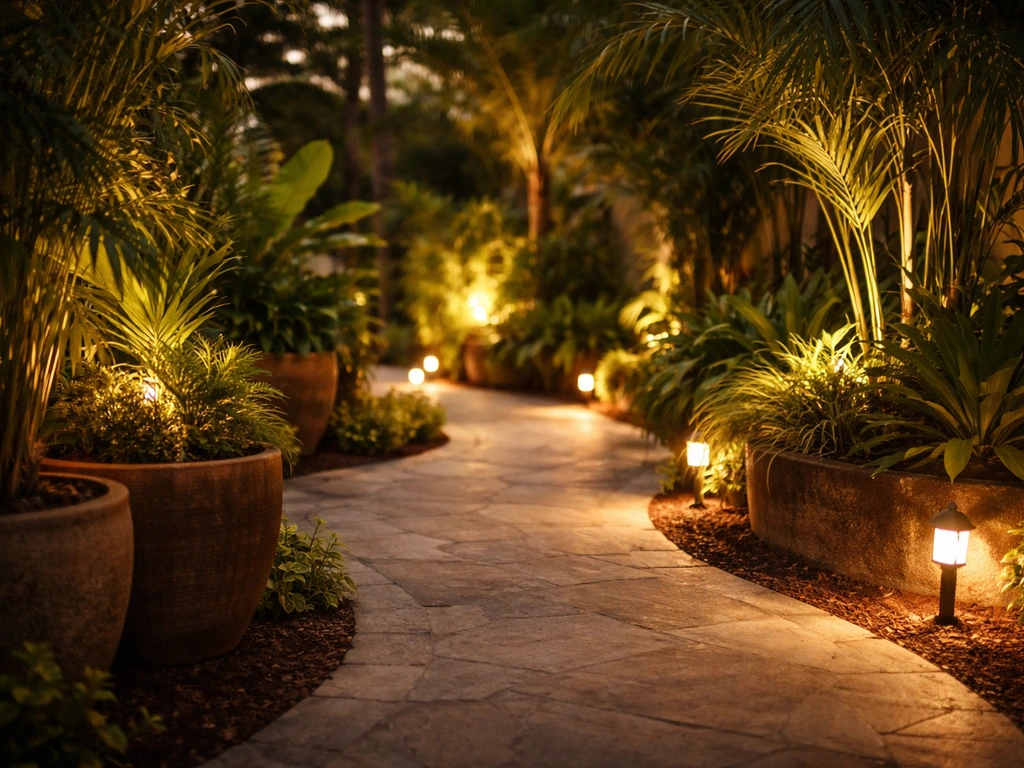
Lighting transforms a tropical patio from a daytime-only space into an all-evening environment. The key is warm color temperature: aim for 2700–3000K throughout the space. This warm amber range makes plants look lush and green, skin tones look warm, and the whole space feels like a well-lit resort rather than a parking lot. Cooler white light (4000K+) kills the tropical mood fast.
Layer your lighting rather than relying on one overhead source. Combine overhead string lights (classic Edison-style bulbs work great here) with low-level path or planter uplighting and maybe a few stake lights tucked into plant groupings. For any fixtures that will be exposed to rain and weather, look for an IP65 rating at minimum. That rating means the fixture is dust-tight and can handle rain. Anything lower is a safety and durability risk outdoors.
For color palette, tropical doesn't have to mean every color at once. In fact, the most cohesive tropical patios use one or two dominant foliage colors (deep greens, burgundy, or blue-green) and then add punchy accent colors through flowers, cushions, and small décor pieces. Here are some palettes that work well:
- Deep green and white with gold accents: sophisticated, works with most architecture styles
- Green, coral, and turquoise: classic Caribbean feel, very versatile
- Dark charcoal, bamboo tan, and emerald green: Balinese/spa aesthetic, very calming
- Bright yellow, lime green, and hot pink: maximalist jungle feel, works best with lots of plant coverage
Accessories that punch above their weight for the tropical look include woven lanterns, ceramic or stone garden stools (which double as side tables), outdoor area rugs in a natural fiber pattern, and a few pieces of driftwood or large stones used as natural sculpture. Avoid plastic décor that isn't UV-stabilized because it fades and cracks within one season. If you want to add more color dimension to your patio beyond what plants provide, thinking about how you layer textiles, planters, and accent walls can take the design further.
DIY step-by-step build plan plus maintenance and seasonal care
Here's a practical phased plan you can work through over a few weekends. If you want the project to come together smoothly, plan the staging steps first so you know what materials and areas you will tackle in each phase stage outdoor patio. Adjust based on your existing patio and how involved you want to go. Phase 1 is achievable in a single weekend for most homeowners. Phases 2 and 3 are for those ready to go deeper.
Phase 1: Foundation weekend (1–2 days, $200–$600)
- Clean and prep the patio surface: power wash pavers or deck, repair any loose boards or cracked grout, and seal porous pavers if needed
- Define your layout: use string or painter's tape on the patio floor to mark your furniture zone, planting perimeter, and any path lines before you move anything in
- Set your focal point: install your largest anchor planter or feature (fountain, tall palm in a 24-inch pot, or decorative stone element) first so everything else can be arranged around it
- Add your shade: install a shade sail (anchor to existing solid posts or fence posts with concrete footings) or hang a patio umbrella rated for your wind conditions
- String your overhead lights: run outdoor-rated string lights from the house wall to a pergola beam, post, or cable wire stretched across the space at 8–10 feet high
Phase 2: Plants and surfaces (1–2 days, $300–$800)
- Select and place your plants: start with the tallest/largest containers along the perimeter, then fill in mid-level plants, then ground-level trailing plants — always work tall to short
- Use quality potting mix in all containers and add slow-release fertilizer at the recommended rate when planting
- Add a privacy layer: install bamboo fence panels or a trellis panel at least 6 feet tall on the side(s) you want to screen, and plant a fast-growing vine at the base
- Lay any new surface accents: river rock mulch, stepping stones, or an outdoor rug in the seating zone
- Add low-level lighting: stake lights near planter clusters, solar path lights if applicable (IP65 rated), and any plug-in water feature
Phase 3: Structural upgrades (multiple weekends, $1,000–$5,000+)
- Build or install a pergola: kit pergolas are the most DIY-accessible option; louvered systems require careful leveling for the drainage to function correctly
- Add a screened enclosure: set aluminum framing posts in the ground or attach to the existing structure, attach screen panels in sections, and hang a screen door
- Upgrade flooring if needed: install new pavers or outdoor tile with a properly drained subbase; in freeze-thaw climates verify water absorption and freeze-thaw ratings before purchasing
- Install hardwired outdoor lighting: consult a licensed electrician for any hardwired fixture work if you're not experienced with outdoor electrical
Ongoing maintenance and seasonal care
Tropical patios need consistent attention to stay looking good. With that in mind, you'll want to plan your wedding patio decor around lighting, shade, and plant choices so everything looks great during the ceremony and reception decorate a patio for a wedding. Here's the basic rhythm to plan around:
- Weekly during growing season: water containers (tropicals in pots can need water daily in hot weather), deadhead flowers, and check for pests under large leaves
- Monthly: fertilize containers with slow-release or liquid fertilizer on schedule, clean water features to prevent algae, and inspect shade structure hardware for rust or loosening
- Before first frost (cold climates): bring tender tropicals indoors or to a garage, dig and store elephant ear tubers and canna rhizomes in a cool dry spot, and drain and store any water features
- Spring startup: check paver or tile surfaces for frost heave or cracking, re-seal if needed, reinstall shade sails, and reapply slow-release fertilizer when you return containers outdoors
- Annual: clean and re-oil or re-seal wood furniture and decking, inspect screen panels for tears, clean louvered pergola drainage channels, and check string light connections for weathering damage
The biggest mistake people make with tropical patios is treating them as a set-it-and-forget-it project. The plants need seasonal management, the structures need inspection, and the surfaces need protection. Build that maintenance calendar into your plan from the start and the space will look better every year rather than worse.
FAQ
How do I plan how many tropical plants to buy for my patio size?
Use your zoning first, then map plant mass to space. A practical rule is to place anchor plants (palms, large elephant ears, big bromeliads) at 1 per 4 to 6 square feet of patio perimeter, then fill between anchors with mid-size plants and only add trailing plants last. If you cannot fit the full mature size without blocking paths, downsize the species or commit to container-only growth with periodic pruning.
What’s the best way to handle tropical plants if I get frost?
Design for “lift and shelter” from day one. Keep tender plants in movable containers with saucers, and choose a storage location that stays above freezing (garage with ventilation, unheated sunroom, or insulated shed). For borderline plants, use a frost cloth plus wind protection at night, but plan on pot movement for true reliability.
Can I make a tropical patio using only shade-tolerant plants?
Yes, but you need to match plants to the exact light hours under your chosen shade structure. If your pergola or shade sail blocks most direct sun, focus on plants that tolerate lower light (certain ferns, calatheas, and some bromeliads) and reduce high-sun choices like bird of paradise. Expect slower growth, so buy slightly larger specimens to avoid a “thin” look during the first season.
How far should planters be from the house wall or screening?
Leave airflow space and room for container movement. A common target is at least 6 to 12 inches between pot edges and walls or screen panels, and enough clearance to access water lines or drains. Tight spacing traps humidity, which can increase leaf spot and fungus in warm, humid conditions.
Is it better to use mulch, river rock, or groundcover in tropical beds under containers?
River rock gives a clean, low-mess look and improves visibility of drainage, but it can retain heat and dry out faster at the surface. Mulch can look more lush and insulates soil, but it must be kept away from container bases to prevent rot. If you use rock, consider adding a thin landscape fabric layer over native ground only if drainage is already adequate, otherwise you risk pooling water.
What’s the easiest way to make the patio look tropical if I’m not ready to add a pergola or shade sail?
Start with shade-first zones using temporary, safe solutions. Large umbrellas rated for outdoor use, plus a tall screen or trellis panel that casts dappled shadow, can create the “room” effect quickly. Pair that with warm lighting (2700 to 3000K) and a clear focal anchor plant so the space reads tropical even before the full structure is built.
How do I prevent screened patios from overheating in summer?
Use screens to block wind and bugs, not to trap heat. Choose airflow-friendly screen designs (partial screen walls rather than full wrapping if you already have good sun control), and place heat-exposed cooking or fire elements so air can circulate around them. Also keep gutters and drainage channels clear on any overhead structure to avoid water runoff that can heat up surfaces and create slippery spots.
What outdoor furniture layout works best for a small tropical patio?
Keep circulation clear by designing for one main path. For a compact patio, use a two-seat set or sectional oriented toward the focal point, then position one accent chair or stool to “frame” the view. Avoid placing planters directly on walking lanes, use taller plants along edges and lower trailing plants near the furniture to maintain sightlines.
How can I make lighting look tropical without overdoing it?
Stick to warm color temperature and reduce glare. Place string lights higher than eye level when possible, then add low uplighting aimed at foliage rather than lighting the ground or walls directly. Use dimmers or smart timers for ambiance, and keep the total number of fixtures enough to reveal plants, not enough to brighten the whole patio like a parking lot.
What’s the safest way to anchor a shade sail or heavy structures?
Treat corner loads seriously and anchor into structural elements or posts with real footings. If you do not have engineered confirmation for your fence, do not attach the sail to it, use dedicated posts instead. When in doubt, keep the sail geometry simpler (fewer attachments, shorter spans) and plan for seasonal removal before hurricane or major storm season.
How do I avoid paver cracking and uneven settling in freeze-thaw climates?
Focus on the subbase and drainage more than the top material. Use a properly compacted base course, ensure the patio slopes away from structures, and avoid “patchy” repairs that leave soft spots. If water collects even briefly after rain, correct drainage before you add plants and furniture, because freeze-thaw movement will keep restarting the problem.
What’s a simple maintenance schedule that keeps tropical patios looking fresh?
Do three seasonal check-ins. Spring: refresh fertilizer, inspect shade hardware and screen frames, and clean lamp lenses. Summer: prune for shape, check container drainage after heavy rains, and top up mulch or rock if it sinks. Fall: reduce fertilizing, move tender containers toward indoor shelter, and verify that any water feature pump and fountain lines are winterized or removed.
Next Articles
How to Decorate a Long Narrow Patio: Layout Tips
Practical DIY layout and decor tips to widen a long narrow patio using zoning, furniture spacing, lighting, greenery, an
How to Decorate a Rectangular Patio Step by Step
Step-by-step plan to decorate a rectangular patio with smart layout, zones, furniture fit, lighting, plants, and seasona
How to Decorate a Patio Wall: DIY Ideas and Mounting Tips
DIY patio wall decor for brick, stucco, wood, concrete, or siding with weatherproof mounting tips and maintenance.